
- A senior Russian senator warned that the European Union will “reap what it has sown” in Ukraine, criticising the bloc’s military and financial support to Kyiv.
- He said the EU will ultimately have to pay for Ukraine’s post-war reconstruction, arguing that European governments bear responsibility for the conflict’s consequences.
- The remarks came in response to Western plans to use profits or assets frozen from Russia to fund Ukraine’s recovery and rebuilding efforts.
- Russian officials have repeatedly condemned such moves as illegal, warning of legal disputes and possible retaliatory measures if Russian state assets are used.
- The comments highlight ongoing tensions between Moscow and the EU over accountability for war damage, sanctions, and the financial burden of Ukraine’s reconstruction.
Moscow (Washington Insider Megazines) - A senior Russian lawmaker has said the European Union will “reap what it has sown” in Ukraine and will ultimately have to pay for the country’s post-war reconstruction, in comments that underline Moscow’s response to Western moves to use Russian assets for Kyiv’s recovery.
The remarks, carried by Russian state-linked media and international news outlets, came after EU institutions advanced plans to use profits from frozen Russian sovereign assets to finance Ukraine. The senator accused EU member states of fuelling the conflict through military and financial support to Kyiv and suggested they would bear responsibility for both the war’s consequences and the cost of rebuilding.
His comments coincided with continued Russian strikes on Ukrainian infrastructure and ongoing debate in Europe over long-term funding for Ukraine.
The statement adds to a series of warnings from Russian officials about legal and political repercussions if Western governments proceed with using Russian state assets for Ukraine’s reconstruction. EU officials, for their part, say Moscow is responsible for the damage caused by its invasion and argue that Russia should contribute to the future rebuilding of Ukraine under international law.
Senator’s warning over EU responsibility
 Credit: Reuters
The Russian senator said in an interview that the European Union would have to “reap what it has sown” in Ukraine, arguing that EU governments had chosen to support Kyiv militarily and financially and would therefore face the consequences of that decision.
He linked this directly to the question of reconstruction, stating that the EU would end up paying for the rebuilding of Ukrainian territory damaged during the conflict, which Russia launched in February 2022 in what it calls a “special military operation”.
According to the reports, the senator criticised EU states for supplying weapons to Ukraine and backing sanctions against Moscow, claiming that such policies had prolonged the conflict and increased the scale of destruction. He suggested that European taxpayers would ultimately shoulder the financial cost of reconstruction, while also warning that attempts to use Russian state assets would bring their own legal and economic risks for the bloc.bbc
The comments reflect a broader line consistently voiced by Russian officials, who argue that Western countries bear collective responsibility for the war because of their support for Kyiv. EU and NATO governments reject this, maintaining that Russia is solely responsible for the invasion and the resulting damage to civilian and critical infrastructure across Ukraine.bbc
Context of EU measures on Russian assets
The senator’s remarks come as the European Union advances legal and political work on using income generated by frozen Russian sovereign assets to support Ukraine. After Russia’s full-scale invasion, G7 countries and the EU froze an estimated hundreds of billions of euros in Russian central bank reserves held in Western jurisdictions, primarily within the EU’s financial system.bbc
EU leaders have publicly discussed directing the profits, or “windfall” gains, from these immobilised assets towards Ukraine’s reconstruction and defence, arguing that Russia should contribute financially to remedying the damage caused by its military actions.
European officials have stressed that any move involving the underlying principal of the assets would need to respect international and European law, and several member states have underlined the need to avoid undermining financial stability or investor confidence.bbc
In response, senior Russian figures have repeatedly called such proposals “theft” and warned of countermeasures, including legal challenges and possible reciprocal steps against Western property or investments in Russia. Moscow has said that any transfer of Russian state assets or their proceeds to Ukraine would violate sovereign immunity and could set a precedent affecting the global financial system.bbc
Ongoing destruction and reconstruction needs in Ukraine
 Credit: Reuters/Lisi Niesner)
The question of who will pay for rebuilding Ukraine has become more pressing as the war continues and damage accumulates. Ukrainian officials, together with international financial institutions and Western partners, have periodically updated estimates of the cost of reconstruction and recovery, with assessments reaching into the hundreds of billions of dollars for housing, energy facilities, transport networks and industrial infrastructure.bbc
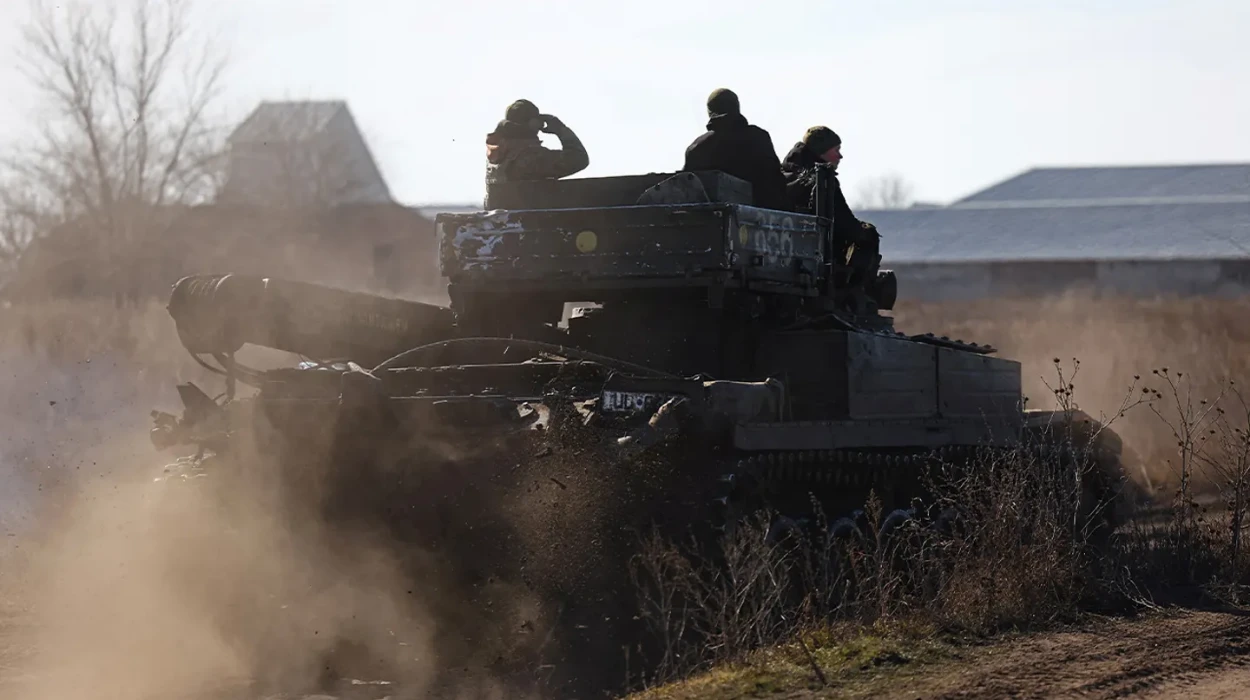
Russia has continued to target Ukrainian energy, transport and industrial sites with missile and drone strikes, causing repeated damage to power grids, fuel infrastructure and urban areas. Ukrainian authorities and international observers have documented extensive destruction of residential buildings, schools, hospitals and roads since the start of the full-scale invasion.bbc
Kyiv has consistently argued that Russia should bear primary responsibility for financing reconstruction and has backed international initiatives aimed at creating mechanisms to channel frozen Russian assets or their proceeds to Ukraine. Western governments have echoed that position in broad terms, while stressing that any measures must comply with legal obligations and respect the integrity of their financial systems.bbc
Russian criticism of Western military and financial support
In his comments, the Russian senator directly linked European military and financial assistance to Ukraine with the scale of destruction in the country, claiming that such support had encouraged Kyiv to continue fighting rather than negotiate. He argued that the provision of weapons, training and funding by EU and NATO states made them “co-responsible” for damage to Ukrainian territory and infrastructure.
EU and NATO members, including key states such as Germany, France and Poland, have collectively provided Ukraine with extensive military aid, ranging from artillery systems and air defence to armoured vehicles and ammunition, alongside macro-financial support and humanitarian assistance. Their stated objective has been to enable Ukraine to defend itself against Russian aggression and to maintain basic state functions amid the conflict.
Western governments have rejected Russian assertions that their support prolongs the war, arguing instead that Moscow could end the conflict by withdrawing its forces from Ukrainian territory. They have also stated that any future settlement must respect Ukraine’s sovereignty and territorial integrity, positions which Russia disputes in relation to territories it claims to have annexed.
Legal and diplomatic disputes over accountability
The senator’s warning that the EU will “reap what it has sown” touches on a wider legal and diplomatic debate over accountability for damage in Ukraine and compensation mechanisms. Kyiv and several Western capitals have called for establishing a special register of damage and a compensation mechanism that would record losses suffered by Ukraine and its citizens, with a view to future reparations claims against Russia.
Some European officials have argued that Russia’s invasion and subsequent attacks on civilian infrastructure constitute violations of international law that justify using Russian sovereign assets for compensation or reconstruction.
However, legal experts and some governments have cautioned that directly confiscating state assets could conflict with principles of sovereign immunity and expose Western states to counterclaims or challenges in international courts.bbc
Russia has responded by stating that any attempt to seize its sovereign assets or redirect them to Ukraine would be considered unlawful and would prompt retaliation. Russian officials have pointed to the potential for reciprocal measures against foreign property and investments in Russia and suggested that such moves could undermine trust in Western jurisdictions as safe places to hold reserves.bbc
Broader impact on EU–Russia relations
The senator’s comments add to the already strained relations between Russia and the European Union, which have deteriorated sharply since the start of the full-scale invasion. The EU has adopted multiple packages of sanctions targeting Russian individuals, companies, banks and sectors including energy and defence, while also restricting the export of dual-use and high-technology goods to Russia.bbc
In response, Russia has imposed its own countermeasures, including restrictions on certain exports, currency controls and measures affecting Western companies operating in or exiting the Russian market. Trade flows between the EU and Russia have fallen significantly compared with pre-war levels, with energy relations particularly affected as the bloc has sought to reduce its dependence on Russian oil and gas.bbc
Diplomatic engagement between Brussels and Moscow has largely been limited to technical contacts and discussions on specific issues, such as prisoner exchanges, humanitarian arrangements and grain exports, often mediated through third countries or international organisations. Both sides continue to exchange public accusations over responsibility for the conflict and its global economic consequences.
European debates over long-term support to Kyiv
Within the European Union, the question of financing long-term support to Ukraine, including reconstruction, has prompted political debate among member states. Some governments have advocated multi-year commitments to military and financial assistance, seeing Ukraine’s stability as crucial for European security, while others have raised concerns about budgetary pressures, domestic economic conditions and public opinion.
EU institutions have worked on packages combining grants, loans and guarantees to sustain Ukraine’s public finances and support critical infrastructure repairs. Proposals to use the proceeds of frozen Russian assets have been presented as a way to supplement national contributions, though implementation details and legal safeguards remain under discussion among member states.
The Russian senator’s assertion that the EU will eventually bear the financial burden of Ukraine’s reconstruction highlights the extent to which Moscow and Brussels view responsibility and accountability in opposing terms. While Russian officials frame Western support as contributing to the conflict and its costs, EU leaders maintain that they are responding to an act of aggression and that Russia is ultimately responsible for the damage in Ukraine