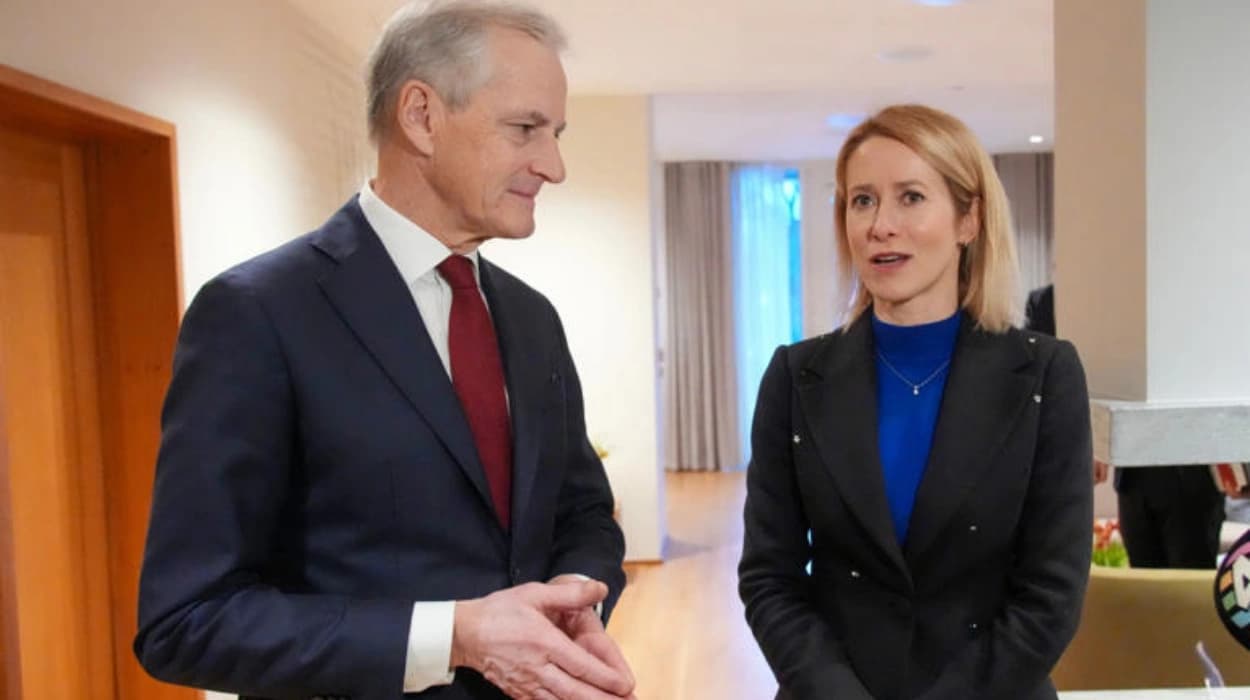
- EU High Representative Kaja Kallas stated on January 31, 2026, that a Europe-wide army could prove "extremely dangerous" due to command complexities and resource duplication.
- Kallas advocated strengthening existing PESCO framework with 47 projects across 26 member states, favouring coordinated national forces over unified military structure.
- Comments came amid proposals for integrated EU defence, with €8 billion European Defence Fund allocated for 2026-2027 joint capabilities.
- French and German foreign ministers supported enhanced cooperation without full integration; NATO welcomed EU initiatives complementing the alliance.
- Historical precedents include failed 1954 European Defence Community treaty; current debates reference Ukraine experience and strategic autonomy goals.
Brussels (Washington Insider Magazine) February 02, 2026
–
EU High Representative for Foreign Affairs and Security Policy Kaja Kallas
stated that creating a Europe-wide army could prove extremely dangerous. She
expressed these views during a press conference in Brussels on January 31,
2026, amid discussions on enhancing European defence capabilities. Kallas
emphasised the need for coordinated national forces rather than a unified
military structure.
Kallas, Estonia's former prime minister, delivered the remarks ahead of an EU foreign ministers' meeting focused on security policy reforms. Her comments followed proposals from several member states advocating integrated armed forces to counter global threats. The statement underscores ongoing debates within the EU on defence integration post-Russia's actions in Ukraine.
Kaja Kallas Details Risks of Unified EU Military Force
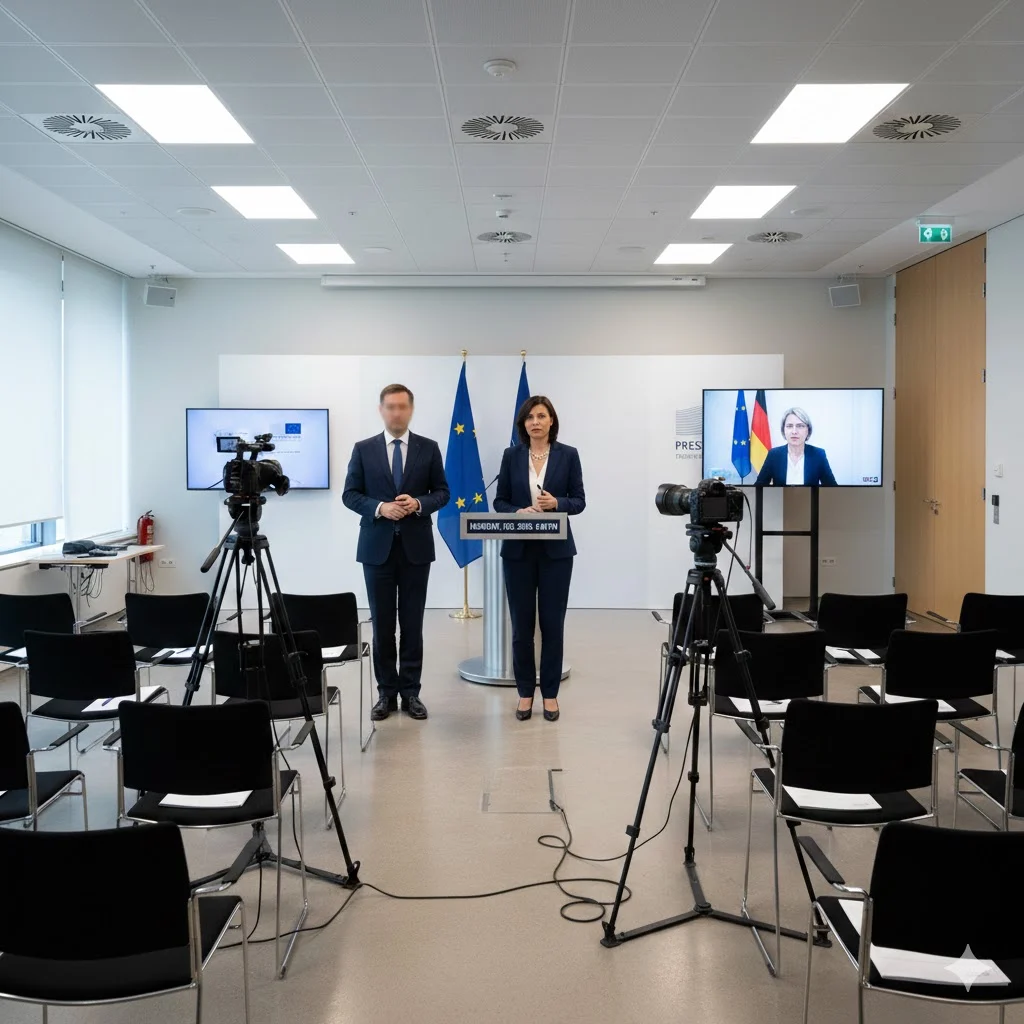
Kallas addressed reporters at the European External Action Service headquarters, stating a Europe-wide army carries significant risks to operational effectiveness and political cohesion. She highlighted potential command chain complexities and resource duplication as primary concerns.
"A single army sounds appealing but proves extremely dangerous in practice,"
Kallas remarked.
The EU foreign policy chief advocated strengthening the existing Permanent Structured Cooperation (PESCO) framework instead. PESCO currently links 47 projects across 26 member states, focusing on capabilities like cyber defence and joint procurement. Kallas noted national armies retain flexibility for tailored responses under NATO alignments.
French Foreign Minister Jean-Noël Barrot, present at the briefing, supported enhanced cooperation without full integration. Germany’s Foreign Minister Annalena Baerbock echoed cautions on centralised command structures during virtual consultations.
Context of Recent Defence Integration Discussions
Proposals for a European army resurfaced in late 2025 amid fiscal pressures on national budgets. European Defence Fund allocated €8 billion for 2026-2027, prioritising joint development over standalone forces. European Commission President Ursula von der Leyen commissioned a white paper on defence autonomy in December 2025.
Parliamentary debates in Strasbourg featured 312 members endorsing "strategic enabler" status for EU forces last week. Critics within the assembly warned of sovereignty erosion. Kallas referenced historical precedents like the failed European Defence Community treaty of 1954, rejected by France.
NATO Secretary General Mark Rutte welcomed EU initiatives provided they complement the alliance. US Secretary of State Antony Blinken affirmed transatlantic interoperability during Munich Security Conference preparations.
Statements from EU Leaders on Army Proposal Concerns
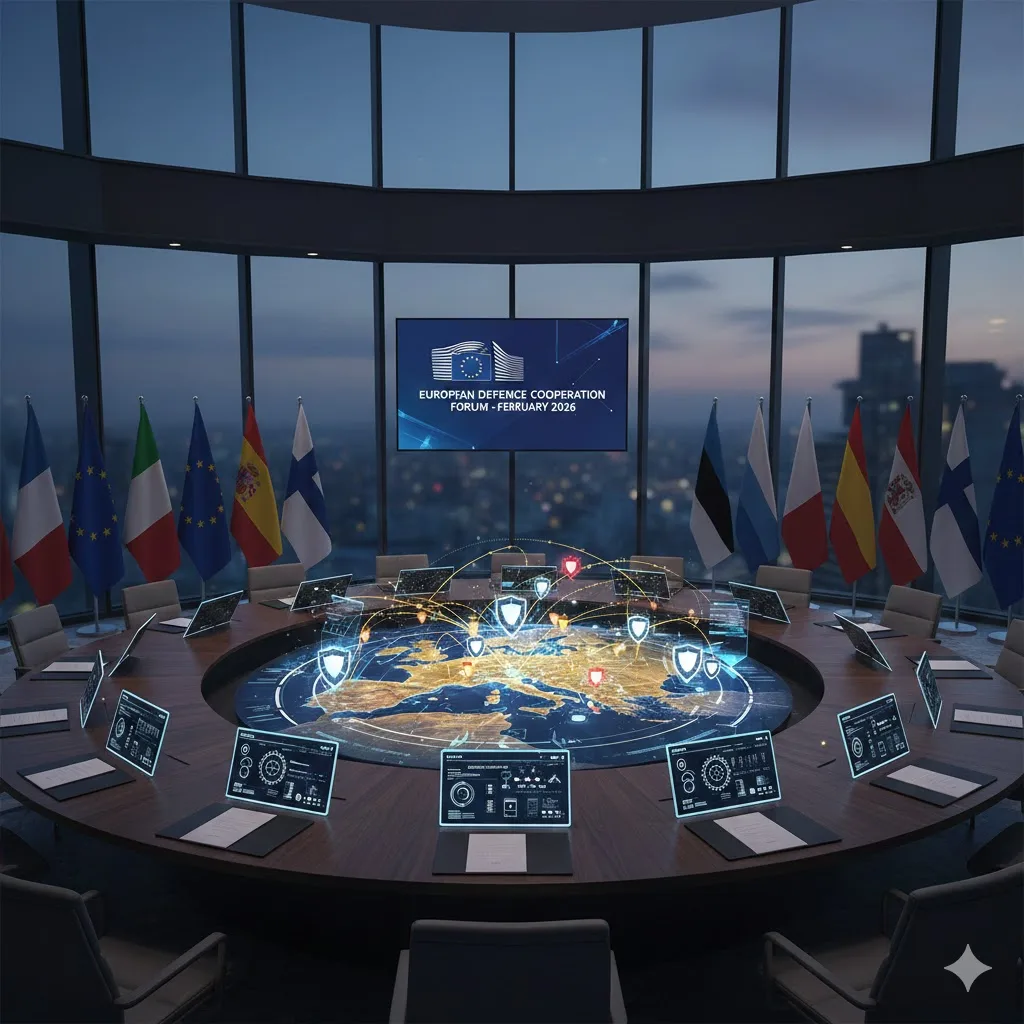
European Council President Antonio Costa stressed interoperability over unity in a January 30 address.
"Coordinated defence multiplies strengths without dangerous overlaps,"
Costa stated. Italian Prime Minister Giorgia Meloni advocated bilateral pacts within PESCO during Rome summit.
Polish Foreign Minister Radosław Sikorski highlighted logistical nightmares of merged headquarters. Baltic states, led by Kallas's native Estonia, prioritise rapid response units over continental armies. Spanish Defence Minister Margarita Robles proposed €5 billion common procurement fund as alternative.
Von der Leyen’s office released a memo outlining hybrid threats necessitating agile national contingents. Finnish President Alexander Stubb convened Nordic defence ministers, aligning with Kallas’s position.
|
Leader |
Position |
Key Statement |
Date |
|
Kaja Kallas (EU) |
Opposed |
"Extremely dangerous prospect" |
Jan 31, 2026 |
|
Jean-Noël Barrot (France) |
Cautious |
Enhance PESCO projects |
Jan 31, 2026 |
|
Annalena Baerbock (Germany) |
Cautious |
Avoid command complexities |
Jan 30, 2026 |
|
Antonio Costa (EU Council) |
Supports coordination |
Multiplies strengths |
Jan 30, 2026 |
|
Mark Rutte (NATO) |
Welcoming |
Complement alliance |
Feb 1, 2026 |
Current EU Defence Cooperation Frameworks Explained
PESCO launched in 2017 coordinates 60 battlegroups across participating states. European Intervention Initiative, led by France, trains 5,000 troops annually for crisis response. Common Security and Defence Policy missions deploy 3,200 personnel in 10 theatres.
European Defence Agency oversees €2.5 billion in research grants yearly. Battle Group readiness stands at 80 per cent following 2025 exercises. Strategic Compass document sets 2026 goals for 100,000-strong rapid deployment capacity.
Finland and Sweden’s NATO accessions bolster northern flank without army merger. Cyprus-Turkey disputes preclude unanimous decisions on unified forces.
Historical Attempts at European Military Unity
1952 European Defence Community treaty proposed supranational army, defeated in French National Assembly by 319-264 vote. Western European Union operated 1970s-2011 as defence arm, disbanded post-Lisbon Treaty. Eurocorps, multinational headquarters, fields 60,000 troops under French-German command.
Balkan interventions 1995-1999 exposed coordination gaps, prompting Helsinki Headline Goal for 60,000 troops by 2003. Libya 2011 operation highlighted over-reliance on US assets. Recent Ukraine support channels €50 billion via European Peace Facility.
National Positions on Proposed Europe-Wide Army
France pushes strategic autonomy via €100 billion defence plan to 2030. Germany’s Zeitenwende policy invests €400 billion over decade in Bundeswehr. Eastern members prioritise Article 5 guarantees over EU structures.
Hungary’s Viktor Orbán vetoed rapid reaction force expansion citing fiscal burdens. Austria maintains neutrality, limiting PESCO to non-combat roles. Ireland commits civilian missions exclusively.
Defence ministers meet February 6 in Ghent to review Kallas’s input. Budgetary framework negotiations target €150 billion multiannual financial framework slice.
International Reactions to Kallas's Remarks
United Kingdom Foreign Secretary David Lammy welcomed clarity, pledging NATO-EU synergies. Turkish Foreign Minister Hakan Fidan noted implications for Cyprus talks. Norwegian Prime Minister Jonas Gahr Støre aligned Oslo with Baltic cautions.
Chinese Foreign Ministry spokesperson urged multilateralism without blocs. Russian envoy to EU claimed statements reveal "divisions." Israeli Defence Minister Israel Katz expressed support for strong Europe.
Technical and Logistical Challenges Highlighted
Unified army requires harmonised equipment standards across 1,200 platforms. Language barriers affect 23 official tongues in operations. Pension liabilities for 1.3 million active personnel complicate mergers.
Conscription models vary: mandatory in Greece, voluntary in Ireland. Medical standards differ, impacting interoperability. Cyber commands operate independently per nation.
European Defence Agency reports 85 per cent equipment commonality goal unmet at 45 per cent.
Parliamentary and Public Opinion Surveys
Eurobarometer poll January 2026 shows 52 per cent favour stronger EU defence, 41 per cent prefer national forces. European Parliament’s Foreign Affairs Committee votes 34-22 endorsing PESCO expansion February 4.
Youth demographics under 30 support integration at 62 per cent. Rural areas prefer bilateral NATO pledges.
Upcoming summits and policy timelines
EU summit March 20-21 addresses white paper recommendations. NATO Madrid summit legacy tasks conclude mid-year. Von der Leyen state of union September outlines 2028 defence roadmap.
Defence ministers’ informal gathering February 13 refines positions. Kallas testifies before Parliament’s security committee February 10.