
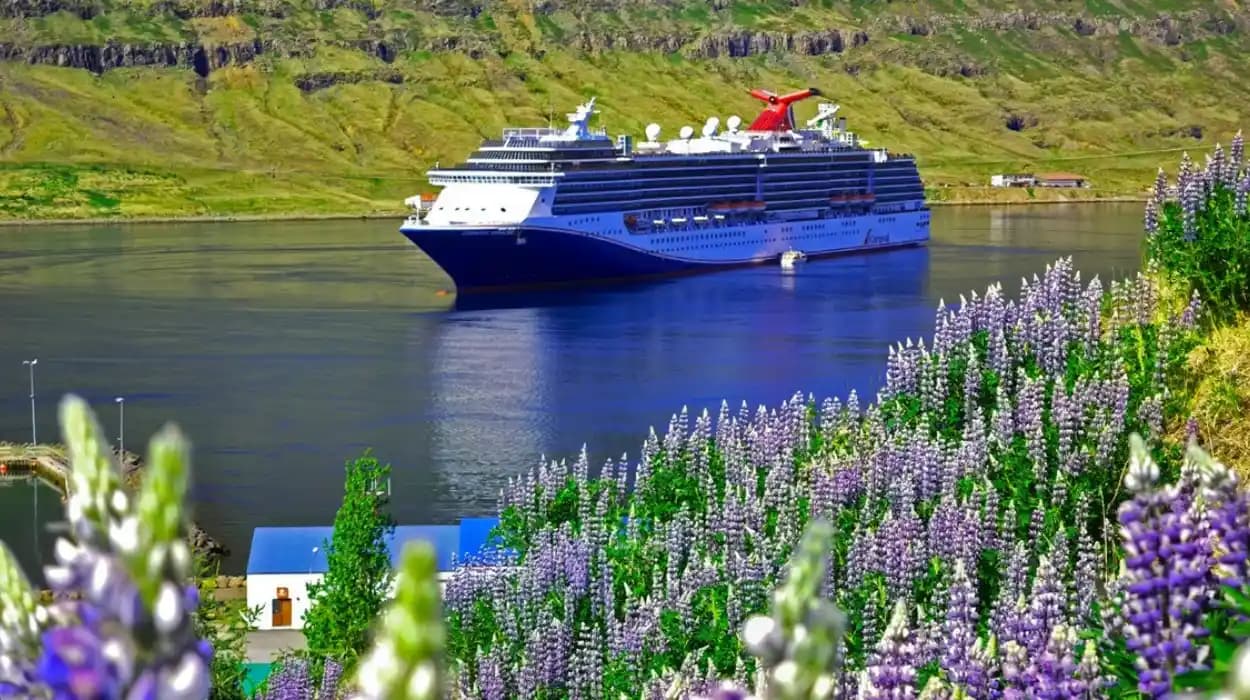
- Two Ships Deployed: Carnival Cruise Line will base two of its largest ships in Europe for the 2027 season, targeting Mediterranean and Northern European itineraries from major ports like Barcelona, Rome and Southampton.
- Expanded Itineraries: New and extended voyages, including 7-14 night cruises to Spain, Italy, Greece, France and Norwegian fjords, cater to families and first-time cruisers amid rising demand.
- Strategic Fleet Move: Part of Carnival Corporation's optimisation to boost international presence while prioritising North America, leveraging post-pandemic recovery in European source markets.
- Passenger Benefits: Offers familiar onboard features (water parks, dining, entertainment) for UK/European residents and fly-cruise guests, with bookings expected 18-24 months ahead.
- Market Context: Aligns with industry trends, competing with Royal Caribbean and Norwegian lines in a key region generating strong demand from UK, German and long-haul travellers.
Brussels (Washington Insider Magazine) February 7, 2026 – Carnival Cruise Line has announced plans to deploy two of its largest cruise ships to Europe in 2027, expanding its presence in key Mediterranean and Northern European markets. The programme will include new and extended itineraries from major European ports, positioning the company to capture growing demand for cruise holidays in the region. The deployment forms part of Carnival Corporation’s wider strategy to optimise fleet allocation and expand internationally while maintaining a strong presence in North America.
With demand for cruising continuing to recover and grow after the pandemic, Carnival’s move signals confidence in the European source market and in Europe as a destination. The company has outlined plans for sailings from several popular ports, offering a mix of shorter and longer voyages aimed at families, first-time cruisers and loyal guests.
What Has Carnival Announced for Its 2027 European Deployment?
Carnival Cruise Line has confirmed that it will deploy two ships to Europe for the 2027 season, operating a series of sailings from multiple ports in the Mediterranean and Northern Europe. The deployment is expected to include week-long and longer itineraries, calling at high-demand destinations such as Spain, Italy, Greece, France and the Norwegian fjords, depending on the final schedules announced closer to the season.
The decision follows previous years in which Carnival has periodically based ships in Europe on a seasonal basis. By 2027, the operator plans to further strengthen its position in the region, aligning capacity with growing demand from both European residents and long-haul international travellers choosing to embark in European ports. The move also reflects a wider trend across the cruise sector, with major lines adjusting deployments to balance North American and international demand.
Which Ships Will Operate in Europe and From Where?
Carnival has indicated that two of its large, family-focused ships will operate the European programme in 2027, although the exact vessels and final deployment details are typically confirmed and opened for sale closer to sailing dates. In recent years, the company has used similar classes of ships for European deployments, usually offering a broad range of onboard facilities such as water parks, multiple dining venues and family accommodation.
The ships are expected to homeport in a selection of major European cities. These are likely to include at least one large Mediterranean port – such as Barcelona, Civitavecchia (for Rome) or Piraeus (for Athens) – and one or more Northern European gateways, such as Southampton or ports in Germany or the Netherlands, to support itineraries to the British Isles, Baltic or Norwegian fjords. These ports provide strong air links, established cruise infrastructure and easy access for both local and fly-cruise guests.
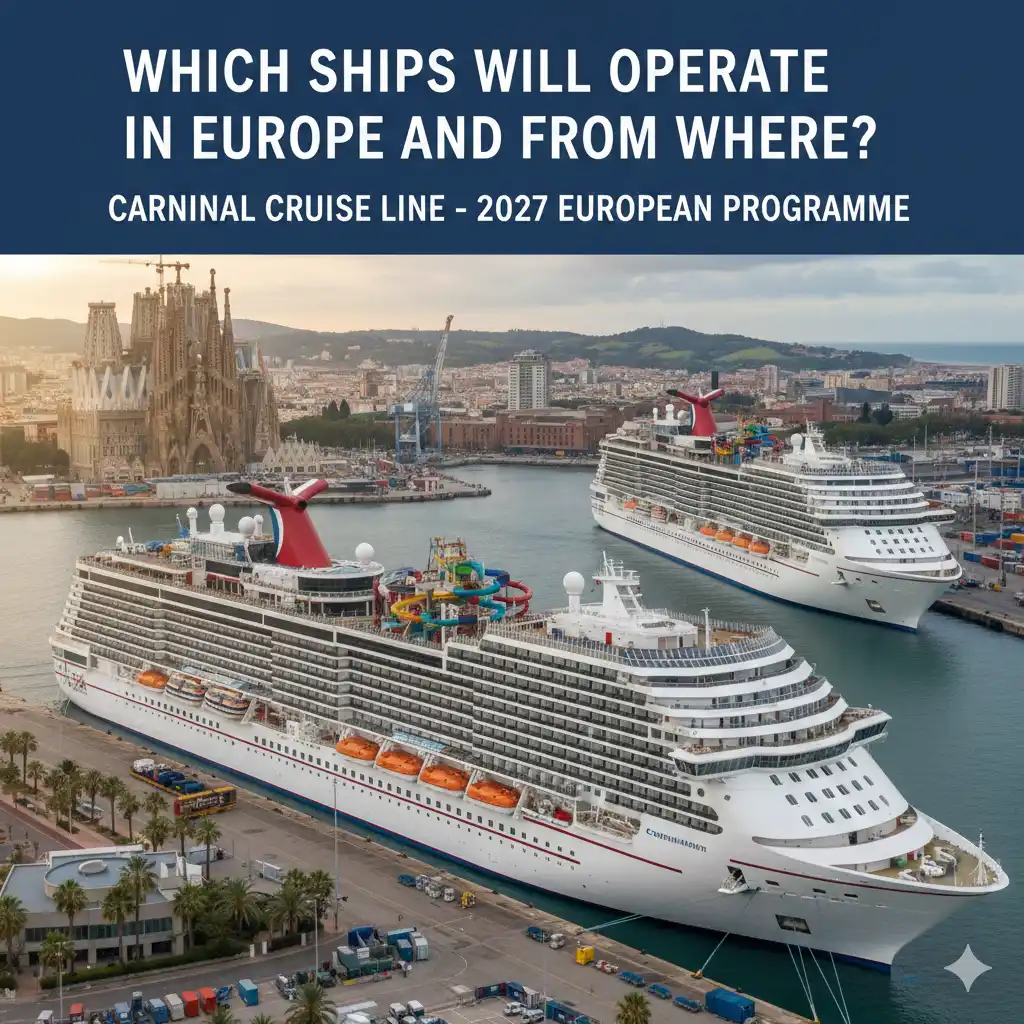
By using large, feature-rich ships, Carnival aims to offer a product consistent with its North American deployments, allowing loyal guests to experience Europe without compromising on the style of cruising they associate with the brand. This also enables the line to market the sailings both in Europe and in long-haul markets such as the United States and Canada.
What Types of Itineraries Will Be Offered to Passengers?
The 2027 European deployment is expected to feature a mix of short and longer itineraries designed to appeal to different passenger segments. Typical Carnival European programmes in recent years have included:
- Seven-night Mediterranean cruises visiting a combination of Spanish, French, Italian and Greek ports.
- Longer voyages of 10 to 14 nights, incorporating more in-depth exploration of regions such as the Eastern Mediterranean, the Western Mediterranean or Northern Europe.
- Repositioning voyages between North America and Europe at the beginning and end of the season, crossing the Atlantic and including a mixture of European and mid-Atlantic ports.
For 2027, similar patterns are expected, with itineraries likely to emphasise popular destinations such as the Greek islands, the Adriatic coast, Iberia and the Western Mediterranean, as well as scenic cruising in areas such as the Norwegian fjords. These itineraries are typically structured to allow convenient weekend turnarounds, making them practical for families and those with limited holiday time.
The line is also expected to continue offering shore excursions and onboard programming tailored to European destinations, including cultural tours, culinary experiences and family-friendly activities. These products are usually marketed with an emphasis on value and accessibility, consistent with Carnival’s mass-market positioning.
How Does This Fit into Carnival’s Wider Strategy?
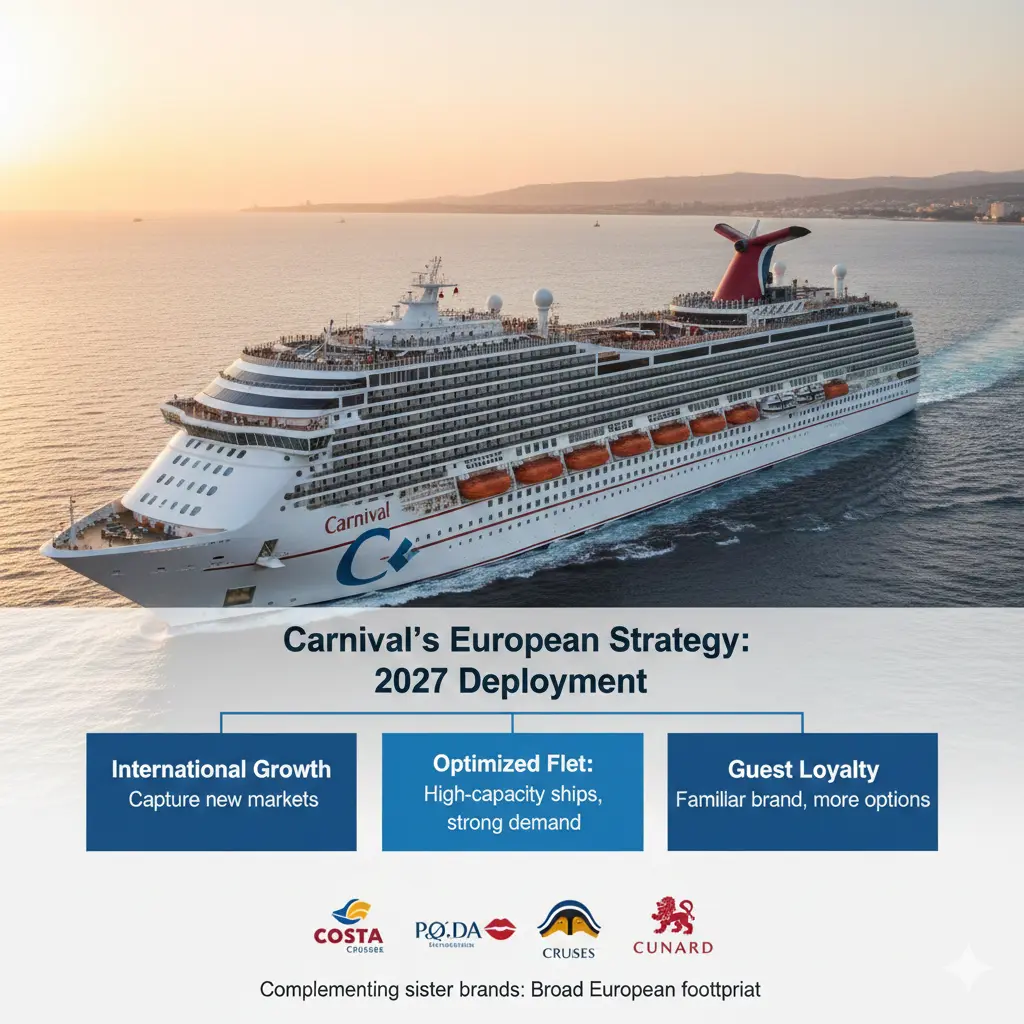
Carnival Corporation & plc, the parent company of Carnival Cruise Line, has stated in recent years that it intends to optimise fleet deployment to maximise returns and better match ships to markets. Deploying two Carnival-branded ships to Europe in 2027 aligns with this strategy by:
- Increasing deployment outside North America to capture growth in international markets.
- Using popular, high-capacity ships where demand is strongest and yields are attractive.
- Offering loyal North American guests more options to cruise in Europe on a familiar brand.
- Competing more directly with other large cruise operators which already maintain sizeable European programmes.
The move also complements the activities of Carnival Corporation’s other brands that are traditionally strong in Europe, such as Costa Cruises, AIDA Cruises, P&O Cruises and Cunard. Together, these brands give the group a broad footprint across the continent, from the Mediterranean to the Baltic and Northern Europe.
By adjusting deployments each year based on booking trends and economic conditions, Carnival aims to maintain flexibility while pursuing long-term growth.
How Significant Is the European Market for Carnival?
Europe is one of the largest cruise markets globally, both as a source of passengers and as a destination. Over the past decade, European demand has been driven by:
- Strong interest from UK, German, Italian, Spanish and French travellers.
- Growing popularity of fly-cruise packages from North America and other long-haul markets.
- The appeal of Europe’s historic cities, beaches and cultural attractions for families and multi-generational travel.
For Carnival, deploying two ships to Europe in 2027 demonstrates confidence in the region’s ability to absorb additional capacity. It also reflects a post-pandemic environment in which more travellers are choosing international destinations and longer trips, including cruises that combine multiple countries in a single itinerary.
The European deployment also allows Carnival to diversify revenue geographically, reducing reliance on any single market. This can be important in managing risks related to local economic conditions, regulatory changes or temporary disruptions such as port capacity constraints.
What Does the Deployment Mean for Passengers?
For passengers, Carnival’s 2027 European deployment is likely to result in a wider choice of itineraries, dates and price points. Key implications include:
- More options for UK and European residents to board Carnival ships close to home, rather than flying to North America.
- Additional sailings during peak summer months, providing flexibility for families and school holidays.
- A range of itineraries that cater to first-time cruisers and experienced guests seeking new destinations.
- The ability for North American and other long-haul travellers to combine a familiar brand with European sightseeing.
Passengers can typically expect standard Carnival offerings on board, including casual dining, multiple bars and lounges, live entertainment, children’s clubs and water attractions. The deployment may also include regionally themed food and beverage options and destination-specific onboard programming.
In addition, repositioning cruises to and from Europe in 2027 will offer opportunities for longer transatlantic voyages, which are popular with guests seeking extended time at sea and varied port calls.
How Does This Compare with Other Cruise Lines’ Plans?
Other major cruise operators have regularly based multiple ships in Europe during the summer season, including brands under Royal Caribbean Group and Norwegian Cruise Line Holdings. These companies often deploy some of their newest and largest vessels to European ports, reflecting the region’s importance.
Carnival’s decision to send two ships to Europe in 2027 brings its deployment more closely in line with this broader industry practice. It indicates that Carnival intends to maintain a visible presence in European waters while still prioritising its strong Caribbean and North American operations.
Industry-wide, deployment decisions for 2027 are being shaped by:
- Ongoing recovery and growth in demand for cruise holidays.
- The need to balance environmental regulations and port requirements in European destinations.
- Competitive dynamics in key source markets such as the UK, Germany and North America.
Carnival’s 2027 European plan sits within that context, contributing to a robust summer cruise season in the region.
What Are the Operational and Environmental Considerations?
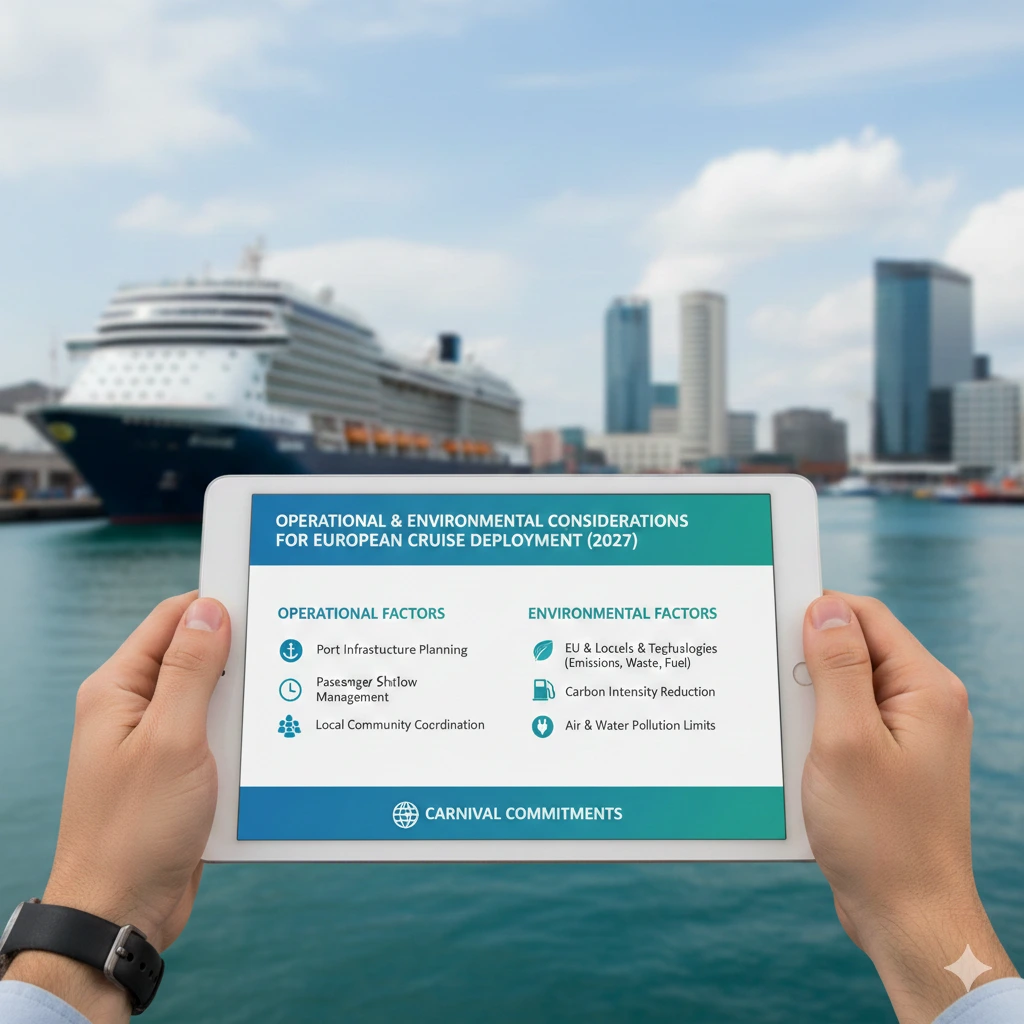
Deploying large cruise ships in Europe requires coordination with ports, regulators and local communities. Key operational and environmental factors for 2027 include:
- Compliance with European Union and local regulations on emissions, waste management and fuel standards.
- Increasing use of cleaner fuels and technologies where available, such as shore power connections in ports equipped to supply electricity to ships at berth.
- Port infrastructure planning to accommodate large vessels and manage passenger flows in and out of terminals.
- Scheduling itineraries that balance popular destinations with port capacity and local requirements.
Carnival, like other major operators, has committed to various environmental targets, including reductions in carbon intensity and measures to limit local air and water pollution. Deploying modern, large-capacity ships in Europe can be part of that effort when they include updated technologies and are operated within regulatory frameworks.
How and When Will Bookings Open for the 2027 Season?
Cruise lines typically open bookings for new seasons well in advance, often 18 to 24 months before departure. For Carnival’s 2027 European deployment, full itinerary details, ship assignments and departure dates are normally published once operational planning is complete and port slots are confirmed.
When bookings open, customers can usually reserve through:
- Carnival’s official website and call centres.
- Travel agents and tour operators specialising in cruise holidays.
- Package holidays that include flights, transfers and pre- or post-cruise hotel stays.
Early booking promotions, loyalty benefits and other incentives are commonly used to stimulate demand for new deployments, particularly for peak summer sailings and longer, more complex itineraries.