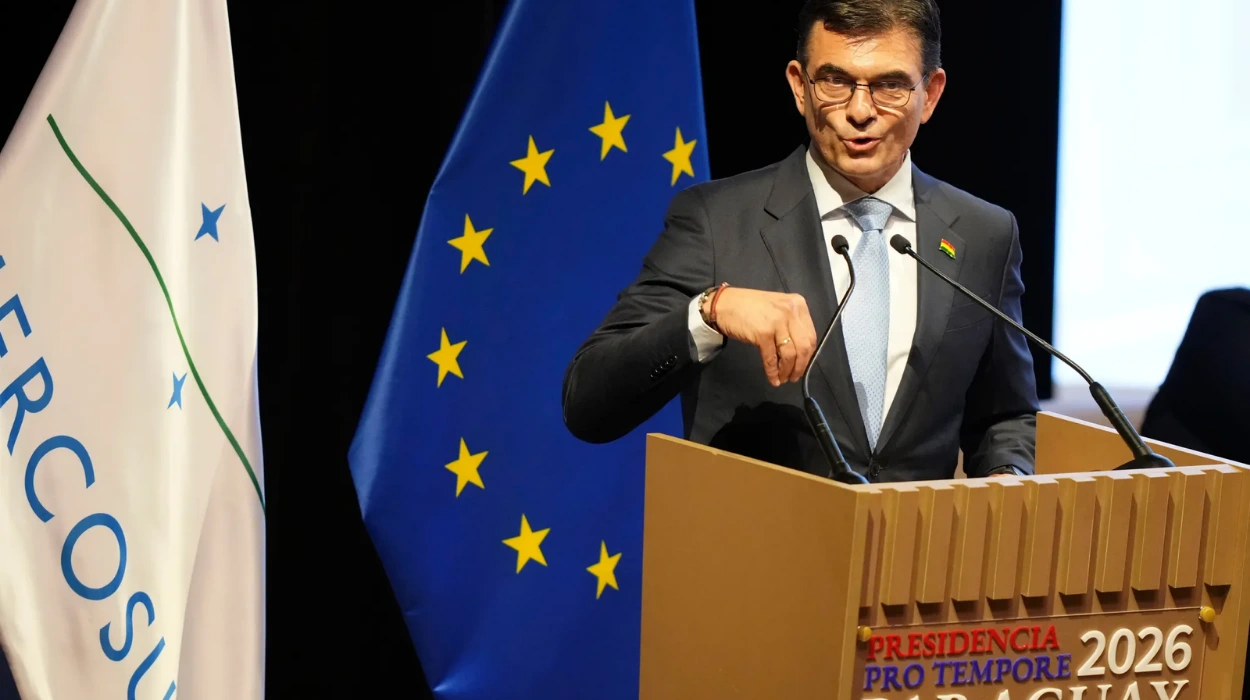

- The
European Parliament has voted to refer the draft EU–Mercosur trade
agreement to the EU Court of Justice, effectively freezing the
ratification process. - Judges
will assess whether the pact complies with EU law, including questions on
environmental protection, agricultural competition and human rights
safeguards. - Lawmakers
have requested clarification of the division of competences between the EU
and member states in implementing and enforcing the agreement. - The
Court will examine enforcement mechanisms, including how sustainable
development and other obligations would be monitored and upheld. - The
Court’s opinion will determine whether, and under what conditions, the
EU–Mercosur agreement can proceed towards ratification.
Brussels (Washington Insider Magazines) – The
European Parliament has voted to refer the draft EU–Mercosur trade agreement to
the EU Court of Justice, freezing the ratification process while judges assess
whether the pact complies with EU law. The decision follows years of political
debate over environmental protections, agricultural competition and human
rights safeguards in the proposed deal. Lawmakers also called for clarification
of the division of competences between the EU and member states and for a
detailed review of enforcement mechanisms. The Court’s opinion is expected to
determine whether, and under what conditions, the agreement can move forward.
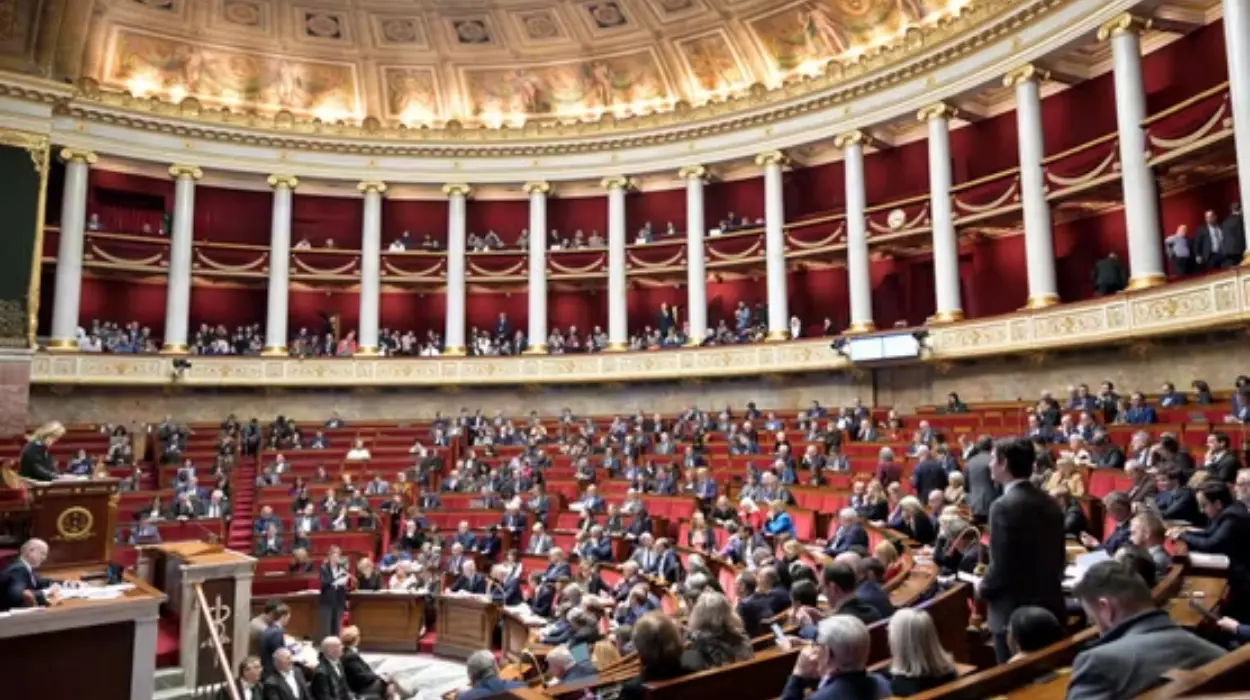
Parliament vote halts Mercosur deal pending court review
 Credit: BERTRAND GUAY / AFP
The European Parliament adopted a resolution requesting an
opinion from the EU Court of Justice on the compatibility of the EU–Mercosur
agreement with the EU Treaties, effectively suspending any further ratification
steps until the Court rules. The text was approved by a majority of members of
the European Parliament (MEPs), with political groups largely divided along
longstanding lines over trade, climate and agricultural policy. The referral
means that the agreement cannot be submitted for final consent by Parliament or
for formal conclusion by the Council until the Court has delivered its opinion.
MEPs argued that the complexity and breadth of the
EU–Mercosur text justified a prior-approval check by the Court, citing concerns
over sustainable development provisions, dispute settlement procedures and the
allocation of powers between EU institutions and member states. Several members
stressed that seeking judicial clarification now could avoid legal uncertainty
or later challenges before national or EU courts once the agreement entered
into force.
Legal questions focus on competences and sustainability
clauses
In their request, MEPs asked the Court of Justice to clarify
whether the EU–Mercosur agreement should be treated as an “EU-only” agreement
or as a “mixed” agreement requiring ratification by national parliaments in all
member states. This question has been a central point of contention since
earlier Court opinions on trade and investment agreements, including the
EU–Singapore accord, which drew detailed distinctions between EU and
member-state competences. Lawmakers underlined that legal certainty on this
issue is necessary before any political decision on ratification is taken.
The resolution also asks the Court to assess whether the
sustainable development chapter and related enforcement tools are sufficient to
meet obligations under the EU Treaties, including the requirement to promote
high environmental and labour standards in external action. MEPs referred in
particular to binding commitments on deforestation, climate action and respect
for multilateral environmental agreements, as well as to the effectiveness of
state-to-state dispute settlement and consultation mechanisms with civil
society. The Court has been requested to examine how these obligations interact
with the EU’s own Green Deal and climate legislation.
Environmental and climate concerns remain central to
debate
Longstanding environmental and climate concerns played a
prominent role in the parliamentary decision to request a judicial opinion.
MEPs cited evidence of deforestation and forest degradation in parts of the
Amazon and other sensitive ecosystems, as well as reports on greenhouse gas
emissions linked to agricultural expansion, as factors that have shaped public
and political attitudes towards the Mercosur deal. Several national governments
within the EU have previously indicated that they could not support ratification
without stronger environmental safeguards.
Civil society organisations and farming groups have for
years warned that expanded market access for agricultural products from
Mercosur countries could increase pressure on forests and biodiversity unless
stringent monitoring and enforcement are put in place. In plenary and committee
debates, MEPs referred to these concerns and to earlier Commission initiatives
to negotiate additional “side letters” or interpretative declarations on
sustainability. The decision to seek the Court’s view reflects a desire among
many lawmakers to ensure that environmental obligations in the agreement are
fully consistent with EU legal standards.
Agricultural sector pressures shape political positions
 Credit: noe.org
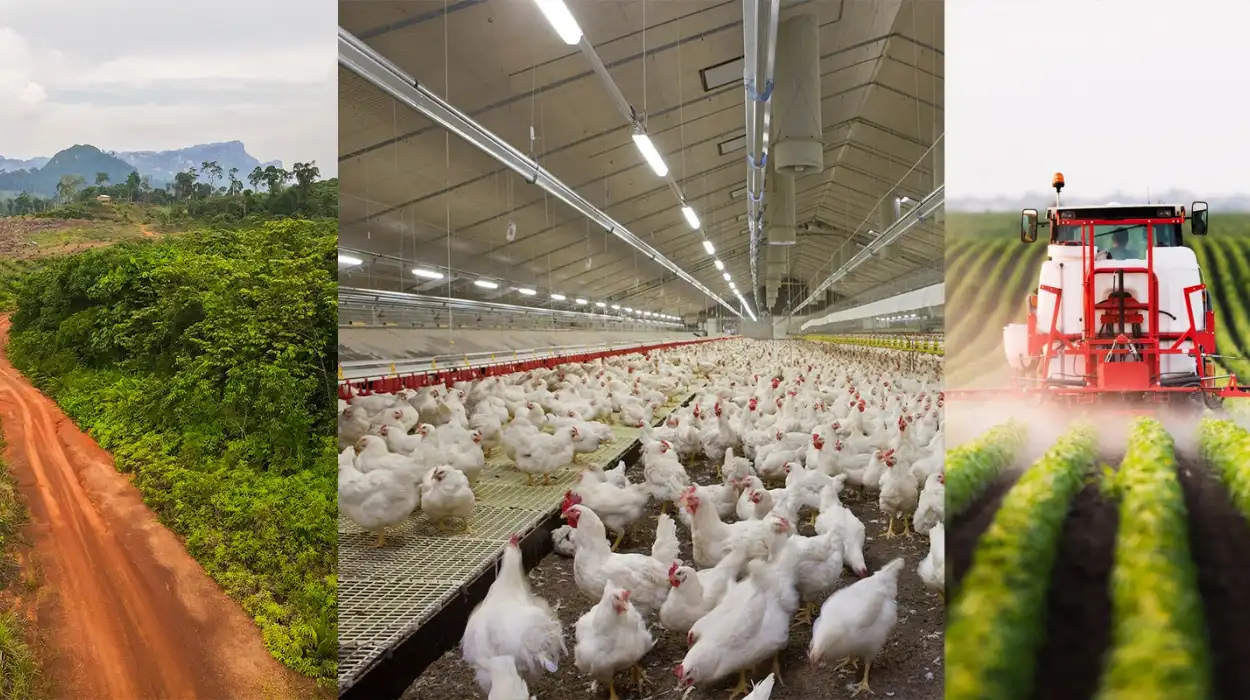
The agricultural dimension of the EU–Mercosur agreement has
also significantly influenced the positions of many MEPs and member states.
Farmer organisations in several EU countries have argued that tariff
concessions for beef, poultry, sugar and other sensitive products from Mercosur
partners could intensify competition for European producers, especially in
regions where small and medium-sized farms predominate. These groups have
raised questions about production standards, use of pesticides and traceability
systems, and have called for equivalent conditions for imports and domestic
production.
During parliamentary discussions, some MEPs underlined that
the agreement includes tariff-rate quotas, sanitary and phytosanitary
provisions and safeguard mechanisms intended to protect EU farmers from sudden
market disruption. Others maintained that these elements may not be sufficient
in practice and pressed for stronger guarantees or complementary support
measures at EU level. The referral to the Court does not directly address price
or market issues, but it allows additional time for these political concerns to
remain on the agenda while legal questions are examined.
Commission defends legal robustness and strategic value
of pact
The European Commission has consistently presented the
EU–Mercosur agreement as both legally robust and strategically important for the
Union’s trade and foreign policy. Commission representatives have argued in
parliamentary hearings and public statements that the text respects EU legal
obligations, including those on environmental protection, labour rights and
public policy regulation. They emphasise that the agreement would open one of
the world’s largest markets to EU exporters while reinforcing political ties
with Mercosur partners.
In response to growing concerns over deforestation and
climate impacts, the Commission has previously engaged with Mercosur
governments to develop additional instruments, such as joint declarations or
roadmaps, to clarify commitments and monitoring arrangements. Officials
maintain that engagement through a trade agreement can provide leverage to
promote higher standards and closer cooperation on sustainability issues. The
Commission has indicated that it will cooperate fully with the Court of Justice
process and continue dialogue with both Parliament and member states during the
legal review.
Positions of member states and internal EU dynamics
Member states remain divided over the EU–Mercosur deal, and
the Parliament’s decision to seek an opinion from the Court reflects and
reinforces those divisions. Some governments, particularly in countries with
strong export sectors in industrial goods and services, have publicly supported
the agreement and called for progress towards ratification. Others, often under
pressure from domestic agricultural and environmental constituencies, have
expressed reservations or outright opposition in its current form.
These differing national positions have made it difficult
for the Council to reach a unified stance on the timing and conditions for
concluding the agreement. The legal clarification requested from the Court
could influence whether national parliaments will eventually be called upon to
ratify the pact, which in turn affects political calculations in capitals.
Until the Court delivers its opinion, member states are expected to continue
internal consultations and technical work on the various components of the
EU–Mercosur package.
Implications for EU trade policy and partner countries
The referral of the EU–Mercosur agreement to the Court of
Justice has broader implications for the EU’s trade policy and for its partners
in Latin America. For the EU, the move underscores how environmental and social
standards, as well as questions of competence and democratic scrutiny, have
become central to the negotiation and approval of major trade agreements.
Future negotiations with other regions or countries are likely to be shaped by
lessons drawn from the Mercosur process, including the need to anticipate legal
and political challenges at an early stage.
For Mercosur countries, the parliamentary decision
introduces further uncertainty about the timeline and conditions for EU market
access concessions that have been negotiated over many years. Governments and
business groups in the region have periodically expressed concern about delays
and shifting expectations on the EU side, while also acknowledging that debates
over sustainability and agriculture are politically salient within Europe. The
Court’s eventual opinion will be closely watched by these partners, who will
seek clarity on whether additional commitments or adjustments might be
required.
Next steps in the judicial and political process
 Credit: curia.europa.eu
Once the European Parliament’s request
is formally transmitted, the EU Court of Justice will examine the legal
questions raised and decide on the procedure and timetable for delivering an
opinion. The Court may choose to hear written and oral submissions from EU
institutions, member states and possibly other stakeholders, as has occurred in
previous advisory proceedings on international agreements. The process can take
many months, depending on the complexity of the issues and the Court’s
workload.
During this period, the political institutions of the EU are
expected to refrain from any final decision on ratification of the EU–Mercosur
agreement. Parliamentary committees may, however, continue to scrutinise
related policy areas, such as deforestation regulation, due diligence rules and
support measures for affected sectors. Once the Court issues its opinion,
Parliament and Council will need to assess its implications and decide whether
to proceed with the agreement as negotiated, seek amendments, or reconsider the
overall approach to relations with Mercosur.