
Summary
- EU
relaxes Schengen visa rules for Turkish citizens. - Move
aims to ease travel between Turkey and the EU. - EU
Ambassador welcomes change but calls for more reforms. - Part
of ongoing EU-Turkey diplomatic talks. - Visa
easing linked to broader political and security issues.
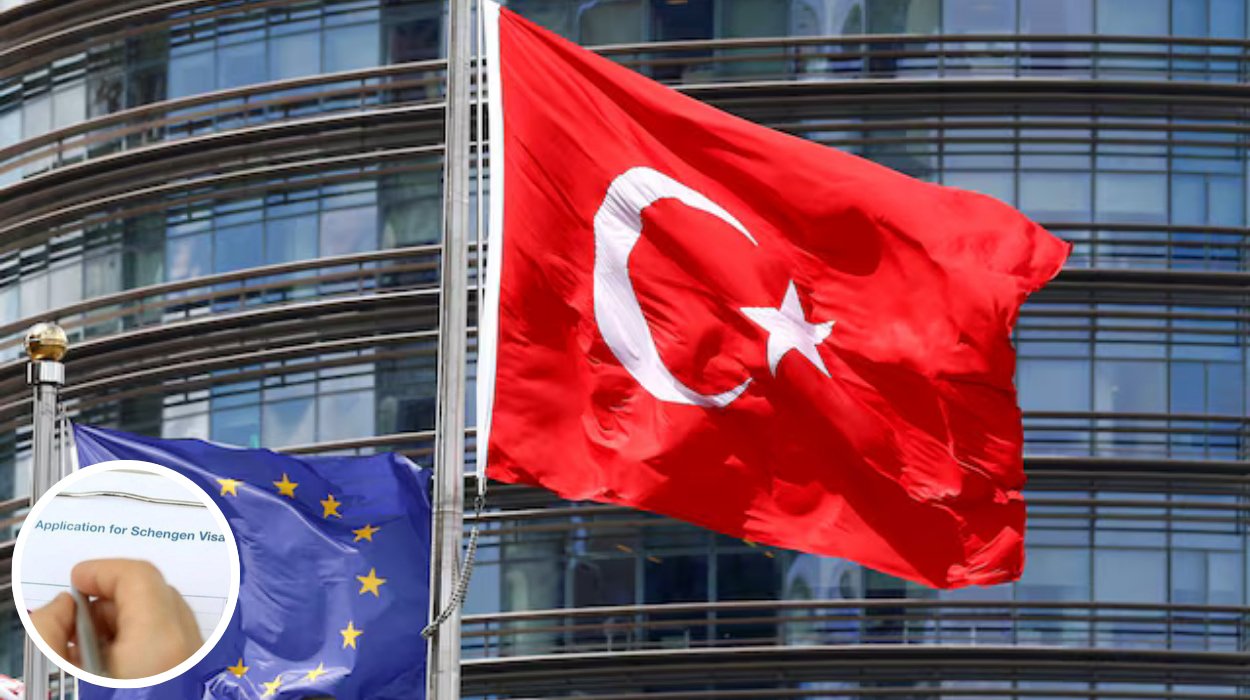
The European Union has relaxed the requirements for
Schengen visas for Turkish nationals, a significant development designed to
ease the process of travel across EU member states for Turkish citizens. This
relaxation is part of broader efforts to enhance cooperation and facilitate
mobility between Turkey and the EU. Details about the exact nature of these
eased requirements have not yet been extensively disclosed in the sources;
however, it generally suggests a streamlined visa application process or
reduced bureaucratic hurdles for eligible Turkish travelers. This easing of visa restrictions is regarded as a positive
step in strengthening EU-Turkey relations and encouraging cultural and
economic exchanges through enhanced travel freedoms.
Why Has the EU Made This Change Now?
The EU’s decision to ease Schengen visa rules for Turkish
nationals comes as part of ongoing diplomatic discussions aimed
at improving ties between the European bloc and Turkey, which have experienced
fluctuations due to political disagreements and policy divergences in recent
years.
EU officials and the Turkish government have been engaged in
talks focusing on areas of mutual interest including migration management,
economic cooperation, and human rights issues. Easing visa restrictions is seen
as a gesture to build trust and renew commitments on stalled
dialogues.
How Has the EU Ambassador to Turkey Reacted to This
Decision?
The EU Ambassador to Turkey, while acknowledging and
welcoming the visa liberalization, has emphasized that further progress
is necessary. In statements attributed to the envoy, the move is described
as a step forward, yet insufficient in itself.
The Ambassador urges more comprehensive reforms and
practical actions to improve mobility, not only in simplifying visa
issuance but also in addressing broader concerns such as security cooperation
and fundamental rights protections which impact the visa policy framework.
What Are the Reactions from Turkish and European Officials?
This latest development has been met with cautious optimism
from both sides. Turkish officials express hope that easing visa restrictions
will boost tourism and business travel, stimulating economic benefits and
people-to-people contact.
European officials regard the move as a confidence-building
measure, but stress that Turkey’s compliance with EU standards on key
issues remains pivotal for full visa liberalization. This approach reflects the
complexity and conditionality often linked to visa policy between the EU and
external partners.
What Is the Context of EU-Turkey Relations Behind This Visa
Policy Change?
EU-Turkey relations have been characterized by a mixture of
collaboration and tension. Turkey’s long-standing candidacy for EU membership
has not progressed as expected, complicated by political developments, human
rights concerns, and disagreements over foreign policy.
Visa liberalization has been a contentious and
symbolic issue since the visa waiver has been linked to Turkey
fulfilling certain criteria set by the EU, including on security, migration
management, judicial reforms, and anti-terrorism measures.
Recent moves by the EU easing the Schengen visa rules should
be seen in this light — both as part of a broader political strategy and
as a pragmatic approach to manage bilateral issues amid shifting geopolitical
dynamics.
How Will This Visa Easing Impact Turkish Citizens and
Travel?
The easing of Schengen visa rules is expected to
significantly benefit Turkish citizens by simplifying their access to travel
across the EU’s Schengen Area. This can lead to an increase in tourism,
business trips, educational exchanges, and family visits, fostering stronger
people-to-people connections. For many Turks, travel to Europe has been
hindered by complex and lengthy visa procedures, so the new measures offer a
practical relief that could stimulate economic and cultural ties.
What Are the Implications for EU-Turkey Relations Moving
Forward?
This change in visa policy adds a positive chapter to the
often complicated EU-Turkey relationship. By easing travel restrictions, both
sides signal a willingness to cooperate and build mutual trust despite existing
political challenges. However, the progress remains contingent on Turkey
addressing key EU concerns, particularly around rule of law and human rights.
The visa easing may serve as a foundation for deeper negotiations and enhanced
collaboration across various sectors in the future.
What Are the Prospects and Challenges Going Forward?
The easing of visa restrictions is encouraging but still
tentative. For Turkey and the EU to deepen their engagement, there is
widespread recognition from diplomats and experts that more substantive
reforms and policy harmonization are required.
Challenges remain including political will, mutual
suspicions, and differing priorities between Ankara and Brussels. Progress on
visa liberalization thus depends not just on revising technical rules but also
on addressing underlying political and human rights concerns.
EU Ambassador’s comments underline the expectation that this
initiative should serve as a springboard for additional cooperation and
trust-building, rather than an end goal.
This development marks an important chapter in EU-Turkey
relations, reflecting both the complexity of international diplomacy and
the constant balancing act between political considerations and practical
cooperation. While the easing of Schengen visa rules signals goodwill, much
remains to be done for a normalized and fully functional visa regime benefiting
the people of Turkey and the European Union.