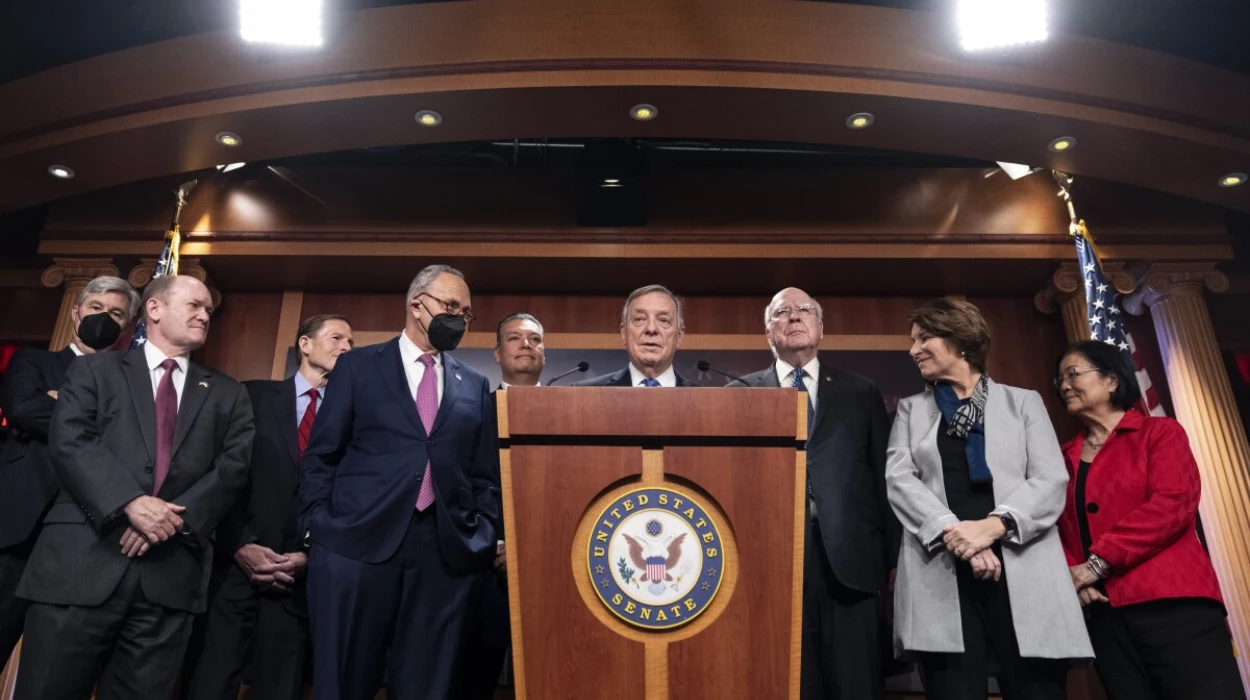

U.S. senators
hold one of the highest offices in American government, offering them
considerable influence on the country’s laws, policies, and international
stance. Each state elects two senators regardless of population, reflecting a
key feature of federalism and equal state representation. The scope of a
senator’s duties is shaped by constitutional mandates, Senate rules, and political
customs, spanning lawmaking, overseeing the executive branch, confirming key
officials, ratifying treaties, and serving the needs of constituents.
Understanding these duties offers insight into the workings of the U.S. Senate
and the integral role senators play in shaping the nation’s political,
economic, and social fabric.
Lawmaking and
Legislative Responsibilities
At the heart of a senator’s role is crafting, debating, amending,
and voting on legislation. Senators introduce bills, propose amendments, and
work within Senate committees specializing in areas like finance, foreign
relations, judiciary, and defense. They negotiate legislation with colleagues
in both the Senate and the House of Representatives to ensure passage before
bills reach the president for signature or veto. Their legislative role
requires deep understanding of complex policy issues, responsiveness to
constituent interests, and collaboration across party lines. This process
influences everything from national infrastructure initiatives to healthcare,
education, and environmental regulations.
Oversight and
Investigative Duties
Senators have the constitutional responsibility to conduct
oversight of the executive branch to ensure laws are faithfully executed and
government officials remain accountable. They hold hearings, summon witnesses,
and issue subpoenas when investigating government agencies or programs. This
oversight function helps deter corruption, inefficiency, and abuse of power.
High-profile investigations may involve the actions of cabinet members, federal
agencies, or issues of national security. The Senate’s oversight role supports
the system of checks and balances that underpins U.S. governance.
Confirmation of
Presidential Appointments
One of the Senate’s unique responsibilities is to confirm or
reject presidential nominations to critical federal posts including Supreme
Court justices, federal judges, cabinet members, and ambassadors. This power
serves as a critical check on the executive branch. Senators evaluate nominees
through hearings to assess qualifications, experience, and suitability for
office. Confirmation decisions often involve intense political scrutiny and
public debate, reflecting the profound influence those appointed officials have
on law and policy.
Treaty
Ratification and Foreign Policy
The Senate plays a seminal role in American foreign policy by
approving or rejecting treaties negotiated by the president with other nations.
Treaties require a two-thirds Senate majority to be ratified, making this a
significant legislative check on executive diplomacy. Senators also influence
foreign policy through their oversight of the Department of State and
participation in foreign relations committees. They may shape trade agreements,
strategic alliances, and national security policies affecting U.S. global
engagement.
Budgetary Powers
and Appropriations
Senators have a voice in shaping the federal budget and allocating
funds for government programs and projects. Through committees such as the
Senate Appropriations Committee and Senate Finance Committee, senators debate
funding priorities and amendments. They work closely with the House and the
executive branch to finalize budgets ensuring the government’s operations and
services are financially supported. Their decisions impact sectors such as
defense, healthcare, education, and infrastructure development nationwide.
Constituent
Services and Representation
Beyond Washington, senators maintain offices in their home states, connecting with constituents and addressing
their concerns. They advocate for state interests, help citizens navigate
federal programs, and respond to individual requests such as assistance with
Veterans Affairs or Social Security. This representational duty keeps senators
grounded in the needs and opinions of the people they serve, ensuring democracy
remains responsive.
Senate
Leadership and Committee Roles
Within the Senate, senators may take on additional roles that shape
Senate operations and influence
legislation. Leadership positions include the Majority and Minority Leaders who
set agendas and manage floor debates. Whips help organize party votes. Senators
chair and serve on numerous committees where much of the legislative and
oversight work occurs, allowing them to specialize in areas like judiciary,
foreign affairs, and appropriations. Committee chairs in particular hold
substantial sway over the legislative process and policy focus.
The duties of a U.S. senator are multifaceted and demanding,
spanning legislative creation, oversight of government operations, confirmation
of key appointments, treaty approval, budget formulation, and representation of
constituents. These responsibilities anchor the Senate’s crucial role in
American governance, ensuring a balance of power, democratic accountability,
and informed policymaking. Serving six-year terms without limits, senators have
the opportunity to develop lasting influence while carrying significant
obligations that affect both their states and the nation.