
Key Points
- Doug
Collins, Secretary of the U.S. Department of Veterans Affairs, made his
first official visit to Dallas, Texas, on July 7, 2025, since assuming
office. - Collins
toured the Dallas VA Medical Center, including a soon-to-open spinal cord
injury center, and addressed staff and veterans. - The
visit comes amid agency-wide job cuts, with the VA aiming to reduce its
workforce by 15%—approximately 70,500 positions—while assuring no impact
on essential healthcare services. - Collins
faced questions and concerns from staff, veterans, and local officials
regarding the potential effects of these cuts on patient care and VA
operations. - The
Secretary reiterated that “mission-critical” roles such as healthcare
providers would be spared, and that the changes are aimed at increasing
efficiency, not reducing benefits or care. - Public
reactions and commentary from veterans and advocacy groups reflect deep
skepticism and concern about the future of VA services and benefits. - Collins
emphasized ongoing transparency, improved services, and a commitment to
the VA’s mission under President Trump’s administration. - Congressional
leaders, including Senator Richard Blumenthal, criticized the lack of
detailed information and warned of possible negative consequences from the
cuts. - The
visit and Collins’ statements have sparked a broader debate about the
future direction of the VA, including issues of privatization, efficiency,
and accountability.
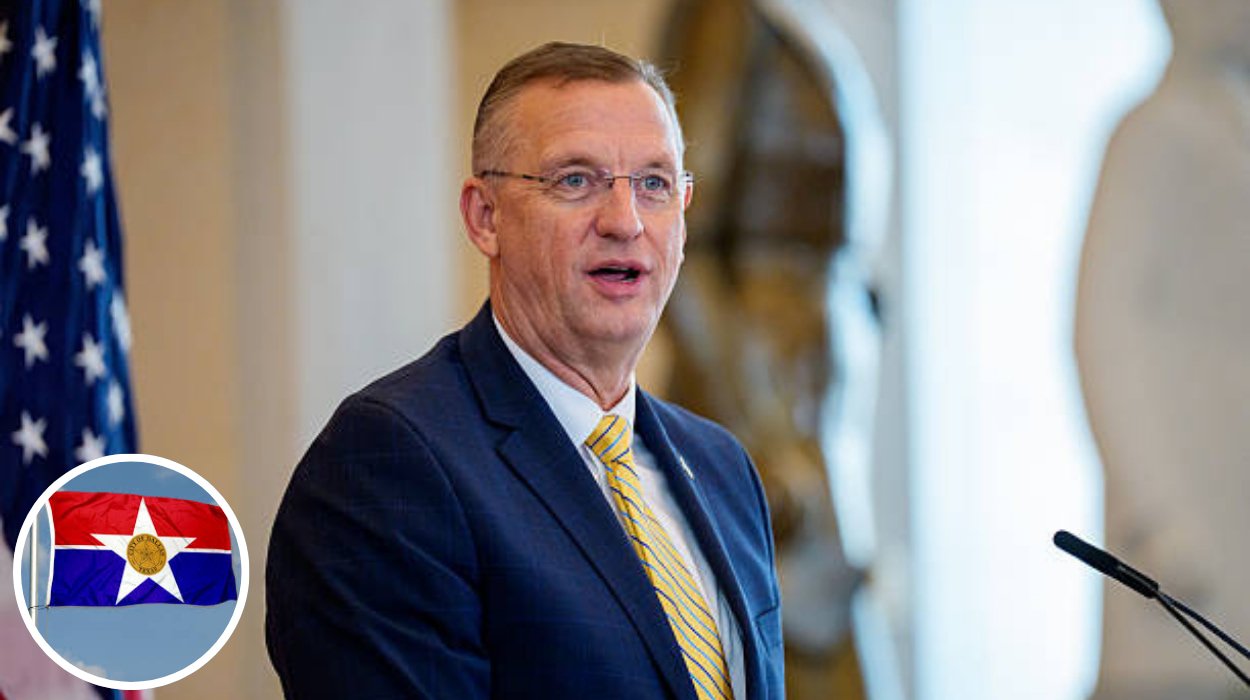
Veterans Affairs Secretary Doug Collins made his first
official visit to Dallas, Texas, on July 7, 2025, amid a climate of uncertainty
and concern as the Department of Veterans Affairs (VA) moves forward with
significant job cuts and organizational changes. Collins’ visit, which included
a tour of the Dallas VA Medical Center and meetings with staff and local
veterans, comes as the agency braces for a 15% reduction in its workforce—a
move that has drawn both support and sharp criticism from various quarters.
What Was the Purpose of Doug Collins’ Visit to Dallas?
As reported by the North Texas e-News, Secretary Doug
Collins’ trip to Dallas marked his inaugural visit to Texas since taking the
helm of the VA. The visit was anchored around a tour of the Dallas VA
Medical Center, where Collins also inspected the soon-to-open spinal cord
injury center. According to Sarah Bahari of The Dallas Morning News, the visit
was part of a broader effort to engage with VA staff, assess ongoing projects,
and address concerns about the agency’s future direction.
How Did Doug Collins Address Concerns Over Job Cuts?
During his visit, Collins faced pointed questions about the
VA’s plan to cut approximately 70,500 jobs—about 15% of its workforce. As
detailed by Sarah Bahari of The Dallas Morning News, Collins insisted that the
cuts would not affect patient care, stating,
“We will not be cutting benefits
and healthcare, only enhancing them, and I believe the budget reflects that”.
He
emphasized that essential healthcare personnel, including doctors and nurses,
would be retained, while nonessential roles such as interior designers and
diversity, equity, and inclusion staff would be phased out.
In testimony before Congress, as reported by NBC News,
Collins defended the job cuts as necessary for increasing efficiency and
eliminating waste within the agency. He stated,
“The history of the department
illustrates that merely increasing the number of employees does not guarantee
improved outcomes”.
Collins also highlighted that the VA had already
terminated over 2,400 employees and canceled 585 contracts in 2025, promising
that more details about the specific positions affected would be shared in due
course.
What Statements Did Doug Collins Make on Veterans’ Benefits
and Services?
In a video message from February 2025, cited by the official
VA News, Collins directly addressed rumors about cuts to veterans’ benefits,
declaring,
“I’m the Secretary of VA, and I’m telling you right now, that’s not
happening… the reality is, Veterans benefits aren’t getting cut. In fact, we
are actually giving and improving services”.
Collins reiterated his
commitment to clearing cases faster and ensuring that resources are directed
toward services for veterans, not administrative overhead.
He also clarified the role of the Department of Government
Efficiency (DOGE) in reviewing contracts and operations, stating,
“I’m happy to
partner with them to find things we need to get rid of so we can put the money
where it belongs… back with our Veterans”.
What Was the Reaction From Veterans, Staff, and Advocacy
Groups?
The response to Collins’ visit and statements has been
mixed, with many expressing skepticism about the impact of the job cuts. The
VA’s official news site features a range of comments from veterans and
employees, some of whom accuse Collins of downplaying the potential negative
effects of the cuts. One commenter wrote,
“Reduced service levels are just the
first steps towards privatizing the VA. You create a problem by cutting funding
and service levels, and then say the solution is to privatize the system so the
rich can get richer”.
Others voiced concerns about the possibility of increased
workloads for remaining staff, delays in benefits processing, and reduced
access to care for veterans. “I have been fighting for disability compensation
since 2018 and my claims continue to get denied… The way the VA is set up is
backwards,” another veteran stated on the VA’s news platform.
Despite the criticism, some commenters defended Collins’
approach, urging patience and emphasizing the need to measure his performance
over time.
How Did Congressional Leaders Respond to the VA’s Actions?
Senator Richard Blumenthal of Connecticut was among the most
vocal critics, as reported by NBC News. Blumenthal chastised Collins for
failing to provide sufficient information about the cuts and warned,
“Accountability has been totally lacking,” adding that slashing an agency
serving 9.1 million individuals could have dire consequences. He
cautioned, “Make no mistake, this is a storm on the horizon for us as a nation”.
Collins, for his part, maintained that increased funding and
staffing are not always the answer, citing the VA’s $588 million annual
expenditure on veteran suicide research and the lack of significant progress in
reducing suicide rates since 2008.
What Are the Broader Implications for the VA and Its Future?
The debate sparked by Collins’ visit extends beyond Dallas
and touches on fundamental questions about the VA’s mission, efficiency, and
accountability. Critics argue that the job cuts could pave the way for
privatization and reduced quality of care, while supporters contend that
streamlining the agency is essential for long-term sustainability. The
controversy also highlights ongoing tensions between the VA’s leadership,
Congress, and the veteran community regarding transparency, resource
allocation, and the best path forward.
What Did Local Media and Journalists Report on the Visit?
- As
reported by the North Texas e-News, Collins’ visit was seen as an
important opportunity to reassure local veterans and staff about the VA’s
commitment to its mission. - Sarah
Bahari of The Dallas Morning News detailed Collins’ tour of the spinal
cord injury center and his meetings with staff, noting the palpable
anxiety among employees about the future. - NBC
News provided in-depth coverage of Collins’ congressional testimony,
highlighting the heated exchanges and the broader national debate over the
VA’s direction. - The
VA’s own news platform offered a window into the diverse and passionate
opinions of veterans and employees, showcasing both support and criticism
for Collins’ leadership.
How Did Doug Collins Conclude His Dallas Visit?
At the end of his visit, as reported by multiple outlets,
Collins reiterated his commitment to transparency and ongoing communication
with veterans, staff, and the public. He stated,
“We’re going to deliver timely
access to care and benefits for every eligible Veteran, family member,
caregiver and survivor. We’re going to put Veterans at the center of everything
VA does, focusing relentlessly on customer service and convenience”.
Collins pledged to continue challenging the status quo and
to hold VA employees accountable while celebrating those who excel in their
duties. He concluded by assuring that the VA would remain mission-focused
and that all changes would be made with veterans’ best interests at heart.
In summary, Secretary Doug Collins’ visit to Dallas has
become a focal point for national debate over the future of the Department of
Veterans Affairs. While Collins promises efficiency and improved services,
skepticism remains high among veterans, staff, and lawmakers. The coming months
will be critical in determining whether the VA can deliver on its promises
without sacrificing the quality of care and benefits that America’s veterans
have earned.