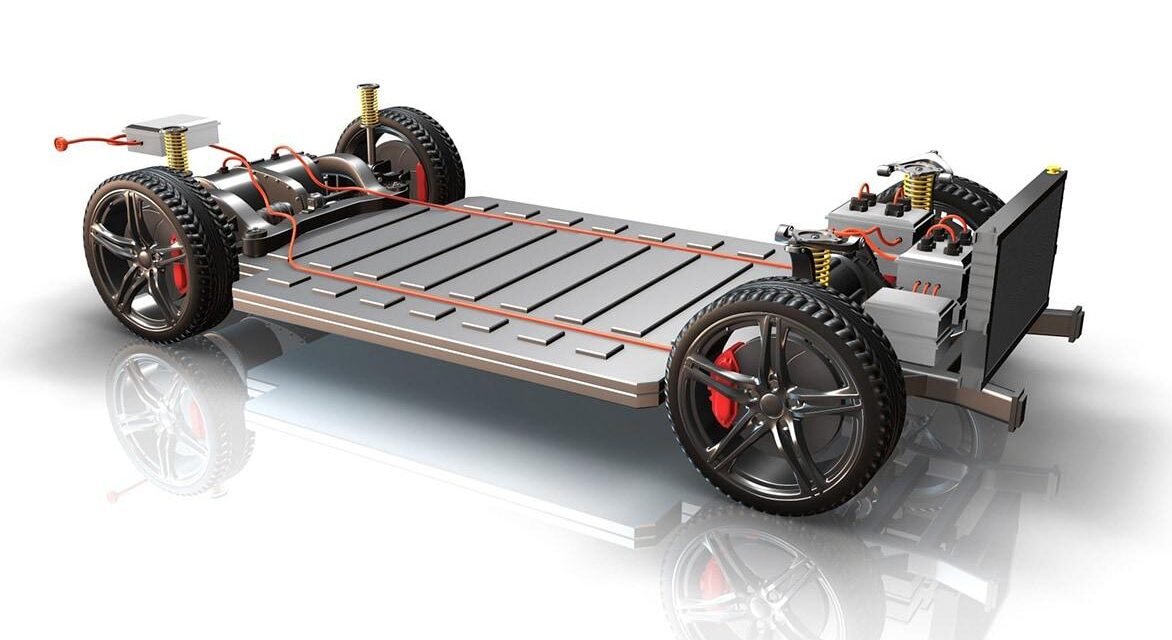

MUMBAI, India (Washington Insider Magazine) EV platform technology is emerging as a central factor in the future of electric vehicle development after reports indicated Tata Motors is exploring the use of Chery’s vehicle architecture for upcoming premium electric vehicles. The reported move highlights the growing importance of EV platform technology as automakers seek faster development cycles, lower production costs, and improved vehicle performance in an increasingly competitive global market.
Industry analysts say the reported collaboration reflects broader trends across the automotive industry, where manufacturers are increasingly relying on strategic partnerships to accelerate innovation and strengthen their positions within the electric mobility sector.
“The future of electric vehicles will be defined by the strength of the technology beneath them.”
Tata Focuses on Premium Electric Vehicle Growth
Tata Motors has established itself as a leader in India’s electric vehicle market, but the company continues expanding its ambitions in the premium segment. Reports suggest Tata may use Chery’s architecture to support future models under its Avinya brand.
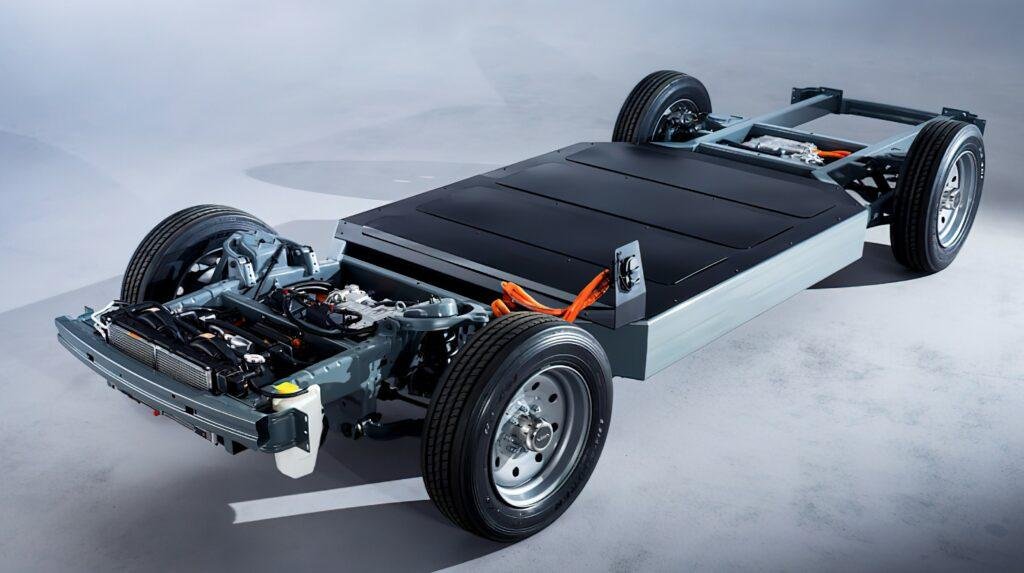
For automakers seeking rapid growth, EV platform technology has become one of the most valuable assets. Modern vehicle platforms provide the foundation for battery integration, software systems, driving range, safety features, and manufacturing efficiency.
Developing a dedicated EV platform from scratch can require years of engineering work and significant investment. By utilizing proven solutions, manufacturers can accelerate product launches while focusing on customer experience and brand development.
Industry observers believe advanced EV platform technology could play a critical role in helping Tata compete more effectively in premium electric vehicle markets.
Why EV Platforms Matter More Than Ever
Electric vehicles differ fundamentally from traditional gasoline-powered cars. Dedicated EV architectures are specifically designed to maximize efficiency, optimize battery placement, and improve interior space.
As a result, EV platform technology has become a major differentiator among manufacturers. Companies with flexible platforms can develop multiple vehicle models using shared engineering foundations, reducing costs while increasing scalability.
The automotive industry is increasingly shifting toward platform-based strategies because they enable manufacturers to respond more quickly to changing consumer preferences and technological developments.
Industry experts note that the most successful EV companies are often those with the strongest underlying technology infrastructure.
Chery Expands Its International Influence
Chery has become one of China’s leading automotive exporters and continues investing heavily in electric mobility innovation. The company has developed expertise in vehicle engineering, battery systems, and software integration.
The reported collaboration demonstrates how EV platform technology developed by Chinese manufacturers is gaining recognition across international markets. Chinese automakers have emerged as major players in electric vehicle development, supported by years of investment in research and production capabilities.
Analysts say partnerships involving advanced vehicle platforms are becoming increasingly common as automakers seek ways to accelerate development while controlling costs.
The trend reflects the growing importance of global cooperation within the electric vehicle industry.
“Technology partnerships are becoming a key competitive advantage in the EV market.”
Competition Intensifies Across the EV Industry
The global electric vehicle market continues attracting substantial investment as manufacturers race to launch new products and expand market share. Competition now extends beyond vehicle design and pricing to include software capabilities, battery performance, and platform innovation.
Many experts view EV platform technology as one of the most important factors influencing future competitiveness. Advanced architectures provide manufacturers with the flexibility to support multiple vehicle categories while adapting to evolving technologies.
Consumers increasingly expect intelligent connectivity, rapid charging, extended driving ranges, and advanced safety features. Meeting those expectations requires sophisticated engineering solutions built into the underlying platform.
As demand grows, automakers are prioritizing investments that strengthen technological capabilities and improve product development efficiency.
India’s EV Market Continues Expanding
India remains one of the world’s most promising electric vehicle markets. Government initiatives, environmental goals, and infrastructure development are contributing to increased consumer interest in electric mobility.
The growing focus on EV platform technology reflects the broader transformation occurring throughout the industry. Manufacturers are working to develop vehicles that balance affordability, performance, and advanced features.
Industry analysts expect India’s EV market to expand significantly over the coming years as charging networks improve and consumer awareness increases.
Technology will remain a crucial factor determining which companies succeed in capturing future market opportunities.
Strategic Partnerships Reshape Automotive Development
The reported Tata-Chery discussions highlight how collaboration is reshaping automotive development. Instead of independently creating every component, manufacturers increasingly work together to share expertise and resources.
This approach allows companies to leverage existing EV platform technology while focusing on areas where they can create unique value. Automakers can devote greater attention to design, software, customer service, and brand positioning while benefiting from proven engineering foundations.
Industry observers expect similar partnerships to emerge throughout the global automotive sector as electrification accelerates.
The ability to combine technological innovation with efficient development processes is becoming increasingly important.
“The next generation of automotive innovation will be built on collaboration and technology.”
Future Outlook for Electric Mobility
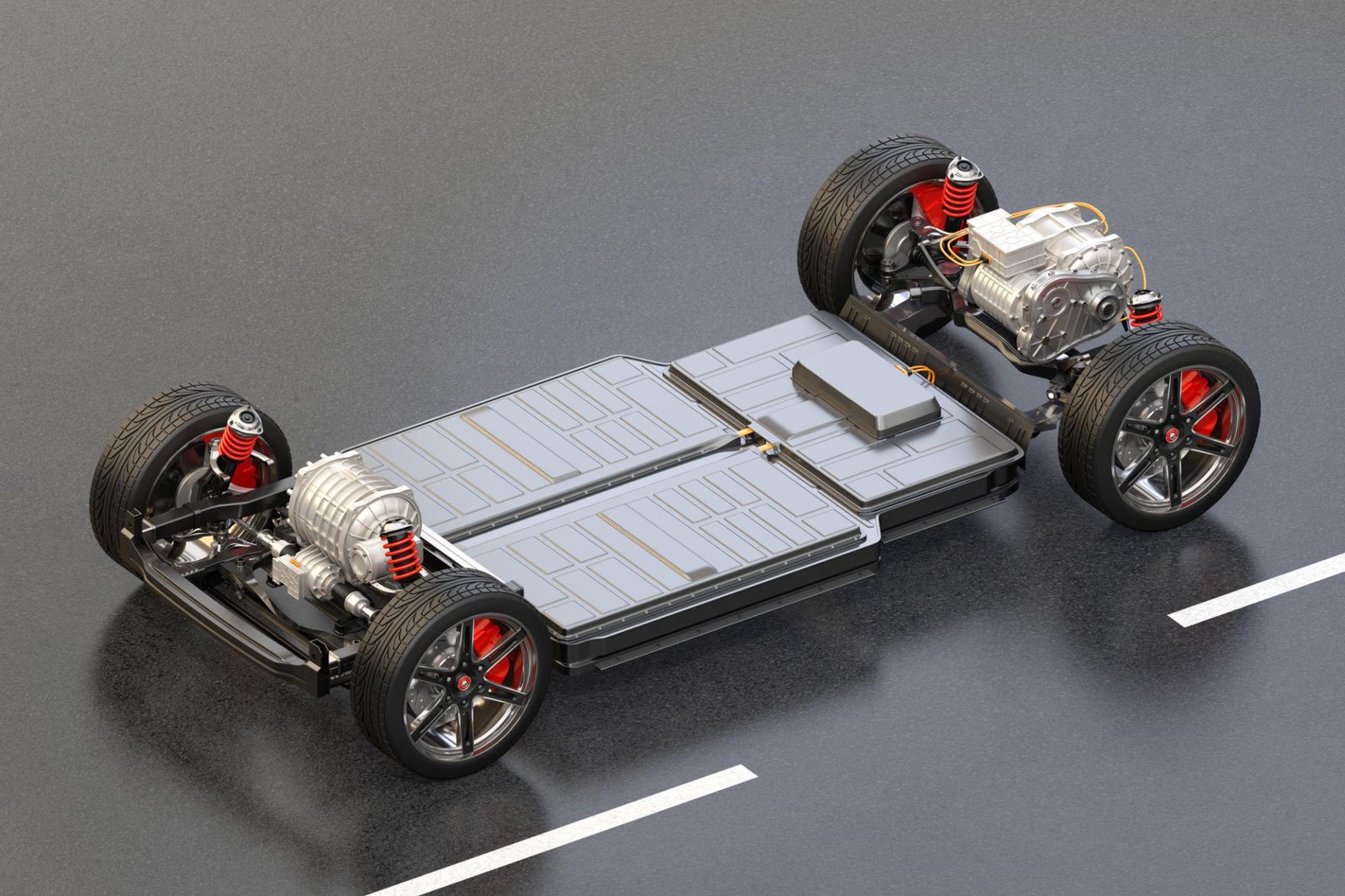
The role of EV platform technology is expected to expand as electric vehicles become a larger share of global automotive sales. Future platforms will likely incorporate artificial intelligence, connected services, autonomous capabilities, and advanced battery technologies.
Manufacturers that successfully develop or access sophisticated platforms may gain significant competitive advantages. The reported collaboration between Tata and Chery illustrates how technology partnerships are becoming central to long-term growth strategies.
Industry analysts believe the companies that adapt most effectively to changing technological requirements will be best positioned for future success.