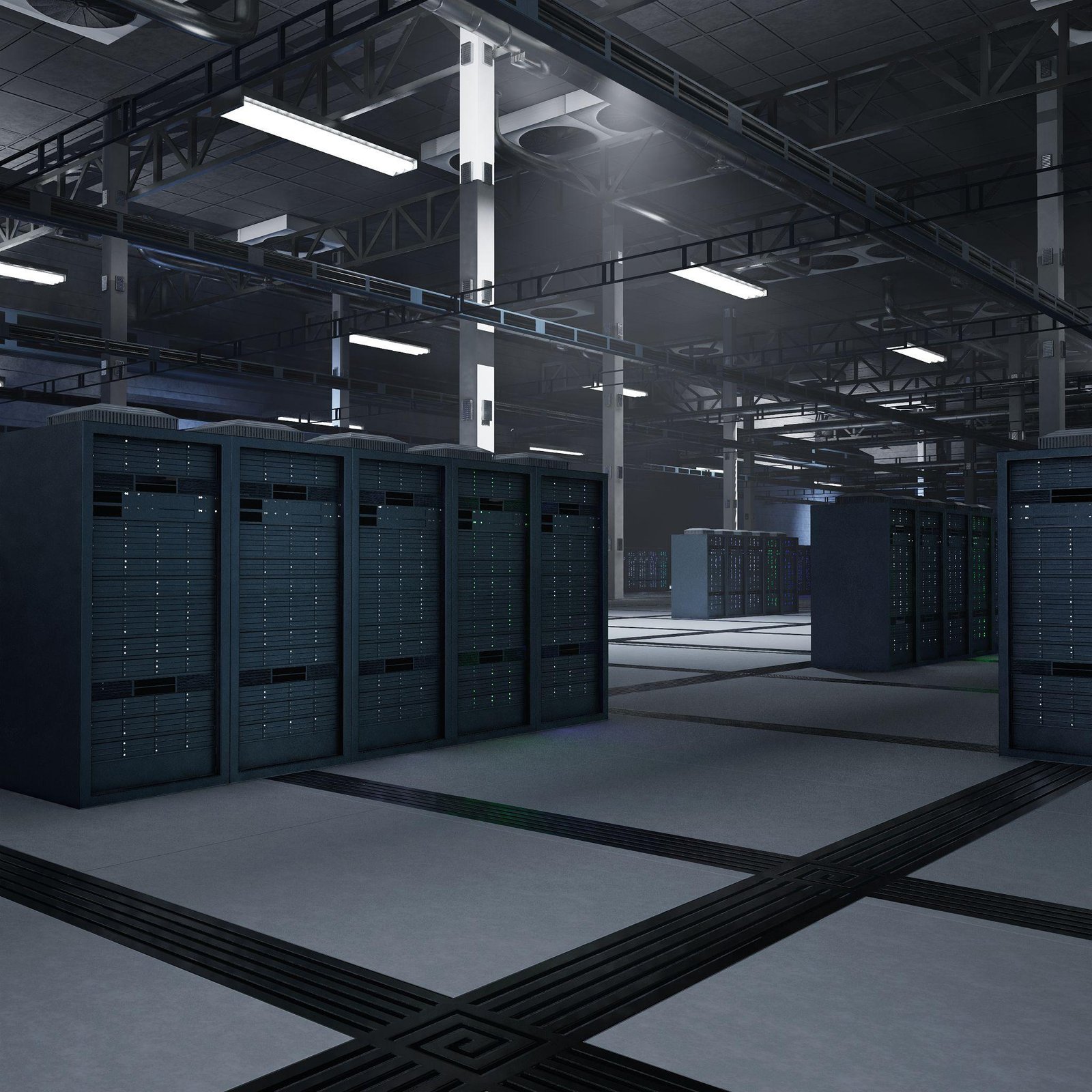

WASHINGTON, D.C.– May 14, 2026 (Washington Insider Magazine) AI server demand continued driving global technology expansion after reports confirmed the United States approved advanced Nvidia H200 chip exports to 10 Chinese firms, signaling another major development in the international artificial intelligence race.
The approval arrives as Nvidia CEO Jensen Huang seeks broader access to China’s growing AI infrastructure market. Industry experts believe the decision could strengthen Nvidia’s dominance in artificial intelligence hardware while easing some pressure surrounding US-China semiconductor tensions.
The H200 processor is among Nvidia’s most advanced AI accelerators designed to power cloud computing systems, generative AI platforms, and enterprise machine learning operations.
Nvidia’s AI Infrastructure Expansion at a Glance
| Category | Details |
|---|---|
| Company | Nvidia |
| Product Approved | H200 AI Chips |
| Chinese Firms Approved | 10 |
| Industry Focus | Artificial Intelligence |
| Main Growth Driver | AI Infrastructure |
| Technology Sector | Semiconductor Industry |
| Key Trend | Cloud Expansion |
| Market Outlook | Strong Growth |
AI Infrastructure Spending Continues Accelerating
Global corporations continue investing billions into artificial intelligence systems and cloud computing infrastructure. Analysts say AI server demand remains one of the fastest-growing segments within the technology sector as businesses race to expand computing power.
Large technology firms are increasing investment in:
- AI data centers
- Machine learning systems
- Cloud infrastructure
- Robotics technologies
- Enterprise automation platforms
This rapid growth has dramatically increased demand for advanced processors and high-performance server systems capable of handling large-scale AI workloads.
“Artificial intelligence infrastructure has become the backbone of the next technology revolution,”
one semiconductor analyst said.
Nvidia Strengthens Its Position in China
China remains one of the largest AI and cloud computing markets globally despite ongoing trade restrictions and geopolitical tensions.
Industry analysts said the latest approvals could help Nvidia maintain stronger relationships with Chinese cloud providers and enterprise technology firms seeking advanced computing hardware.
The rise in AI server demand across China has intensified competition among technology companies looking to secure enough processing power to train and operate advanced AI systems.
Chinese firms continue aggressively expanding artificial intelligence capabilities in areas including:
- Smart manufacturing
- Financial technology
- Healthcare AI
- Robotics
- Autonomous transportation

Jensen Huang Pushes for Expanded Market Access
Nvidia CEO Jensen Huang has repeatedly emphasized the importance of balancing national security concerns with international technology cooperation.
Industry experts believe Huang’s ongoing discussions with regulators and global business leaders helped influence the latest approvals.
The growing level of AI server demand worldwide has made semiconductor policy increasingly important to global economic growth.
Analysts say Nvidia remains central to the AI infrastructure boom because of its dominant position in advanced graphics processing units and AI accelerators.
“The AI race is now a battle for computing capacity and infrastructure leadership,”
one technology strategist said.
History of AI Server Expansion
The global AI infrastructure boom developed rapidly over the past decade as cloud computing and machine learning technologies evolved.
Early growth in cloud services created the foundation for today’s artificial intelligence expansion. As generative AI systems became more advanced, companies required enormous computing power to support large-scale data processing and model training.
This surge dramatically increased AI server demand worldwide and created new opportunities for semiconductor manufacturers and cloud providers.
Technology companies responded by building massive data centers equipped with advanced AI chips capable of handling increasingly complex machine learning tasks.
Experts now compare the current AI infrastructure race to earlier internet and smartphone revolutions.
Semiconductor Industry Faces Rising Pressure
The semiconductor sector remains at the center of global technology competition.
Governments worldwide are increasingly treating advanced semiconductor production as a strategic national priority. Restrictions involving AI chips have also become a major part of geopolitical negotiations between Washington and Beijing.
At the same time, rising AI server demand continues pushing manufacturers to expand production capacity as quickly as possible.
Analysts warn that supply chain disruptions, labor shortages, and geopolitical uncertainty could still affect the semiconductor market moving forward.
Investors Continue Backing AI Hardware Companies
Financial markets continue showing strong interest in companies connected to artificial intelligence infrastructure.
Technology investors view AI hardware manufacturers as critical players in the long-term digital economy.
The rapid growth of AI server demand has supported strong momentum in semiconductor stocks, cloud infrastructure providers, and advanced networking companies throughout 2026.
Analysts believe enterprise AI adoption may continue driving investment across global technology markets for years.
“AI infrastructure spending is shifting from experimentation into permanent enterprise investment,”
one market researcher said.
Cloud Computing Growth Fuels Infrastructure Expansion
Cloud service providers continue building larger data centers to support growing AI workloads.
The expansion of generative AI applications has increased pressure on cloud companies to secure additional computing capacity and improve system performance.
This trend has directly contributed to higher AI server demand as businesses deploy artificial intelligence tools across operations, analytics, and customer services.
Technology experts believe demand for AI servers could remain elevated as enterprises continue integrating AI into daily operations.
Nvidia Faces Increasing Competition
Although Nvidia remains dominant in AI accelerators, global competition continues increasing rapidly.
Major semiconductor firms and technology companies are investing heavily in alternative AI chip technologies designed for machine learning and cloud computing systems.
However, Nvidia still maintains strong leadership in the high-performance AI infrastructure market.
The latest approvals involving Chinese firms may help Nvidia strengthen its position as worldwide AI server demand continues expanding.
The US decision to approve Nvidia H200 chip exports to 10 Chinese companies highlighted the growing importance of artificial intelligence infrastructure in the global economy. The move comes during a period of intense competition surrounding AI development, semiconductor production, and cloud computing expansion.
As enterprises worldwide continue increasing AI adoption, AI server demand is expected to remain one of the strongest growth drivers across the technology sector in 2026. Analysts believe companies positioned within the AI infrastructure market could continue benefiting from one of the largest technology investment cycles in recent history.