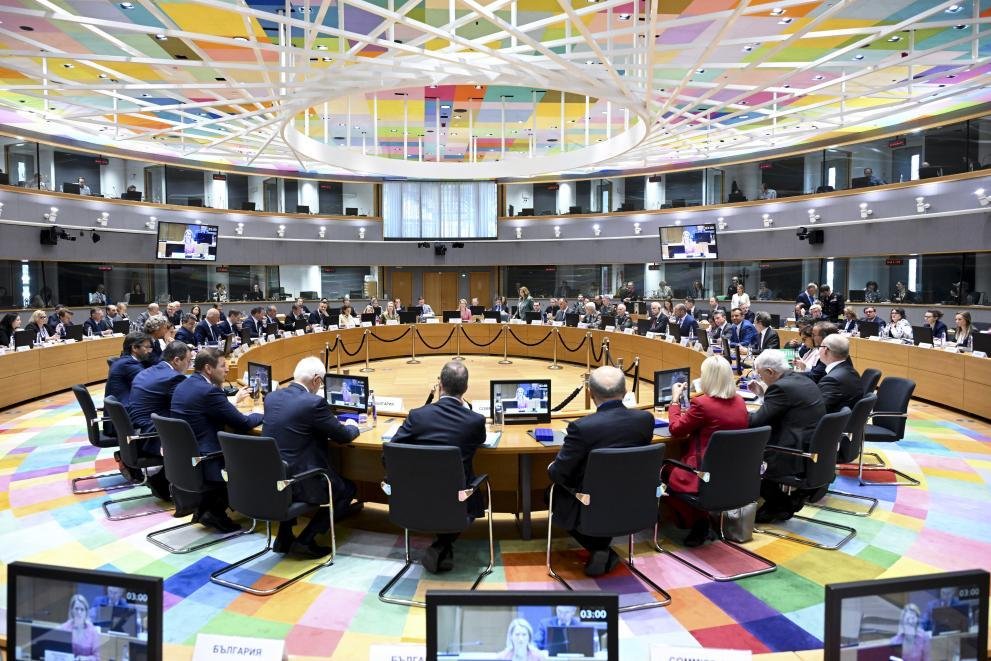
Global Energy Markets Rattled as Russian LNG Sanctions Disrupt Major Gas Trade Routes in Brussels 2026

Russian LNG sanctions are creating new uncertainty across global energy markets as Europe and Asia review gas supply strategies.
Governments and companies are reassessing imports, shipping access, and financial compliance amid rising geopolitical tensions in 2026.
Analysts warn the sanctions could continue impacting LNG prices, trade flows, and global energy security throughout the year.
BRUSSELS, Belgium – May 11, 2026 (Washington Insider Magazine) Russian LNG sanctions are continuing to reshape global energy markets as governments, financial institutions, and energy companies reassess trade relationships tied to Russian natural gas exports. The latest developments have increased uncertainty across Asia and Europe while intensifying concerns about supply stability, pricing volatility, and long-term energy security.
The sanctions environment surrounding Russian liquefied natural gas has become increasingly complex as countries attempt to balance economic needs with geopolitical pressure and international compliance obligations. Several importers are now reviewing energy contracts more carefully amid fears of financial exposure and shipping complications.
Analysts say the ongoing Russian LNG sanctions situation could influence global energy trade throughout the remainder of 2026.
“Energy markets are now being shaped as much by geopolitics as by supply and demand,”
one international energy strategist stated.
Energy Importers Reevaluate Russian Gas Contracts
Governments and private companies across multiple regions are reevaluating agreements tied to Russian LNG supplies following expanded sanctions enforcement and increased regulatory scrutiny.
The Russian LNG sanctions environment has forced importers to examine insurance coverage, banking access, transportation logistics, and payment systems before approving major energy transactions.
Some countries continue purchasing legally permitted cargoes while avoiding shipments that could create regulatory complications or financial risks. Energy companies are also facing pressure from international banking partners that remain cautious regarding transactions involving Russian commodities.
Industry observers note that uncertainty surrounding compliance rules has increased operational costs throughout the LNG sector.
Global LNG Prices React to Market Uncertainty
The growing impact of Russian LNG sanctions has contributed to renewed volatility within international natural gas markets.
Energy traders are closely monitoring supply disruptions, shipping availability, and diplomatic developments that could affect future LNG flows. Europe’s efforts to reduce dependence on Russian pipeline gas have already increased competition for alternative LNG supplies across Asia and other global markets.
Natural gas prices remain highly sensitive to geopolitical developments involving Russia because the country continues to play a major role in worldwide energy production.
Some analysts warn that additional sanctions or shipping restrictions could place further upward pressure on fuel costs.
“Global buyers are looking for stability, but uncertainty continues dominating energy markets,”
one commodity analyst explained.
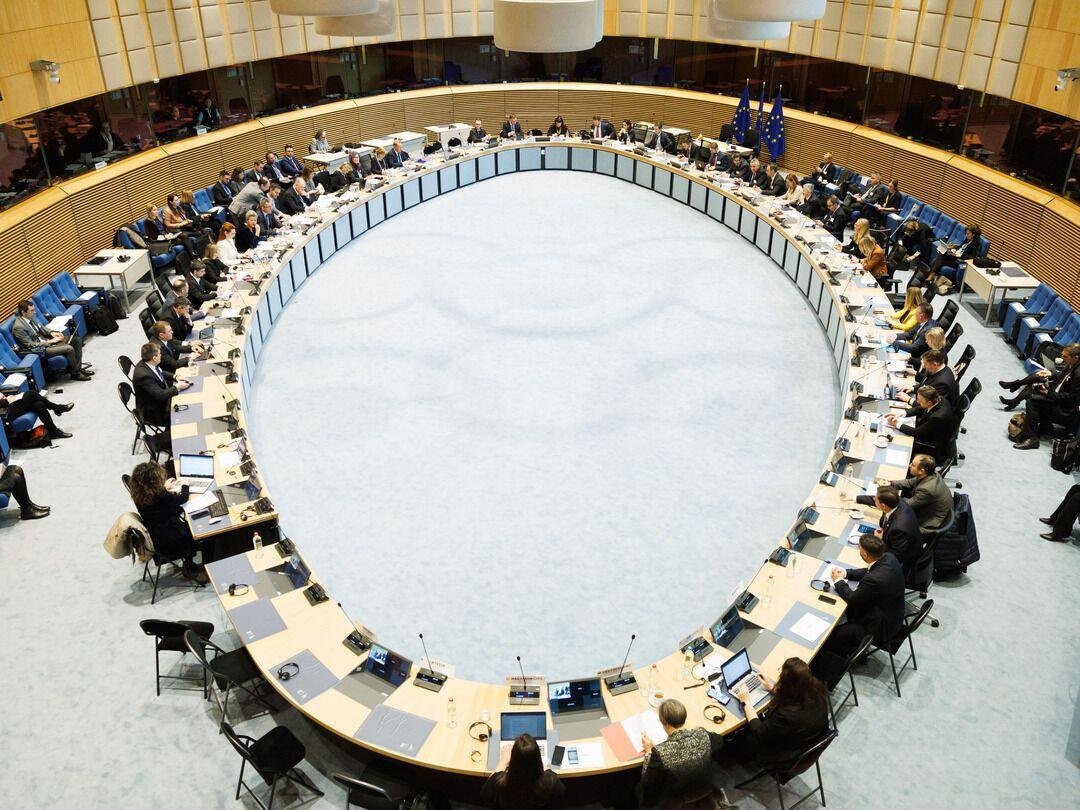
India and Asia Face Difficult Energy Decisions
Asian governments remain heavily dependent on imported fuel supplies to support manufacturing, transportation, and economic growth. The expanding Russian LNG sanctions environment has forced policymakers to carefully balance affordability with geopolitical considerations.
India, China, and several Southeast Asian countries continue evaluating long-term supply strategies while attempting to maintain energy security during periods of rising demand.
Energy experts say Asian importers are increasingly focused on:
- Supply reliability
- Cost stability
- Compliance risks
- Shipping access
- Long-term diversification
- Domestic energy security
The growing demand for LNG across Asia means regional buyers are unlikely to completely withdraw from international gas markets despite ongoing sanctions pressure.
European Energy Policy Continues Evolving
European governments have accelerated efforts to diversify energy sources since tensions involving Russian exports intensified.
The Russian LNG sanctions policies adopted across Europe have encouraged increased investment into renewable energy, LNG infrastructure, and alternative supplier agreements.
Several European countries continue importing LNG from global markets to offset reduced pipeline deliveries from Russia. However, higher energy prices and infrastructure challenges continue creating economic pressure for industries and consumers throughout the region.
Officials say Europe remains committed to strengthening long-term energy resilience while reducing dependence on politically sensitive supply chains.
Historical Shifts in Russia’s Energy Trade
Russia’s Role in Global LNG Markets Changed Dramatically
Russia has historically been one of the world’s largest exporters of oil and natural gas. Before sanctions intensified, Russian energy exports played a central role in supplying fuel to Europe and several Asian economies.
The modern Russian LNG sanctions environment developed following geopolitical conflicts that triggered financial restrictions, export controls, and transportation limitations from Western governments.
As sanctions expanded, Russia increasingly redirected exports toward non-Western markets while buyers worldwide adjusted procurement strategies to reduce risk exposure.
Analysts believe the restructuring of global energy trade caused by sanctions may permanently alter LNG supply patterns for years to come.
“The global energy system is undergoing one of its largest transformations in decades,”
a European energy advisor stated.
Financial Institutions Tighten Compliance Oversight
Banks, insurers, and commodity traders have significantly expanded internal compliance reviews linked to Russian LNG sanctions.
Even when certain cargoes remain legally permitted, financial institutions often require additional documentation and legal verification before processing transactions connected to Russian suppliers.
Shipping companies have also become more cautious regarding routes, insurance coverage, and contract structures involving sanctioned entities.
These added compliance measures have slowed some transactions while increasing overall costs within the global LNG market.
Analysts say the growing role of financial oversight demonstrates how sanctions now influence nearly every stage of international energy trading.
Energy Security Becomes a Political Priority
The expanding impact of Russian LNG sanctions has elevated energy security concerns among political leaders worldwide.
Governments increasingly view stable energy access as critical to economic growth, industrial production, and national security. Rising fuel prices can directly affect inflation, transportation costs, and manufacturing activity.
As a result, many countries are now pursuing broader diversification strategies that include renewable energy projects, alternative LNG suppliers, and expanded domestic infrastructure investment.
Experts believe energy diplomacy will remain a central geopolitical issue throughout 2026.
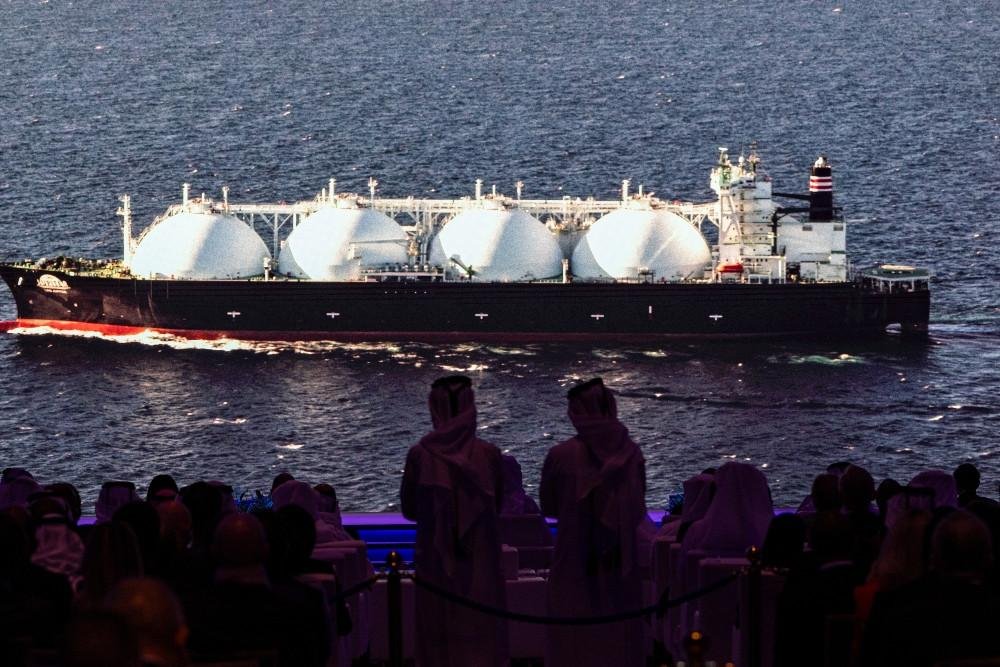
- Primary Issue: Russian LNG sanctions
- Location: Brussels, Belgium
- Year: 2026
- Industry Impacted: Global LNG and energy markets
- Major Regions Affected: Europe and Asia
- Key Concern: Supply stability and sanctions compliance
- Main Market Risk: Energy price volatility
- Global Response: Diversification of energy imports
- Financial Impact: Increased compliance and shipping costs
- Long-Term Focus: Energy security and infrastructure expansion