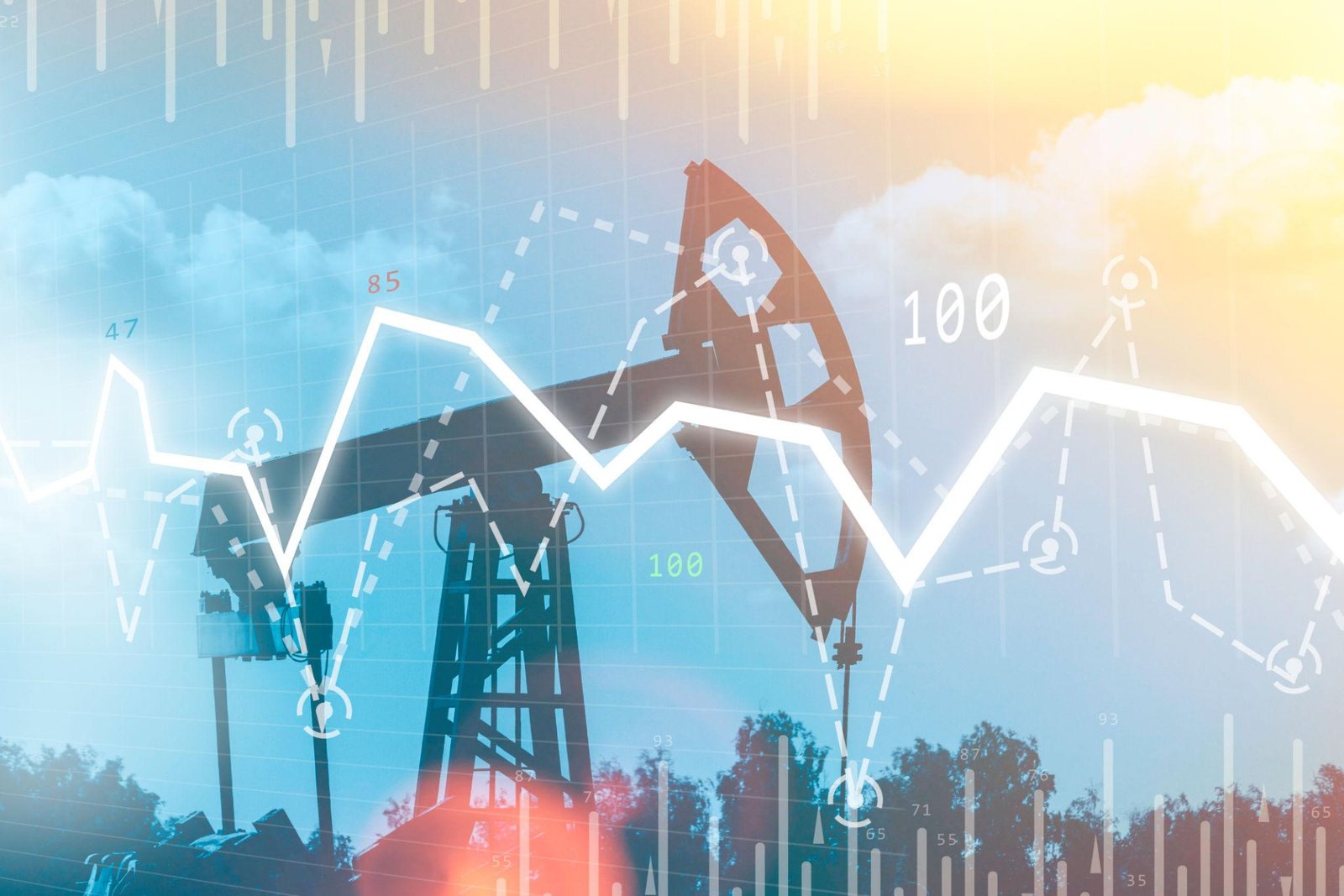
Oil Prices Today Fall Sharply as US and Iran Near Possible Agreement | Washington and Tehran 2026

Oil prices today moved sharply lower after reports suggested the United States and Iran are nearing agreement on a diplomatic memo designed to reduce tensions.
Global investors reacted quickly as energy traders anticipated lower geopolitical risks and improved oil supply stability.
Markets across the world are now closely watching Washington and Tehran for official confirmation of the proposed agreement.
Washngton, D.C. / Tehran – May 6, 2026 (Washington Insider Magazine) Oil prices today dropped across global energy markets after reports emerged that the United States and Iran may be close to finalizing a one-page diplomatic memo aimed at easing military tensions in the Middle East. The development immediately impacted crude oil futures, global equities, airline stocks, and transportation sectors as investors interpreted the reports as a possible turning point in regional stability.
The market reaction was swift. Brent crude futures and West Texas Intermediate crude both declined during overnight trading as traders rapidly reduced geopolitical risk premiums that had been built into oil prices over recent weeks.
Financial markets responded positively to the possibility that military escalation may be avoided. Investors shifted attention toward the potential economic benefits of reduced tensions, including stabilized energy supplies, improved shipping security, and lower fuel costs for businesses and consumers worldwide.
“Markets are pricing in the possibility that diplomacy may replace confrontation,”
one senior energy strategist said.
“That changes the entire outlook for oil and global risk sentiment.”

Global Markets React to Sudden Diplomatic Momentum
The latest developments created immediate volatility across energy and financial markets. Investors had previously feared that growing tensions between Washington and Tehran could threaten shipping lanes, disrupt oil exports, and trigger wider instability throughout the Middle East.
Instead, the new reports suggested both governments may be exploring temporary diplomatic measures designed to prevent further escalation.
The proposed one-page memo reportedly focuses on immediate de-escalation, maritime security, and communication mechanisms rather than a broader long-term agreement. Even so, the possibility of reduced military pressure was enough to send crude prices sharply lower.
Analysts say the market’s response highlights how sensitive global energy systems remain to geopolitical developments involving Iran.
Airline companies, manufacturing firms, and transportation sectors all experienced improved investor sentiment as lower oil prices may eventually reduce operational costs and ease inflationary pressure.
Oil Traders Reduce War Premiums Across Energy Markets
For weeks, energy traders had aggressively priced geopolitical uncertainty into global crude markets. Concerns surrounding possible military conflict pushed oil benchmarks higher as investors feared disruptions involving the Strait of Hormuz, one of the world’s most critical shipping routes.
Now, traders appear to be reducing some of those fears.
Oil prices today reflected changing expectations surrounding supply stability and regional security. Commodity analysts noted that even temporary diplomatic progress can dramatically shift investor positioning.
Some hedge funds and institutional investors reportedly began reducing defensive energy trades following the reports.
At the same time, market experts warned that volatility remains elevated. Any breakdown in negotiations or unexpected military developments could quickly reverse the downward pressure on crude prices.
“The market is optimistic but cautious,”
one geopolitical analyst explained.
“Everything now depends on whether both sides publicly support the framework.”
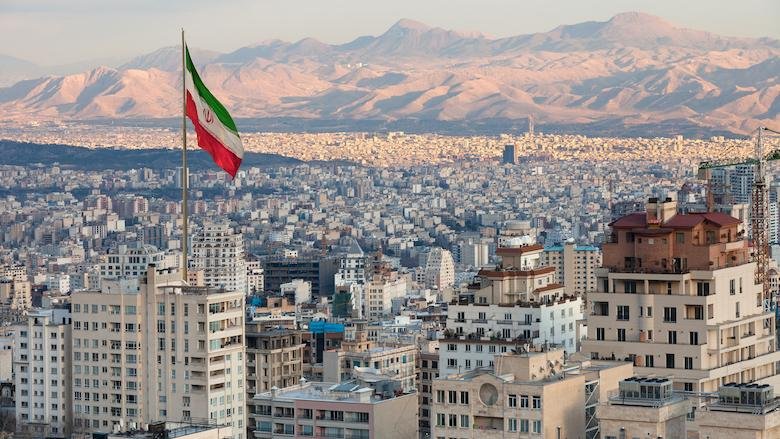
Washington and Tehran Under Global Pressure
International leaders have spent months urging restraint amid fears that a prolonged confrontation could destabilize global markets and increase inflation worldwide.
Several governments in Europe and Asia remain highly dependent on stable Middle East energy supplies, making diplomatic progress especially important for international economic growth.
Reports surrounding the proposed memo emerged after intensified diplomatic communications involving regional intermediaries and international negotiators.
Although neither government has released the full details of the document, sources familiar with the discussions described the memo as a short-term confidence-building measure intended to lower immediate tensions.
The possibility of diplomatic engagement between Washington and Tehran immediately reduced fears surrounding oil infrastructure attacks and shipping disruptions.
How Lower Crude Prices Could Affect Consumers
The sharp decline in energy futures may eventually benefit consumers who have faced rising fuel costs during recent geopolitical uncertainty.
Gasoline prices in many countries had increased significantly due to fears of supply interruptions and shipping instability. Lower crude oil costs could eventually reduce transportation expenses and ease inflationary pressure on household budgets.
Economists say falling energy prices often help industries ranging from agriculture to manufacturing and retail distribution.
Oil prices today became one of the most closely watched financial indicators as investors searched for signs of broader economic relief.
Lower fuel prices could also improve consumer confidence heading into the second half of 2026, especially if inflation continues to moderate globally.
However, analysts caution that retail gasoline prices often lag behind crude oil movements, meaning consumers may not see immediate reductions at gas stations.
History of Oil Shocks and Diplomatic Turning Points
Global oil markets have historically reacted dramatically to political events involving the Middle East. From the 1973 oil embargo to Gulf conflicts and international sanctions, energy prices have repeatedly become tied to geopolitical instability.
Iran’s strategic location and influence over regional shipping routes make developments involving Tehran especially important to global markets.
Previous diplomatic breakthroughs between world powers and Iran have also triggered major oil price movements. Investors often interpret negotiations as signals that supply risks could decline.
The latest developments follow a familiar historical pattern where diplomacy rapidly changes market expectations after periods of elevated tension.
“Oil markets respond faster to fear than almost any other asset class,”
a veteran commodities trader stated.
“Even rumors of diplomacy can move billions of dollars within hours.”
Financial Markets Welcome Signs of Stability
Beyond the energy sector, stock markets around the world reacted positively to the reports.
Technology stocks, travel companies, logistics firms, and consumer sectors all gained momentum during trading sessions following the developments. Investors appeared encouraged by the possibility that lower energy costs could support broader economic activity.
Gold prices and other traditional safe-haven assets experienced increased volatility as some traders shifted away from defensive investments.
Meanwhile, energy company shares faced mixed reactions as lower crude prices may impact future revenue projections.
The broader market response demonstrated growing investor hopes that diplomacy may help stabilize one of the world’s most economically sensitive regions.
Energy Sector Faces New Uncertainty
Oil producers and energy companies are now closely monitoring future diplomatic statements from both governments.
While reduced tensions may support the global economy overall, prolonged declines in crude prices could pressure some energy companies that benefited from elevated market conditions.
Analysts say the next several days may prove critical in determining whether the market reaction becomes a long-term trend or merely a temporary correction.
Oil prices today remain highly sensitive to every diplomatic update emerging from Washington and Tehran.
Investors are expected to remain cautious until formal confirmation of the memo is publicly announced.
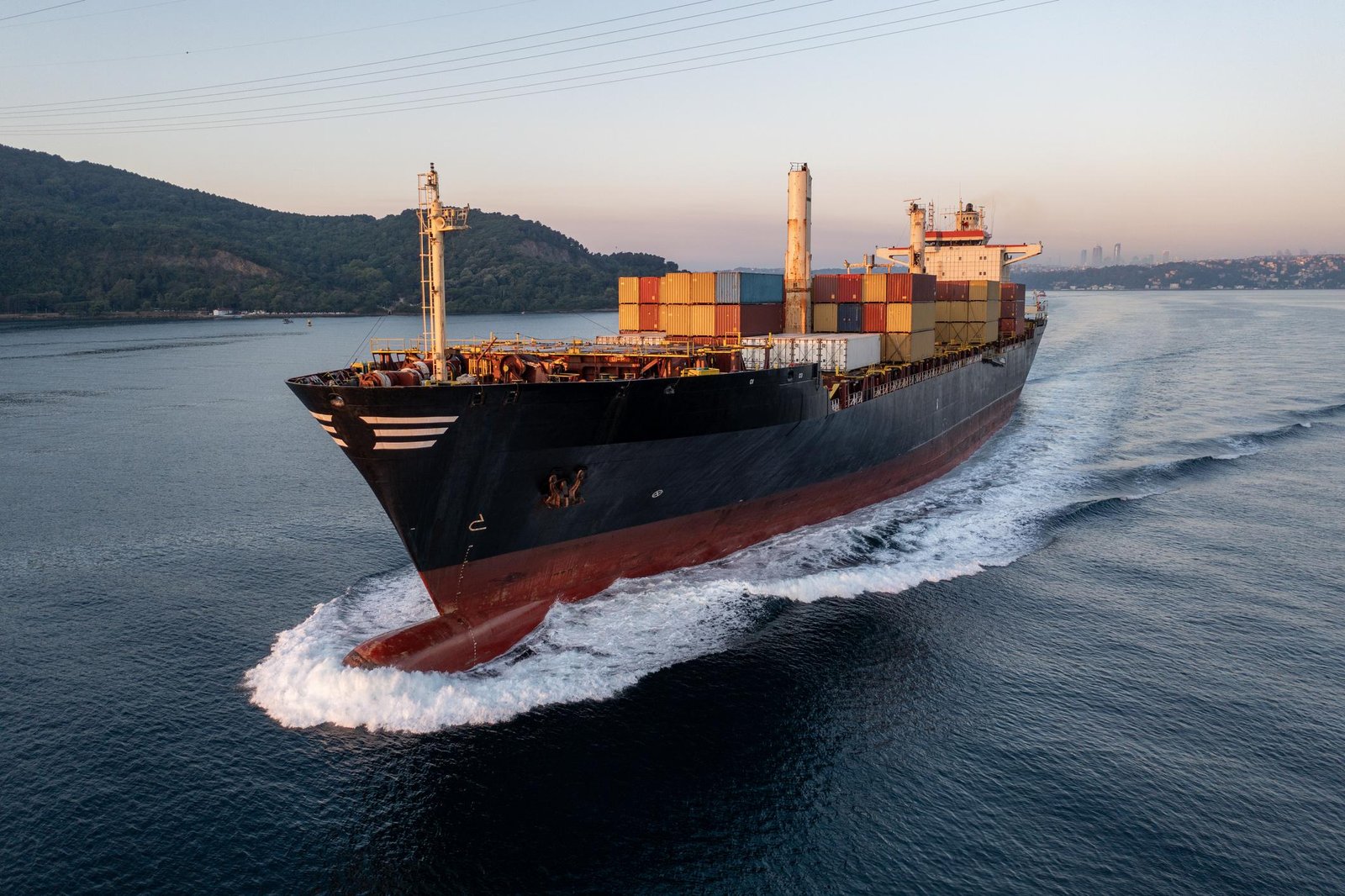
Global Economies Depend on Middle East Stability
The latest developments also highlight the enormous role Middle East stability plays in the global economy.
The region remains central to world energy supply chains, international shipping, and inflation management. Even temporary instability can affect fuel prices, transportation costs, and manufacturing expenses worldwide.
Governments and central banks are therefore paying close attention to the negotiations.
Reduced geopolitical tension could improve economic forecasts for several regions already struggling with inflation, weak growth, and consumer uncertainty.
At the same time, experts warn that the situation remains fluid and vulnerable to rapid change.
Markets Await Official Confirmation
Global markets are now watching closely for official statements confirming whether the United States and Iran will finalize the reported one-page diplomatic memo.
The possibility of reduced conflict has already reshaped investor sentiment, pushing crude oil lower and improving confidence across financial markets.
If diplomacy succeeds, it could ease pressure on global energy systems and provide economic relief for businesses and consumers alike.
For now, traders, governments, and consumers remain focused on developments emerging from Washington and Tehran as the world waits to see whether the diplomatic momentum continues.
Market Impact at a Glance
- Oil markets declined after reports of a possible US-Iran diplomatic memo.
- Investors reduced geopolitical risk premiums tied to Middle East tensions.
- Global stock markets reacted positively to lower energy price expectations.
- Consumers may eventually benefit from reduced fuel costs.
- Markets remain volatile until official confirmation is released.