
Summary
- Trump’s
anti-drug boat campaign may clash with hurricane aid. - Hurricane
Melissa strikes Jamaica as a powerful Category 5 storm. - Melissa
brings catastrophic winds, flooding, and life-threatening conditions.
As the Trump administration launches strikes against
suspected drug smuggling vessels that have killed more than 50 people since
early September, eight warships with over 6,000 troops and several dozen planes
are currently gathered in the area.
However, since the hurricane is expected to be the strongest
storm on record, many of the staff members on these warships are also trained
to respond to natural catastrophes and may readily offer assistance, according
to The Washington Post.
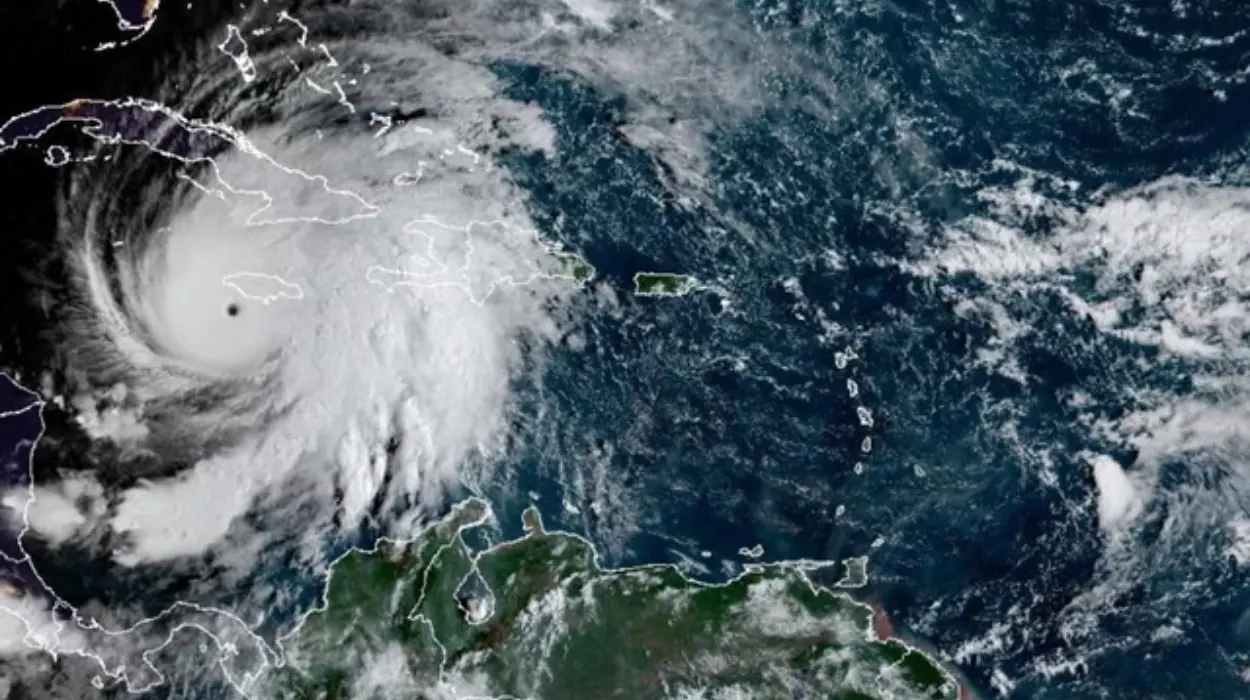
Forecasters warn that Hurricane Melissa, a strong Category 5
storm, will become a “very dangerous and life-threatening situation”
after making landfall in Jamaica on Tuesday. Destructive gusts of 185 mph have
been unleashed by the hurricane, which is predicted to dump up to 30 inches of
rain on the Caribbean nation.
Whether or how the United States will intervene to support
Jamaica during the destructive storm is still up in the air. The president has
been under fire for his prior storm responses, particularly his handling of
storm Maria in Puerto Rico in 2017. Those close to Trump claimed that although
he praised the U.S. reaction as a success, he had been slow to act and was
hesitant to assist Puerto Rico, a U.S. territory.
According to a State Department official who spoke
to the Post on condition of anonymity, the organization has prepared emergency
assistance materials in six warehouses for distribution to storm victims.
According to the official, “additional capability will
not be deployed until a need is identified.”
The source claims that when it is in the best interests of
the United States, the government can offer “lifesaving assistance to
affected countries and people across the country.”
Bryan Clark, a retired Navy officer, told the publication
that the United States can continue its purported counternarcotics mission off
the coast of Venezuela while simultaneously assisting Jamaica.
“The question will be: Does the administration take
advantage of that, or does it use this as a statement regarding its
priorities?”
he said.
“If it chooses to keep the naval force focused on
Venezuela rather than disaster response, it would certainly show how the
administration wants to exercise its defense priorities.”
What legal limits apply to strikes in international waters
during hurricanes?
The United Nations Convention on the Law of the Sea (UNCLOS)
establishes that transnational waters (high seas) are free for navigation and
use by all countries but are reserved for peaceful purposes. The use of
military force is allowed only in exceptional circumstances similar to tone-
defense or with UN Security Council authorization.
A vessel on the high seas is under the governance of its
flag state; force can only be used against it with a clear legal base similar
to pirating, slave trafficking, or if the vessel is stateless. The UN Charter
limits use of force to tone- defense in response to a fortified attack,
taking necessity and proportionality.
There’s no specific impunity or different rule for use of
force during hurricanes, but functional prudence generally prevails
given storm hazards and philanthropic precedences.