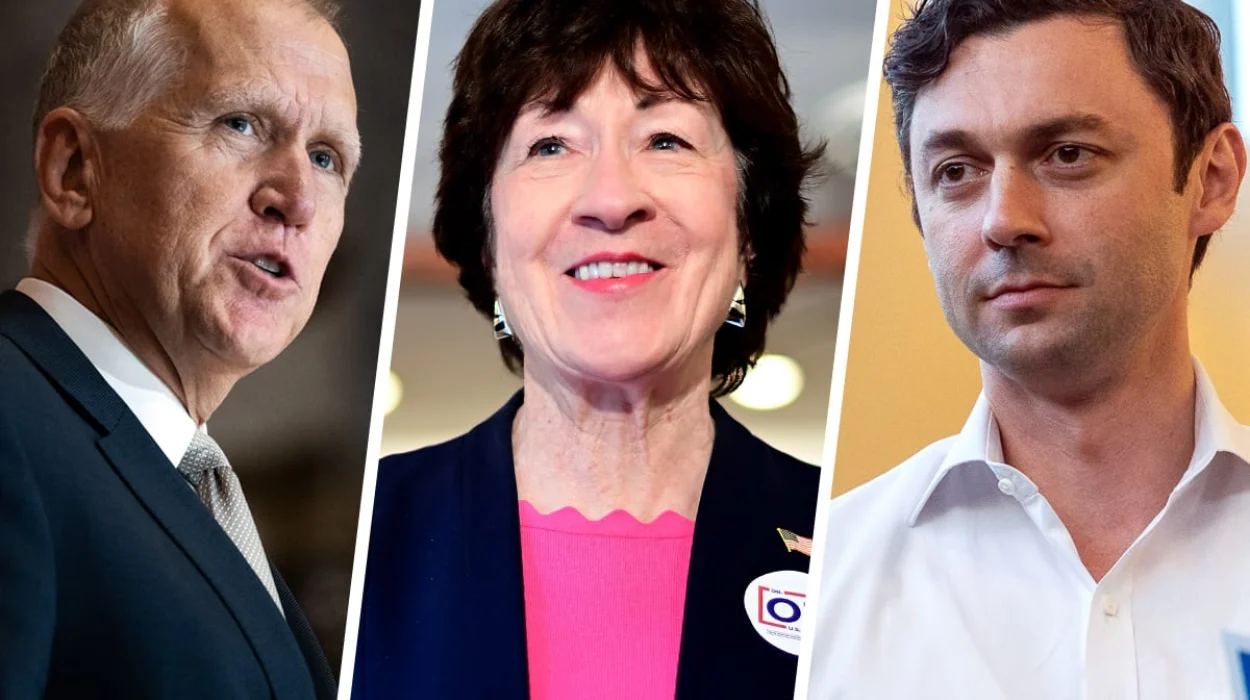

The race for the
United States Senate in 2026 promises to be a pivotal event in shaping the
political landscape in the coming years. With strategic yet unpredictable
dynamics, a mix of seasoned incumbents, emerging challengers, and shifting
voter preferences will determine who manages to secure a seat in the upper
chamber of Congress. As the nation approaches this election cycle,
understanding who is running for U.S. Senate in 2026 remains critical for
political analysts, voters, and stakeholders seeking to anticipate the balance
of power that will influence policy directions across domestic and
international arenas.
The Significance
of the 2026 Senate Elections
The United States Senate is often seen as the chamber that
balances power within the federal government, providing a platform for debating
critical issues, confirming presidential appointments, and shaping legislation
that affects all aspects of Americans’ lives. The 2026 elections will decide
the composition of one-third of the Senate, including many seats that are
currently held by incumbents seeking re-election, retiring members, and open
races due to changing political tides.
The importance of these elections extends beyond who wins or
loses; they reflect and influence the broader political environment. A shift in
the Senate’s partisan makeup could impact everything from economic policy and
healthcare reform to foreign relations and climate change initiatives. As such,
the candidates vying for these seats are closely watched, and the campaigns are
expected to be competitive, spirited, and consequential.
The Political
Landscape: Current Partisan Balance and Predictions
Heading into 2026, the Senate’s partisan composition is finely
balanced, with 53 seats held by Republicans and 45 by Democrats, with two
Independents caucusing with the Democrats. The Republicans currently hold a
narrow edge, but several key races could reshape this balance. Guided by recent
polling and analysts’ predictions, most experts believe the overall landscape
favors the Republican Party, which controls more seats up for election and
benefits from states that lean heavily Republican.
However, political analysts also recognize that the landscape
remains fluid. Factors such as candidate quality, national political moods,
economic conditions, and voter turnout will significantly influence the
outcome. Many races are considered “tossups” states where neither
party has a clear advantage further complicating predictions. Historically,
midterm years often favor the party that does not hold the presidency, and with
President’s approval ratings fluctuating, the 2026 election could follow that
trend or defy expectations.
Key Contests and
Notable Race Seats
Several high-profile seats are attracting attention due to their
potential to swing control of the Senate or symbolize broader political
debates. These include:
- Michigan: The seat held by Senator
Gary Peters, who is retiring, will feature a competitive contest between
Democrats and Republicans aiming to capitalize on the state’s swing voter
tendencies.
- Georgia: A two-cycle battleground
with incumbents and emerging challengers vying to sway one of the closest and
most fiercely contested states in recent elections.
- North Carolina: The outgoing Senator Thom
Tillis’s departure has created a highly contestable race, with both parties
investing heavily to secure a win in this crucial battleground.
- Arizona: Although not listed here
explicitly, Arizona’s recent politics have shown a seismic shift, and candidates
from both parties will be eager to connect with independent and moderate voters.
- Florida: The Florida Senate race is
unique, with a special election set to fill Marco Rubio’s seat for the
remainder of his term, which could carry broader political implications given
the state’s importance in presidential elections.
Each of these states exemplifies the broader trends of
competitiveness and the importance of candidate quality, campaign strategies,
and voter enthusiasm.
Retirements and
Incumbent Challenges
An essential aspect shaping the 2026 race is the retirement of
several prominent senators. As of October 2025, eight incumbents four Democrats
and four Republicans have announced they will not seek re-election, opening the
door for potentially new political dynamics. This wave of retirements
introduces both opportunities and vulnerabilities for party control, as
newcomers might alter the ideological composition of Senate seats.
Retirements also tend to encourage more contested primaries,
increasing the chances of unforeseen candidates winning party nominations.
Moreover, these open seats often attract significant media attention and
financial investment, creating opportunities for challengers to mount viable
campaigns.
The Role of
Opinion Polls and Early Predictions
Polling data is crucial for assessing the trajectory of the 2026
Senate elections. While specific polling figures are continuously updated,
aggregated surveys consistently show a trend favoring Republicans in the
support for open or contested seats. However, polls often fluctuate due to
shifts in national mood, campaign developments, and voter engagement.
Most political rating agencies categorize races according to their
perceived likelihood of party control, with terms like “tossup,”
“lean,” “likely,” and “safe.” The assessment of
these races is dynamic, driven by campaign performance, debate outcomes, and
outside spending. For example, the Georgia and North Carolina races are pyrrhic
battlegrounds that could go either way depending on campaign momentum.
The Impact of
Demographics and Voting Trends
Demographic changes, voter registration efforts, and national
political sentiments are all factors influencing who is running and their
chances of victory. States like Michigan, Wisconsin, and Pennsylvania have
increasingly become battlegrounds due to their shifting demographics and voting
histories. Meanwhile, states like Texas and Florida remain predominantly
Republican but are experiencing demographic shifts, making their races
increasingly competitive.
The importance of youth voters, minority communities, and suburban
electorates continues to grow, with both parties adjusting messaging strategies
to mobilize these key groups. According to studies from the Pew Research Center
and election analysts, voter turnout especially among young and minority voters
will be pivotal in determining the outcome of many races.
Challenges and
Opportunities for Candidates
Candidates for the 2026 Senate races face a multifaceted landscape
filled with challenges, including fundraising, candidate image, and how well
they build coalitions across diverse constituencies. Recent trends show that
incumbents generally enjoy advantages, including name recognition and
established networks, but they are not invincible.
Challengers are leveraging issues such as economic recovery,
healthcare, and education to mobilize voters disillusioned with current
policies. Some races may also see the influence of national crises, like
economic stability or foreign policy challenges, which heighten the stakes and
voter passions.
The Broader
Political Implications
The 2026 Senate elections will have profound implications for
policymaking over the next several years. The Senate’s composition influences
legislation on healthcare, climate change, infrastructure, and technology
regulation. A shift in control can also alter the trajectory of judicial
appointments, foreign policy directives, and the legislative agenda.
Forecasts suggest that should Republicans maintain or expand their
majority, they will likely push for conservative policies, oversight of
executive agencies, and potentially block Democratic initiatives. Conversely, a
Democratic resurgence could facilitate larger legislative achievements and
confirm more judicial appointments aligned with progressive values.
The Path Forward
and Voter Engagement
As the 2026 U.S. Senate elections approach, candidates’ campaigns, party strategies, and voter engagement efforts will shape the
future of American governance. While some races look secure, the dynamic nature
of voter sentiment and external factors means that surprises are always
possible. Ultimately, the identity of the senators who will serve in these pivotal seats will reflect broader
societal issues and the priorities of the American people.
For voters, staying informed about the candidates and participating
in the electoral process remains essential. The 2026 elections will mark not
merely a routine political event but a defining moment that could influence the
nation’s policy landscape for years to come.