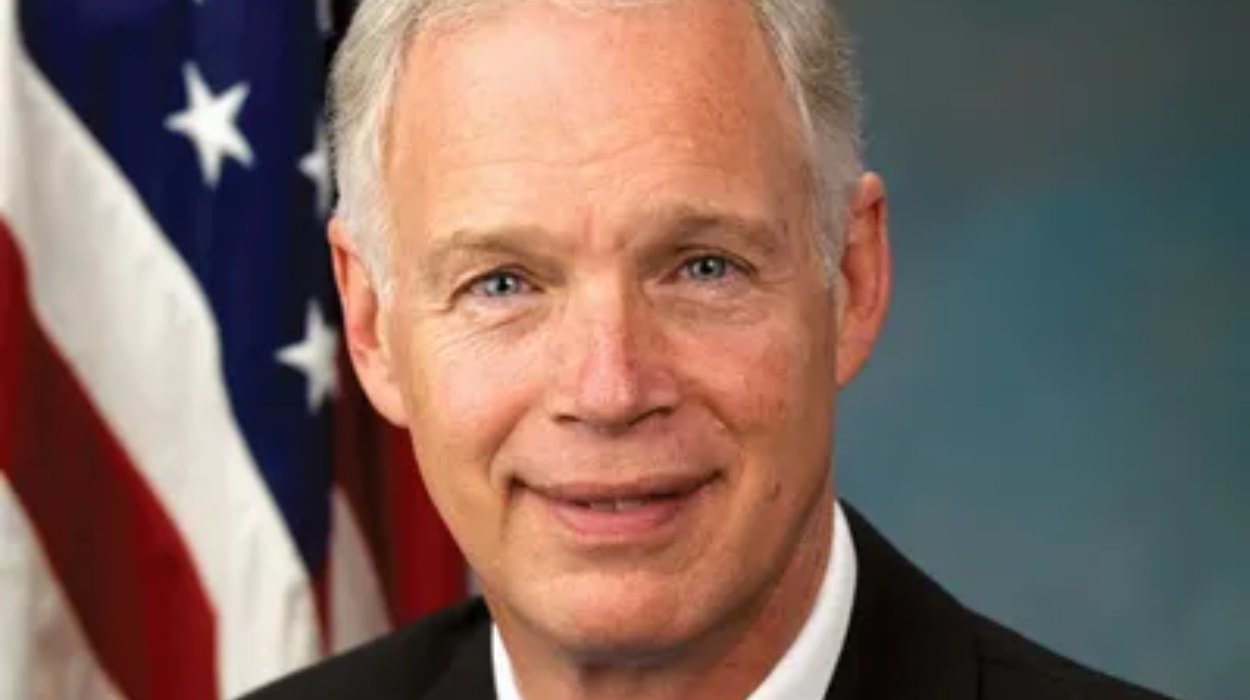

Wisconsin is represented in the United States Senate by two
senators, like every other state. These senators play a vital role in
representing Wisconsin’s interests in the federal government while helping
shape national policies on issues ranging from economic development,
healthcare, and education to national security.
Introduction: The Structure of US Senate Representation
Every state in the United States sends two senators to the Senate,
regardless of population size, to ensure equal representation as mandated by
the U.S. Constitution. Senators serve six-year terms with staggered elections
so that approximately one-third of the Senate is up for election every two
years.
Wisconsin, admitted to the Union on May 29, 1848, has consistently sent two senators to the U.S.
Senate. This balanced representation allows Wisconsin to amplify its voice on
the federal stage, serving interests that reflect its distinct economy,
demographic diversity, and political culture.
Wisconsin Senators in 2025: Ron Johnson and Tammy Baldwin
As of 2025, Wisconsin’s current senators are Ron Johnson, a
Republican serving since 2011, and Tammy Baldwin, a Democrat serving since
2013. This bipartisan pairing makes Wisconsin one of the few states with a
split Senate delegation.
Senator Ron Johnson
Ron Johnson gained office in 2011 and has been re-elected multiple
times. A businessman before entering politics, Johnson’s legislative priorities
include economic growth, fiscal conservatism, national security, and
manufacturing resurgence—priorities that align with key sectors of Wisconsin’s
economy.
Johnson’s committee assignments typically include those relevant
to homeland security, finance, and commerce. His influence extends across promoting
infrastructure investment, supporting veterans, and championing conservative
policy initiatives.
Senator Tammy Baldwin
Tammy Baldwin, elected in 2012, made history as Wisconsin’s first
female senator and the first openly gay U.S. senator. A former member of the
House of Representatives, Baldwin is known for her advocacy on healthcare
reform, workers’ rights, environmental protection, and LGBTQ+ issues.
As a Democratic senator, Baldwin focuses on making education
accessible, expanding healthcare coverage, and supporting progressive economic
reforms. She serves on committees responsible for health, education, and labor
policy.
The Historical Context of Wisconsin Senate Representation
Since statehood, Wisconsin has seen a diverse roster of senators
representing major political parties over the decades. It has produced
long-serving senators such as William Proxmire, who served from 1957 to 1989
and holds the record as the state’s longest-serving senator.
The state’s Senate delegation historically has shifted between
Republican and Democratic control, reflecting Wisconsin’s status as a
battleground state with a politically engaged electorate that values both
economic conservatism and progressive social policies.
Role and Impact of Wisconsin Senators
Wisconsin’s senators influence federal legislation, budget
appropriations, judicial appointments, and international policies. They
advocate for policies that address:
- Agriculture and rural
development, vital in Wisconsin’s dairy and crop production. - Manufacturing and trade policies supporting the
automotive and paper industries. - Healthcare accessibility, particularly for rural and
underserved communities. - Education funding and innovation aligned with workforce
needs. - Environmental sustainability tied to the Great Lakes
and natural resources. - National security concerns affecting Midwestern defense
installations.
The senators also engage with constituents to ensure federal
policies resonate with Wisconsin’s unique cultural and economic landscape.
Electoral Cycles and Senate Classes in Wisconsin
Wisconsin’s Senate seats belong to Class 1 and Class 3. The Class
1 seat last held an election in 2024, with the next scheduled for 2030. The
Class 3 seat was contested in 2022, with the following election set for 2028.
The staggered election cycle maintains continuity and experience
within the Senate while providing voters periodic opportunities to evaluate
their representatives.
Wisconsin’s Influence in the Senate and National Politics
Though mid-sized in population, Wisconsin’s Senate delegation
holds significant sway especially in close Senate votes. The state’s political landscape,
characterized by a divided electorate, often positions its senators as swing
votes or key coalition builders.
Bipartisan representation from Wisconsin fosters dialogue across
party lines and embodies the state’s pluralistic values. The senators’ ability
to bridge partisan divides plays a crucial role in legislative negotiations on
critical national issues.
Wisconsin’s Senate Representation and Its Continuing Role
Wisconsin has two U.S.
senators as of 2025 Ron Johnson
and Tammy Baldwin who personify the state’s political and cultural diversity.
Their legislative roles, electoral mandates, and policy priorities underscore
Wisconsin’s importance in the federal system and highlight how the state’s
interests are defended at the national level.
Understanding how many US senators Wisconsin has and who they are
is essential to appreciating the state’s political voice and its contributions
to shaping America’s future.