
Summary
- Turkish
President Erdogan visited White House, first time since 2019. - Aim:
strengthen US-Turkey ties, discuss trade, defense, Gaza conflict. - Erdogan
seeks lifting of sanctions, access to F-35 jets.
According to Turkish officials who asked not to be named
because the agreements have not been finalized, Thursday’s meeting with
President Donald Trump is expected to pave the way for Turkey to purchase more
than $50 billion worth of liquefied natural gas and everything from Boeing Co.
aircraft to Lockheed Martin Corp. fighter jets.
Erdogan views the summit as an opportunity to mend fences
damaged by retaliatory tariffs and purchases of Russian weapons.
As the largest economy in the Middle East, investors view
Turkey’s role in a Western alliance as crucial, and it still relies on US
military and diplomatic support to preserve regional influence. Since Trump
announced the White House visit last week, Turkish stocks and government debt
have increased due to expectations of a thaw with Washington.
“Erdogan wants to leverage the Trump presidency to reshape
and improve Turkey-US relations, with a focus on improving defense ties,”
said
Emre Peker, the London-based Eurasia Group Europe director.
“The energy and
defense deals Erdogan is pursuing are key pillars of a mutually beneficial,
transactional relationship that would also appeal to Trump’s dealmaking
instincts.”
Since their uncomfortable White House encounter
in November 2019, the two leaders have made significant progress. Washington
sanctioned several Turkish cabinet ministers when Turkey launched a military
invasion against US-backed Kurdish fighters following Trump’s earlier that year
commitment to withdraw troops from Syria.
When then-Vice President Mike Pence mediated a ceasefire
that allowed American-backed forces to withdraw from the Turkish line of fire,
the alliance just missed disintegration.
After six years, including a fully Democratic presidency
when Washington barely gave Turkey any attention, Erdogan and Trump would both
benefit from improved relations. Trump has an easy trade-deal triumph since
Turkey is willing to accept some of the US’s energy and military requirements.
“Erdogan, who prioritizes remaining president, aims to avoid
jeopardizing his career path with any problems stemming from the US or Trump
until an election in 2028 or earlier,”
said Nihat Ali Ozcan, a strategist with
Ankara-based think-tank TEPAV.
The largest share of Thursday’s potential deals could be in
aviation. Boeing and Lockheed Martin may see orders of as many as 250
commercial jets along with additional F-16 fighters, the Turkish officials
said.
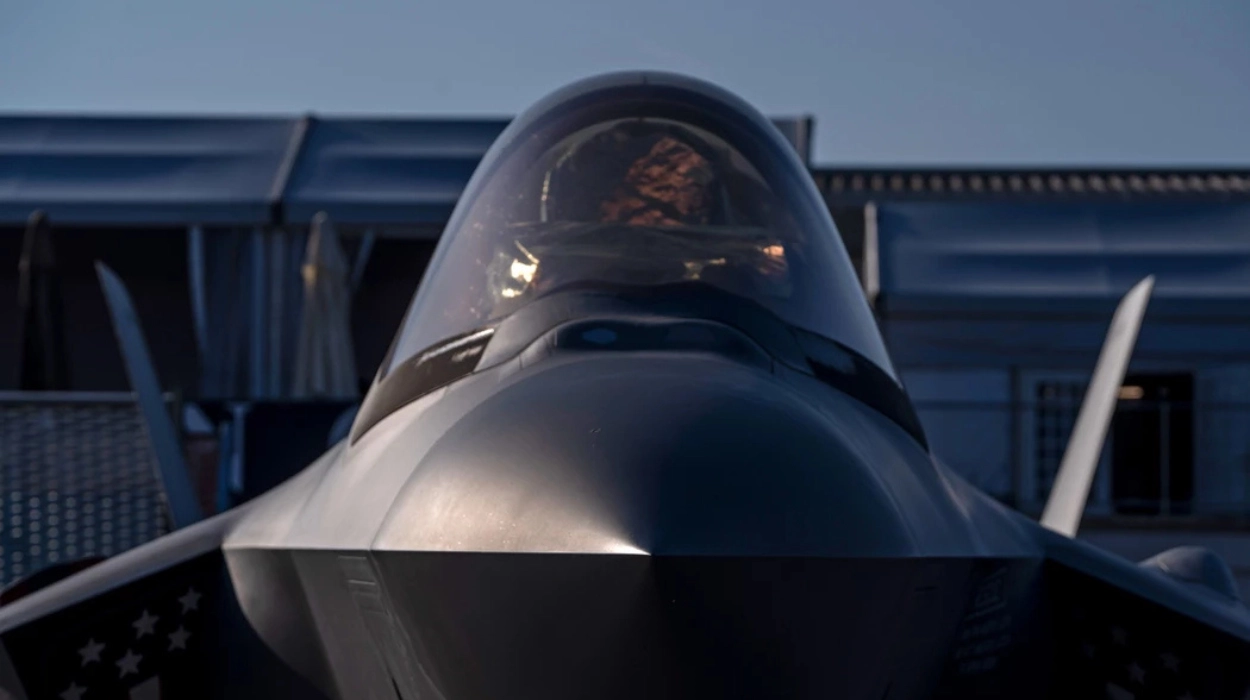
Trump said last week there was a chance to resolve the
long-running logjam over F-35 stealth aircraft. Turkey was an original partner
in developing Lockheed’s most advanced warplane but was ejected from the
program after buying Russia’s S-400 air defense system. That purchase resulted
in congressional sanctions, known as CAATSA, that targeted Turkey’s defense
industry and still remain in place.
On Wednesday, Turkey announced long-term contracts with
Woodside Energy Group Ltd. and Mercuria Energy Group Ltd. to buy approximately
76 billion cubic meters of LNG, mostly from US plants.
“Turkey signals a strategic pivot toward rebuilding trust,
particularly after tensions over defense ties with Russia and divergent foreign
policy positions,”
said Umud Shokri, a senior foreign policy adviser at Middle
East Institute, a think tank in Washington.
Defense agreements and gas supplies would support bilateral
trade, which both nations have stated they aim to quadruple to roughly $100
billion annually. According to data from the International Monetary Fund,
exports were roughly balanced in both directions, which allowed Turkey to only
be subject to 15% US tariffs on its goods—one of the lowest rates Trump levied
on rivals in August.
However, he stated that the “delicate balancing
act” between Russia and the West is a risk element that creates
uncertainty.
In order to broker an agreement between Kurdish militants in
Syria and forces loyal to President Ahmed al-Sharaa’s new administration in
Damascus, Turkey is depending on US assistance.
Kurdish groups in Syria have been seen by Ankara as a
continuation of the PKK, the rebel group it has fought alongside for over 40
years. The PKK just committed to disarm itself after being labeled a terrorist
organization by the US and EU.
Erdogan’s desired reset is threatened by divergent regional
policies, such as his vocal criticism of US partner Israel, which “may not
allow him to establish long-term stability in Turkish-US relations through
economic concessions,” according to Ozcan.
What trade and defense deals are likely to be discussed at
the meeting?
Turkey has been asking to rejoin the F-35 fighter jet
program from which it was ousted in 2019 for acquiring Russian S-400 air
defense systems. Some discussion included the possibility of lifting sanctions
and potentially allowing Turkey to buy F-35 jets.
Turkey is negotiating the purchase of 40 advanced F-16 jets,
with upgrades, to further bolster its NATO air fleet capabilities.
Additionally, they spoke about selling the US Patriot air defense missile
system to Turkey.
A major trade deal is awaited with Turkey purchasing Boeing
commercial aircraft, with a focus on the 787 and 737 jets, as well as General
Electric engines, in order to modernize its airline fleet.