
Summary
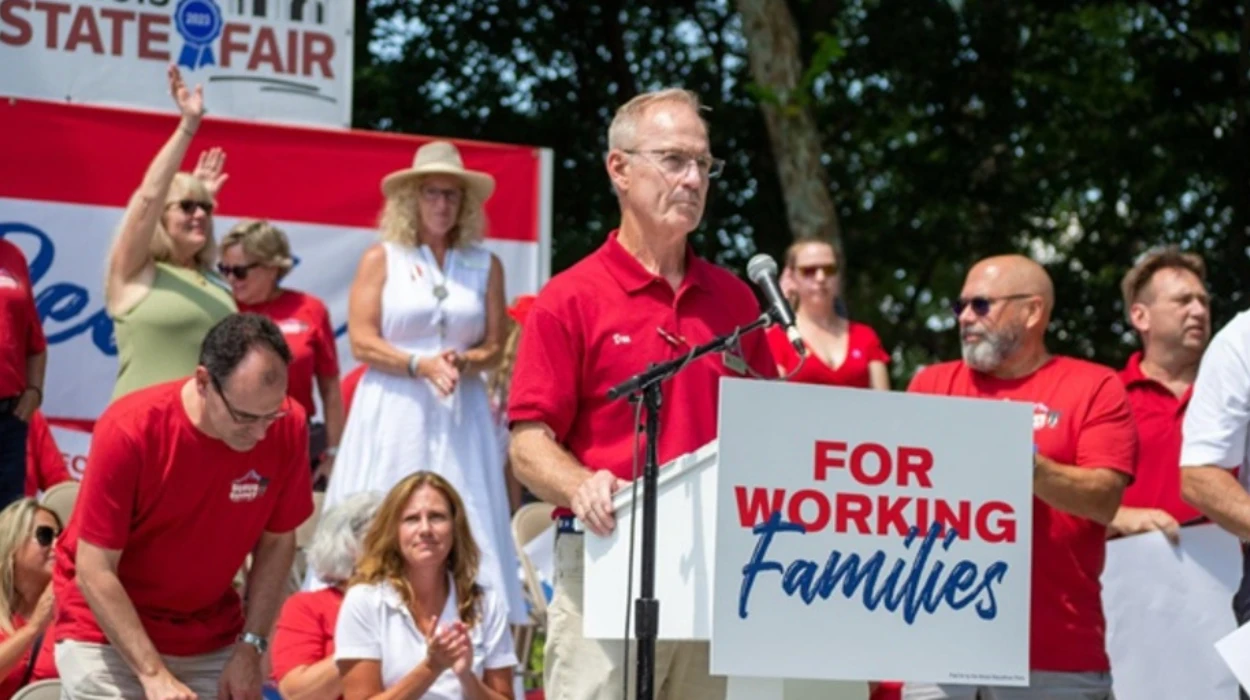
- Don Tracy, former Illinois GOP Chair, announced Senate
bid. - Running for the seat vacated by Democrat Dick Durbin.
- Focuses on fighting for small businesses, working
families. - Emphasizes representing all Illinois, not just Chicago.
- Facing four other Republican candidates; primary in
March 2026.
Tracy joins the current five-way contest for the
GOP nomination for the seat. Tracy previously held the position of chair of the
Illinois Gaming Board in addition to other public positions.
“I’ve spent my career fighting for small
businesses and working families, and I’m ready to take that fight to the U.S.
Senate,”
the Springfield resident said in a news release.
R. Cary Capparelli, Pamela Denise Long, Casey
Chlebek, and John Goodman are the other Republican contenders. None have experience in elected office.
March 2026 is the date of the primary election.
Tracy mentioned his downstate origins and stated
that if elected to the Senate, he would represent “all of Illinois, not
just Chicago.”
“Too many of our politicians seem to forget
Illinois has 102 counties, and the working families in every county deserve to
have their voices heard,”
he said.
The Democratic candidates for the Senate seat
are U.S. Rep. Raja Krishnamoorthi, Lt. Gov. Juliana Stratton, U.S. Rep. Robin
Kelly, Kevin Ryan, Christopher A. Swann, Stanley Leavell, Awisi Bustos, Jump W.
Shepherd and Adam Delgado.
Independents Tyrone Muhammad and Austin J. Mink
also are running.
How does Tracy’s background influence his
chances in Illinois politics?
Tracy is a former chair of the Illinois
Republican Party and served as chairman of the Illinois Gaming Board during
Gov. Bruce Rauner’s administration.
His leadership roles in the GOP give him strong
name recognition within Republican circles and connections to the party’s donor
base. Despite stepping down as chair last year, his name still carries weight
among Illinois Republicans.
As a Springfield attorney and businessman, Tracy
appeals to voters outside the Chicago metropolitan area, which is significant
since he is the first GOP chairman since 1988 not from Chicago or its collar
counties. This regional appeal could help him broaden his support within the
state’s more rural and conservative areas.