
Summary
- Trump extends US-China trade truce for 90 days.
- Tariffs remain at 30% US, 10% China.
- Moves prevent new tariff hikes on imports.
- Talks continue on trade and security issues.
- Possible future summit with Xi Jinping discussed.
The extension, until Nov. 10, gives the
countries more time to work out their differences and sets the stage for a
potential summit between Mr. Trump and Xi Jinping, China’s leader, later this
year. Mr. Trump suggested on Monday that there had been progress in the
negotiations.
“They’ve been dealing quite nicely — the
relationship is very good with President Xi and myself,”
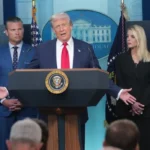
Mr. Trump said at the
White House.
Top economic officials had been working to finalize a provisional agreement, reached during meetings in
Sweden last month, to extend the truce. The deadline for the truce to expire
was Tuesday.
American officials were hopeful that the
president would approve the deal during the Sweden meetings, but Mr. Trump
dramatically postponed the pause until the last few hours before the deadline.
They would have run the risk of intensifying the trade battle between the two
biggest economies in the world, which shook international markets earlier this
year, had the tariffs suddenly been reinstated.
As time runs out, Mr. Trump urged China to buy
four times as many American soybeans as it currently does, pointing out that
this would help close the trade gap between the United States and China.
“China is worried about its shortage of
soybeans,”
Mr. Trump wrote on Truth Social in a message directed to Mr. Xi.
“Our great farmers produce the most robust soybeans.”
Mr. Trump’s economic advisors were hopeful that
another 90-day extension would be approved following the July negotiations in
Sweden. In the absence of an agreement, U.S. tariffs on Chinese imports might
go to 80 percent, according to U.S. Trade Representative Jamieson Greer.
However, Treasury Secretary Scott Bessent played down the prospect, stating
that only technical details remained to be worked out.
The discussions now cover more ground than just
tariffs. According to Mr. Bessent, he was bringing up American concerns with
his Chinese counterparts over China’s surplus manufacturing capacity and its
purchases of oil from Iran and Russia.
The Trump administration has adopted a
transactional negotiating strategy in spite of its national security concerns on
the trade in semiconductors and other goods. As part of a very unusual deal
with the Trump administration, Nvidia and Advanced Micro Devices are slated to
give the US 15% of the profits they get from selling AI chips to China.
The Trump administration’s negotiations with
China have been proceeding independently of those with other nations. Japan,
South Korea, and the European Union agreed to decrease tariffs in exchange for
U.S. investments in trade agreements the U.S. unveiled this month.
How does extending the US-China trade truce
affect global economic stability?
The extension has injected fresh optimism into
global financial markets, resulting in rallies and improved investor sentiment.
It prevents the shock of sudden, steep tariff hikes that would have negatively
affected stock markets, particularly in sectors heavily reliant on China.
Companies dependent on Chinese manufacturing and
imports, such as technology firms, retailers, and automotive makers, benefit
from predictable trade policies for the critical upcoming holiday and business
seasons. This stability helps avoid costly disruptions and price increases.
The delay allows businesses to better plan
inventories and operations without the immediate burden of tariff-related cost
surges, ultimately protecting consumers from price spikes on goods like
electronics, apparel, and toys.