
Summary
- The Senate voted to cut $1.1 billion from CPB funding.
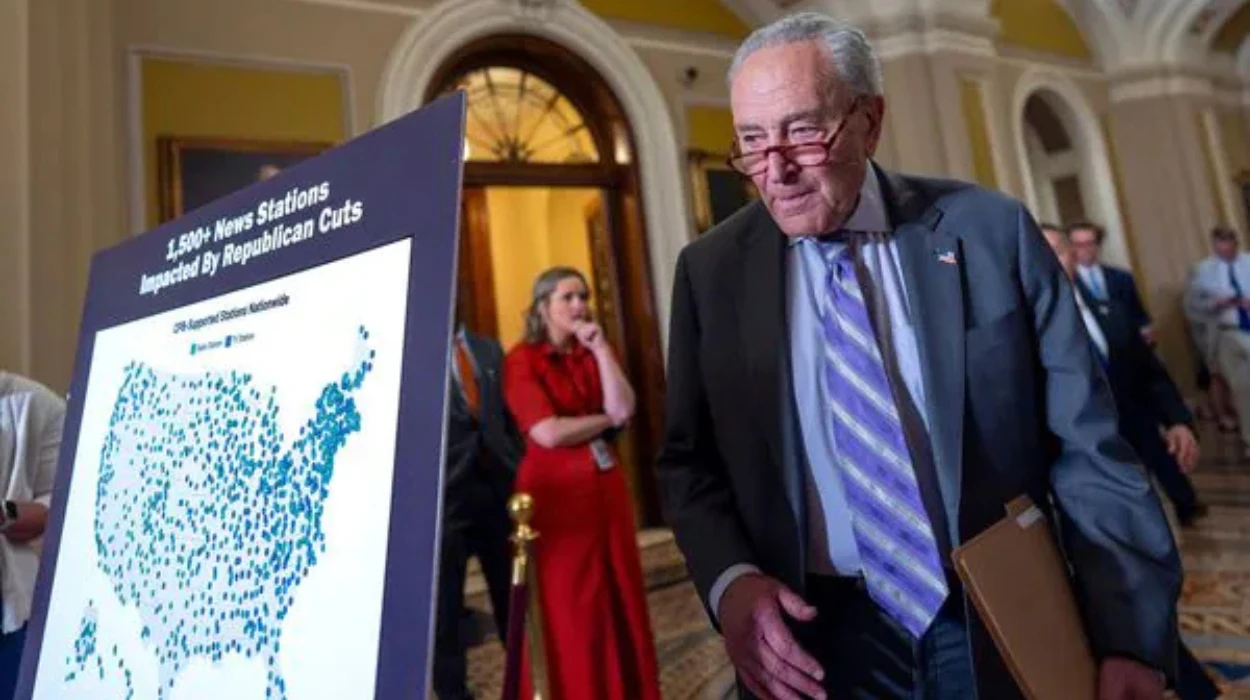
- Funding cut affects 1,500 local public TV, radio
stations. - PBS and NPR face severe financial challenges ahead.
- The majority vote was narrow, mainly along party lines.
- Cuts criticized for harming rural and smaller stations.
“American taxpayers should not be forced to
subsidize programming that glorifies radical gender ideology in schools or
pushes to defund the police,”
Schmitt said Wednesday.
Sen. Bernie Sanders, an independent from
Vermont, argued that the Trump administration is seeking to shut down public
broadcasting because it represents an independent voice.
“Trump, like all authoritarians, doesn’t like criticism
or objective reporting,”
Sanders said on social media.
“He just wants to be flattered. That’s why he
wants to defund NPR and PBS.”
Starting in October, the vote cuts $535 million
a year for two years. Local stations in rural areas, where CPB financing can
account for a significant portion of total revenue, are anticipated to bear the
brunt of the reduction.
Arizona Democrat Sen. Ruben Gallego claimed that
his state’s rural stations will be devastated by the financial cuts. Democrats
cautioned that children’s shows like “Sesame Street” and “Daniel
Tiger,” which are unsustainable on commercial television, will be
threatened by the cuts.
“Without PBS and local member stations,
Americans will lose unique local programming and emergency services in times of
crisis,”
a PBS spokesperson said.
The House voted in June to claw back the
funding, on a vote of 214-212. The Senate passed a procedural vote on the
rescission on Tuesday night, with Vice President J.D. Vance breaks a 50-50 tie.
Three Republican senators — Lisa Murkowski, Susan Collins and Mitch McConnell —
joined 47 Democrats and independents in voting no.
The House has until Friday to concur on the
vote.
How will the budget cuts affect programming at
local stations impacted by CPB funding loss?
Many local stations, especially those in rural
areas, rely on CPB funding for the majority of their operating budgets. Without
federal support, they may have to drastically reduce their programming,
cancelling locally produced news, music, cultural shows, and dedicating less
coverage to city hall, community events, or local affairs.
Stations could lose access to beloved children’s
programming like “Sesame Street” and other PBS Kids content, especially in
markets unable to cover licensing fees without federal aid.
Staffing reductions, consolidation of
operations, and in the worst cases, permanent closure of stations are likely,
as reflected by layoffs in New Jersey’s PBS and downsizing already underway in
several smaller markets.