
Summary
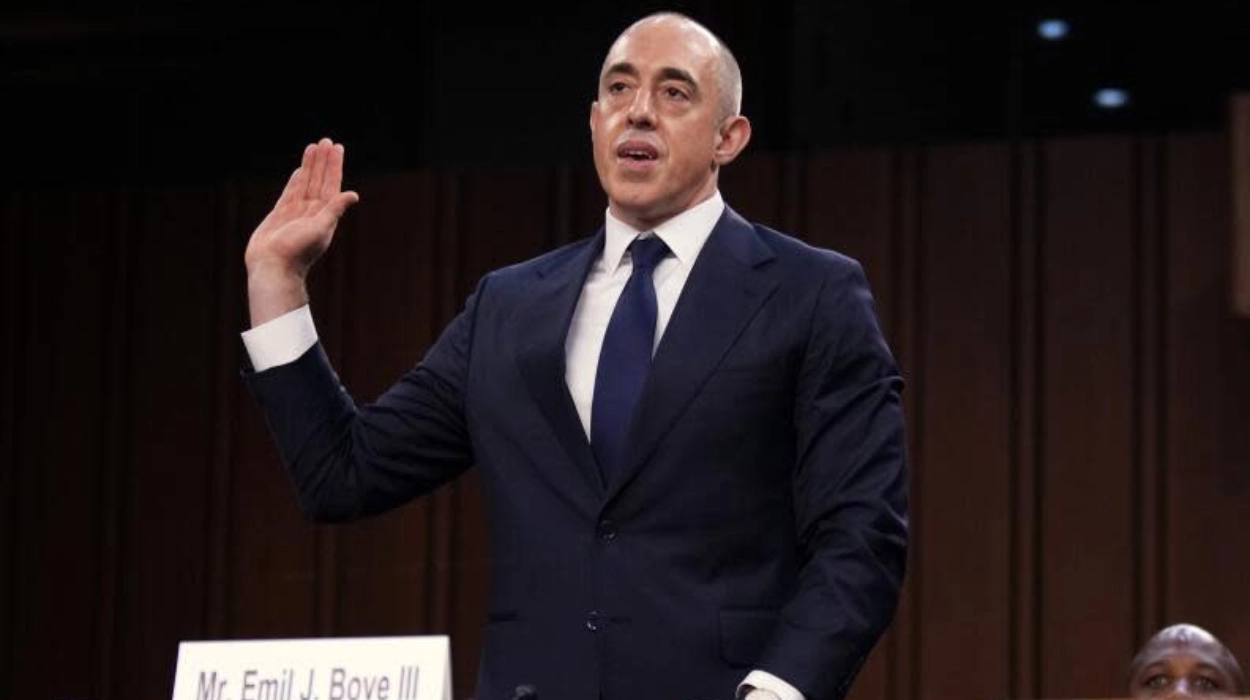
- Senate confirmed Emil J. Bove, 50-49 vote.
- Trump’s defense lawyer appointed to the Appeals Court.
- Strong Democratic opposition due to ethics concerns.
- Led purge of Jan. 6 prosecutors, FBI agents.
- Some Republicans opposed, most supported confirmation.
The result was 49 to 50 on Tuesday night.
Bove, 44, supervised a purge of prosecutors and
FBI agents who had worked on cases stemming from the attack on the Capitol on
January 6, 2021, which made him a highly unpopular judicial nominee—not because
of his legal opinions.
The Justice Department has a longstanding policy
of excluding politics from law enforcement until this past year.
Bove and Atty. Gen. Pam Bondi, however, believed that their objectives were fulfilling President Trump’s demands,
including his intentions for revenge against the 1,500 Trump supporters who
rushed the Capitol and engaged in combat with police, as well as his
preparations for retaliation against the prosecutors and investigators who
filed charges against him.
Additionally, Bove directed New York federal
prosecutors to drop Mayor Eric Adams’ bribery and corruption accusations. Many
of them resigned in response to the action, which they perceived as an
unethical pact to get the mayor’s support for the administration’s strategy to
apprehend illegal immigrants.
Bove was also a major player in the dispute
between the new government and a federal judge on the deportation of
Venezuelans to a cruel jail in El Salvador.
According to a former Justice Department lawyer
who is now a whistleblower, Bove advised government attorneys to disregard the
judge’s orders to stop the deportations.
Bove claimed to have been unfairly insulted and
misunderstood when he went before a Senate committee as a judicial nominee.
How might Bove’s controversial record impact his
decisions as a circuit judge?
Bove has been accused of prioritizing former
President Trump’s agenda over the rule of law, with whistleblowers and critics
asserting that he has subordinated legal principles to political loyalty. This
raises concerns that as a judge, he might favor decisions that align with
partisan or ideological perspectives rather than impartial justice.
Reports describe Bove as having displayed
hostility towards defendants, defense attorneys, and even his own colleagues,
showing a combative and sometimes abusive style in his previous roles.
This temperament suggests he may approach
judicial duties with harshness that could undermine fairness and due process
for litigants, particularly marginalized parties.