
Summary
- Israeli
Prime Minister Benjamin Netanyahu is set to hold a high-level security
meeting. - The
meeting aims to discuss an expansion of military operations in the Gaza
Strip. - This
development follows escalating conflict and Israeli military actions in
Gaza. - Netanyahu
has emphasized the need for strengthened security measures amid ongoing
hostilities. - The
international community remains watchful, with concerns about further
escalation. - Security
officials and military leaders will participate in the meeting. - The
meeting marks a critical juncture in Israel’s strategic response to the
Gaza conflict.
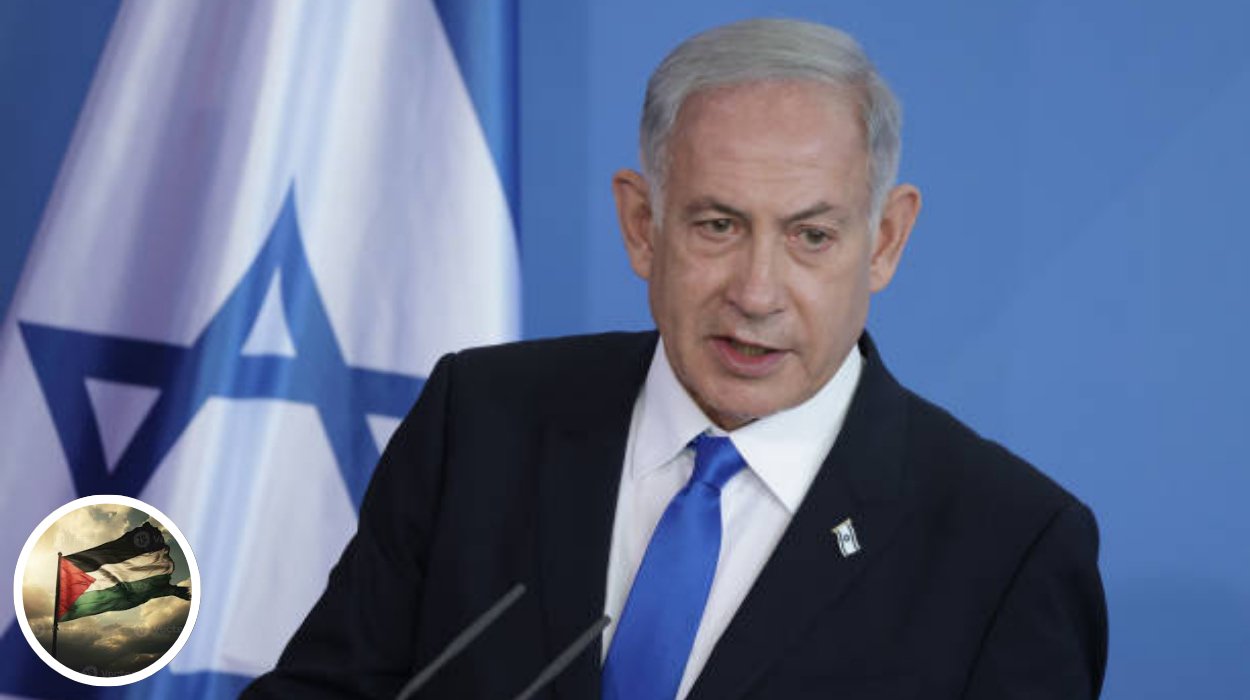
Israeli Prime Minister Benjamin Netanyahu is set to convene a high-level security meeting to discuss the potential expansion of military operations in Gaza amid escalating violence. This meeting will bring together top military commanders, intelligence officials, and key cabinet members to evaluate current threats and consider intensified actions against militant groups operating within the Gaza Strip. The decision follows a recent increase in rocket attacks on Israel cities and retaliatory strikes, highlighting the ongoing volatility of the conflict. While the Israeli government prioritizes its national security, international observers express concerns about the humanitarian impact and regional stability that could result from an expanded conflict. The outcome of this meeting is expected to play a significant role in shaping Israel’s strategic response moving forward.
What is prompting Israel’s Netanyahu to convene this
security meeting?
Israeli Prime Minister Benjamin Netanyahu is convening a
security meeting to deliberate on expanding the Israeli military campaign in
Gaza. The decision comes in response to a rise in violence and ongoing Israeli
efforts to combat militant groups operating within Gaza. As reported by various
news outlets, Netanyahu is focusing on reviewing and potentially intensifying
military strategies to ensure Israel’s national security amid persistent rocket
attacks and militant activities emerging from the Gaza Strip.
This summit is seen as an urgent step by the Israeli
government to coordinate military and intelligence responses better, given the
complexity of the situation on the ground. The government faces pressure both
domestically and internationally to manage the conflict responsibly while
addressing security threats effectively.
Who will be involved in the security meeting and what are
their roles?
According to sources, the security meeting will include
members of Israel’s top security and defense establishments. This group
typically comprises senior military commanders, intelligence chiefs, and key
members of Netanyahu’s cabinet specializing in defense and foreign affairs.
Their role will be to provide assessments, share intelligence, and recommend
operational plans.
The participation of these officials underscores the gravity
of the potential decision to escalate military action in Gaza. They will
evaluate the current security situation, weigh operational options, and discuss
the broader implications including humanitarian concerns and international
responses.
How has the Gaza conflict escalated leading to this
decision?
Tensions between Israel and Gaza-based militant groups have
intensified in recent weeks, with increased rocket fire towards Israeli cities
and retaliatory airstrikes against targets within Gaza. This cycle of violence
has contributed to mounting casualties and destruction, prompting the Israeli
government to consider broadening its military scope.
Netanyahu has publicly navigated a difficult balance between
demonstrating strength and managing conflict fallout. Recent statements from
his office, as noted by journalists covering the region, suggest a policy shift
towards more aggressive tactics aimed at dismantling militant infrastructure
within Gaza. This shift reflects both a response to security imperatives and
political pressures inside Israel.
What are the potential implications of expanding the Gaza
war?
Expanding military operations in Gaza could lead to
significant humanitarian consequences, including increased civilian casualties
and displacement. International agencies and human rights organizations have
expressed concern over the intensification of hostilities and the impact on
Gaza’s civilian population.
On a geopolitical level, an expansion could strain Israel’s
relations with neighboring countries and complicate diplomatic efforts aimed at
achieving a ceasefire or peace dialogue. Regional and global powers are likely
to monitor developments closely, potentially urging restraint to avoid further
destabilization.
Israeli officials involved in the security meeting are
expected to address these concerns as part of their strategic planning,
although the primary focus remains on enhancing Israel’s security posture.
What statements have key figures made regarding the
situation?
Journalists reporting on the story have quoted sources from
Netanyahu’s office indicating a firm stance on defending Israeli territory and
citizens. One source conveyed that Netanyahu “will not hesitate to take
necessary actions to safeguard the nation,” emphasizing the urgency of the
situation.
Military commanders have highlighted the need for
“operational flexibility” to respond effectively to threats emanating from
Gaza. Intelligence officials reportedly presented data underscoring the
increasing sophistication and frequency of attacks against Israel.
International reaction remains mixed, with some governments
urging dialogue and restraint, while others express understanding of Israel’s
security challenges.
This comprehensive update incorporates details from multiple
media reports and statements to provide an accurate and nuanced account of
Israel’s planned security meeting under Netanyahu concerning the Gaza conflict.
The situation continues to evolve rapidly, and the outcomes of the meeting will
be pivotal in shaping the future course of the Israeli-Palestinian tensions.