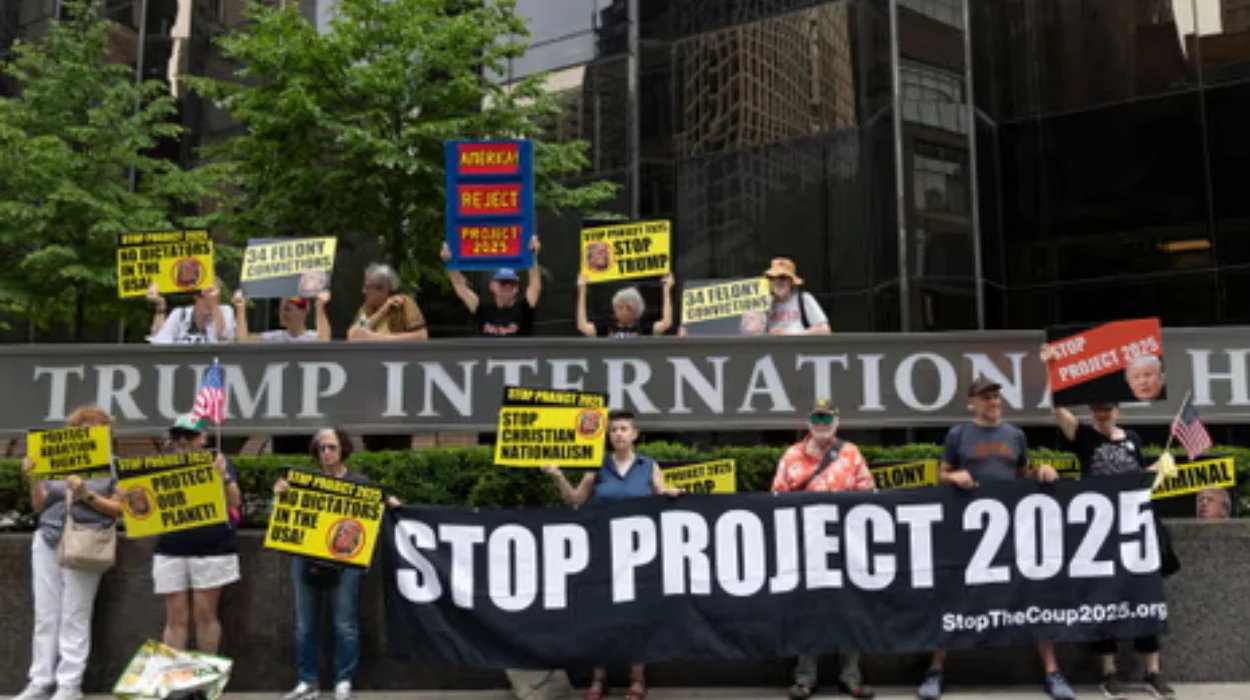

Project 2025 represents a sweeping conservative
agenda designed to transform numerous aspects of federal policy in the UnitedStates, with a particular focus on abortion and family issues. Central to this
initiative are stringent measures aimed at restricting access to abortion and
birth control, withdrawing critical medications like the abortion pill
mifepristone from the market, cutting federal funding for abortion services,
and promoting a biblically based definition of marriage and family through the
Department of Health and Human Services (HHS). This article provides an
in-depth analysis of these policies as outlined in Project 2025, exploring the
scope, mechanisms, and potential implications of the proposed reforms, while
grounding the discussion in verifiable facts and data.
Withdrawal of Mifepristone from the Market and
Restrictions on Abortion Medications
One of the most significant elements of Project
2025 is its focus on drastically limiting the availability and use of medication
abortion, particularly targeting the abortion pill mifepristone. Mifepristone,
often coupled with misoprostol, is used in nearly two-thirds of all abortions
in the United States. It is considered a safe and effective method for
terminating early pregnancies and has gained widespread acceptance among
healthcare providers and patients.
Project 2025 calls for the revocation of the
U.S. Food and Drug Administration’s (FDA) approval of mifepristone, effectively
removing it from the market. This action would reverse decades of regulatory
decisions affirming its safety profile. In addition to the withdrawal, the
project seeks to reinstate medically unnecessary restrictions, such as
requiring in-person dispensing by certain healthcare professionals and
prohibiting telehealth prescriptions of the medication. These restrictions
would particularly impact individuals in rural or restrictive states who
currently rely on remote access to abortion care under protections like shield
laws.
Moreover, the plan references the revival of the
Comstock Act of 1873, a federal anti-obscenity statute, as a tool to
criminalize the mailing and distribution of abortion pills. This could lead to
nationwide bans on the shipment of medication essential to abortion and
potentially all medication abortion products, as well as related equipment and
supplies. The combined effect of these policies would significantly curtail
access to medication abortion, pushing those seeking abortions toward
procedural options, which may increase wait times and strain clinical
resources.
In parallel, Project 2025 aims to restrict
access to other abortion and birth control medications beyond mifepristone.
Emergency contraception and certain forms of birth control are targeted for
bans or increased regulation, limiting reproductive autonomy and access to a
broad range of family planning options.
Restriction of access to abortion and birth
control medications
Project 2025 devises a comprehensive agenda
aimed at restricting access to abortion and birth control medications,
signaling a significant shift in reproductive healthcare policies across the
United States. Beyond focusing on medication abortion itself, the plan employs
broader mechanisms to constrain the availability of various contraception
methods and associated health services, influencing not only medical practice
but also administrative and federal funding frameworks.
Central to Project 2025’s approach is the
imposition of bans or substantial limitations on specific types of
contraception, including emergency contraceptives such as “ella,”
which is often used to prevent pregnancy after unprotected intercourse or
assault. This move marks a deliberate effort to constrict reproductive choices
and autonomy. For example, current Affordable Care Act (ACA) provisions make
many contraceptives, including male condoms and emergency contraception,
available without out-of-pocket cost to users. Project 2025 proposes eliminating
such benefits, reintroducing costs that could create barriers for millions who
rely on these methods, particularly marginalized or low-income populations.
Enforcement of these restrictions is intended
through federal mechanisms that condition the provision of funds on compliance
with the new directives. Project 2025 seeks to withhold federal
funding—including Medicaid and Title X family planning funds—from providers and
states that facilitate access to abortion or comprehensive reproductive care.
Such conditionality extends pressure downstream, incentivizing health service
organizations to align with restrictive policies or face financial penalties.
This funding leverage is significant because many clinics and healthcare
providers, especially those serving underserved communities, depend on federal
funds to sustain operations and offer affordable care.
A notable aspect of the plan is the emphasis on
“conscience protections” for healthcare providers and, notably, their
employees. These protections would legally empower doctors, nurses,
pharmacists, and even non-clinical workers like receptionists or scheduling
staff to refuse to provide, refer, or facilitate abortion or contraception
services based on individual moral or religious objections. This expansive
conception effectively decentralizes access control, meaning that a patient’s
ability to obtain timely reproductive healthcare could be blocked at multiple points
in the service pathway. In practice, this might mean that a patient calling a
clinic could be denied an appointment or referral to abortion or contraceptive
services simply because a staff member objects on conscience grounds,
regardless of medical necessity or professional obligation.
Moreover, the plan promotes enhanced federal
surveillance of reproductive health practices. Project 2025 proposes mandatory
and comprehensive abortion reporting requirements for states, with data
transmitted to federal authorities. The types of information to be collected
include personal data such as the patient’s state of residence, the gestational
age of the pregnancy at termination, the reasons for the abortion, and the
method used. This level of data collection represents a major expansion of
governmental oversight on private reproductive decisions.
Failure by states or providers to comply with
these reporting requirements could trigger punitive measures including the
withdrawal of Medicaid funding for family planning services. Given that
Medicaid programs constitute a primary source of reproductive healthcare access
for many low-income Americans, such penalties could severely curtail the
availability of services beyond abortion, affecting contraception, preventive
care, and counseling. Critics argue that the collection and sharing of
sensitive personal information risks violating patient privacy and
confidentiality, potentially exposing individuals to discrimination,
stigmatization, or even criminal investigations, especially in states with
restrictive abortion laws.
These reporting mandates may also exacerbate
fears among patients and healthcare workers alike, discouraging individuals
from seeking or providing care due to concerns about surveillance, legal repercussions,
or social judgment. The chilling effect on reproductive healthcare access could
ripple far beyond abortion services, diminishing trust between healthcare
providers and patients and undermining public health efforts.
In addition to restricting medications and
increasing surveillance, Project 2025’s policy framework promotes rolling back
federal support and infrastructure that underpin reproductive care. For
instance, it calls for removing coverage for emergency contraception and
limiting insurance requirements for contraceptive care, thereby increasing
costs and logistical barriers for users. The suggested elimination of the
Affordable Care Act’s contraceptive mandates would deter insurance providers
from covering these essential medicines, forcing many to pay out of pocket or
go without.
By combining funding threats, expanded
conscience exemptions, and invasive data collection, Project 2025 seeks to
reshape the landscape of reproductive healthcare into one heavily controlled by
ideological considerations rather than patient-centered medical standards. This
approach could widen disparities in reproductive healthcare access,
disproportionately impacting vulnerable groups such as young people, low-income
individuals, and those living in rural or restrictive states where providers
are already scarce.
The plan’s reliance on federal funding
withdrawal is particularly consequential because many safety-net providers that
deliver reproductive health services also offer vital primary care, cancer
screenings, sexually transmitted infection testing and treatment, and maternal
health services. Cutting off funds to these providers not only restricts
abortion and contraception services but threatens comprehensive health access
that protects overall well-being.
Ultimately, Project 2025 envisions a regulatory
environment where reproductive healthcare decisions face increased obstacles,
including delays, refusals, and intrusive government oversight. This framework
could foster an environment where legal, logistical, and social barriers to
abortion and contraception multiply, undermining the reproductive autonomy and
health outcomes for millions of Americans.
These policies are grounded in a conservative
ideological perspective that frames abortion and certain contraceptive methods
as morally objectionable, seeking to infuse federal health policy with these
values through regulatory and funding mechanisms. The plan’s expansive
definition of “conscience protections” aims to empower individuals
and institutions to exercise these moral objections at nearly all levels of
healthcare delivery, regardless of the impact on patient access or health.
The Project 2025 plan to restrict access to
abortion and birth control medications represents a multidimensional strategy: the
banning or strict regulation of specific contraceptive methods; the use of
federal funding as leverage to compel compliance; the expansion of conscience
exemptions to impede service facilitation by a broad array of healthcare
workers; and the establishment of stringent data reporting and surveillance
measures that jeopardize patient privacy and promote criminalization. If
implemented, these measures would significantly curtail reproductive healthcare
options and autonomy nationwide, affecting millions of people primarily seeking
to control their reproductive lives safely and legally.
Promotion of a biblical definition of marriage
by the department of health and human services
Project 2025 seeks to embed conservative
Christian principles into federal family policy by instructing the Department
of Health and Human Services (HHS) to promote a “biblically based, social
science-reinforced definition of marriage and family.” This policy
framework emphasizes traditional definitions of family structures centered on
heterosexual marriage and childbearing.
Under this approach, federal agencies may shift
policies and funding priorities to reflect this vision, potentially affecting
programs related to marriage counseling, adoption, foster care, and social
services. This move could influence the inclusivity of family support programs
for diverse family configurations, including LGBTQ+ families, single-parent
households, and non-traditional partnerships.
The promotion of this definition aligns with
other Project 2025 initiatives seeking to roll back policy gains around gender
identity and sexual orientation, potentially impacting health care, education,
and civil rights protections related to family and marriage diversity.
Elimination of federal funding for abortion services
A cornerstone of Project 2025’s abortion policy
is the elimination of federal funding dedicated to abortion services. The plan
advocates for the full codification and enforcement of restrictions akin to the
Hyde Amendment, which prohibits the use of federal funds for abortions except in
cases of rape, incest, or life endangerment.
Project 2025 calls for a comprehensive audit of
federal compliance with these funding restrictions, targeting states and
providers that expand abortion access or utilize state Medicaid funds to cover
abortion care. This could include investigations into current Medicaid-managed
care programs operating in states that permit legal abortion, with the intent
to penalize or defund entities perceived as violating these restrictions.
Cutting federal funds for abortion services
under this plan would significantly affect public clinics, hospitals, and
providers that serve low-income populations relying on Medicaid or federal
family planning funds. It may also restrict nonprofit organizations’
programming and advocacy efforts related to reproductive health.
The withdrawal of federal funding would
exacerbate disparities in abortion access by disproportionately affecting
marginalized communities with limited means to pay for services out of pocket.
A conservative framework
Project 2025 outlines a comprehensive
conservative framework that seeks to substantially redefine abortion and family
policy in the United States. By targeting critical components such as
withdrawing mifepristone from the market, restricting access to abortion and
birth control medications, promoting a biblically based definition of marriage
and family through HHS, and eliminating federal funding for abortion services,
the plan aims to reshape reproductive health care and family definitions along
ideological lines.
The policy proposals carry profound implications
for reproductive autonomy, access to safe abortion, healthcare provider
obligations, and the diversity of family structures recognized and supported by
federal programs. These changes would mark a significant reversal of
established protections and access built over decades, raising considerable
legal, ethical, and public health concerns.
While proponents advocate for the plan’s moral
and social vision, critics warn of the potential impacts on vulnerable
populations, including increased health risks and reduced healthcare access.
The implementation of Project 2025’s policies, if realized, would reverberate
widely across the healthcare system, legal frameworks, and society’s
understanding of family and individual rights.