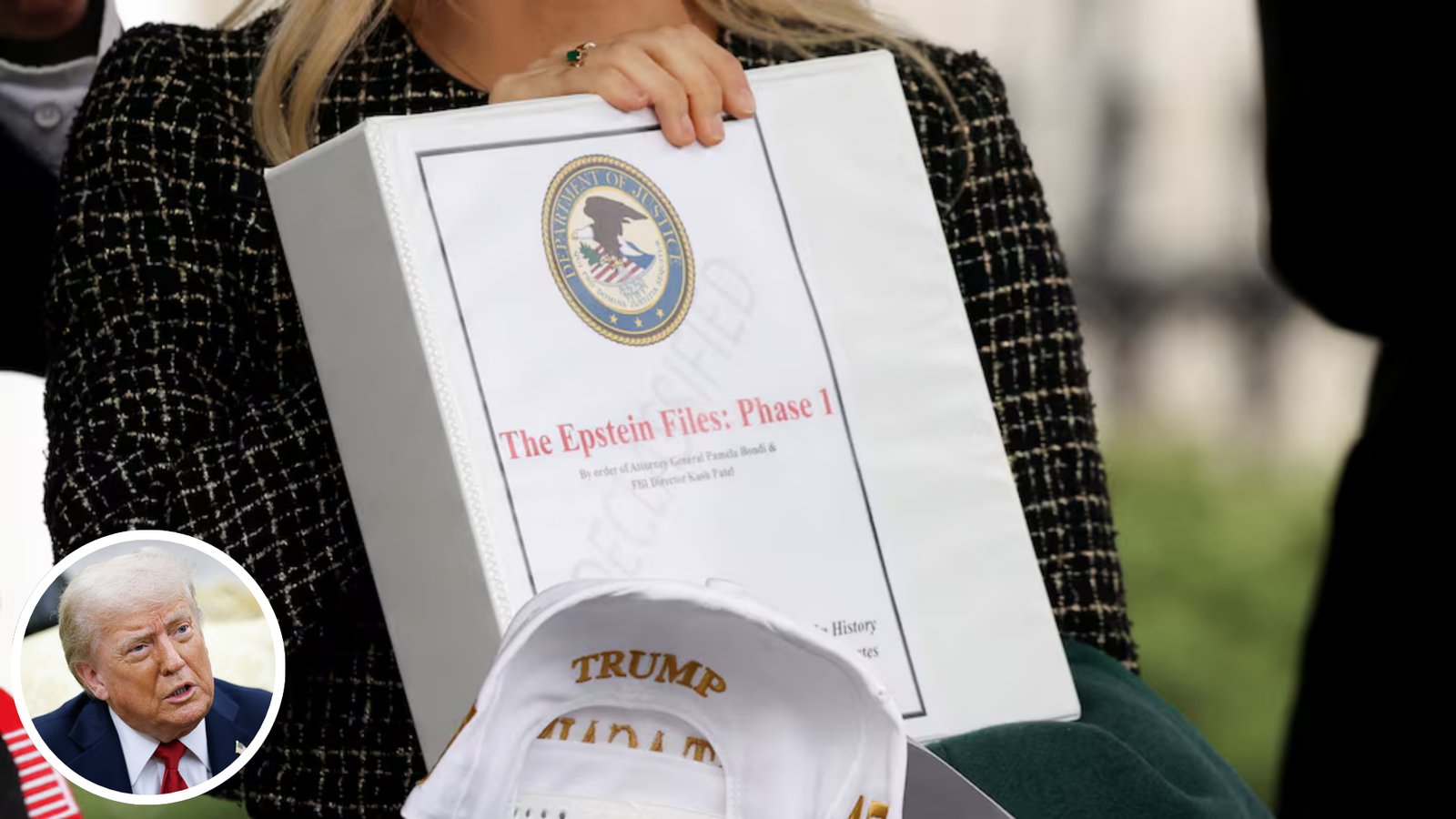

Key Points
- Persistent
furor over Jeffrey Epstein files has put President Donald Trump and the
White House in a defensive position, having to manage conspiracy backlash
within their own base. - The
administration faces mounting frustration from loyal supporters over a
reversal on the release of documents previously promised for transparency. - Trump
and his team are considering options such as unsealing documents,
appointing a special prosecutor, and executive action, according to
multiple reports. - Trump’s
public appeals to end the speculation have backfired, intensifying
discussion rather than calming it, especially among conspiracy-minded
followers. - Social
media outcry has been notable, with Trump’s own Truth Social post
attracting tens of thousands of disappointed reactions. - Critics
claim that years of elevating and promoting conspiracy themes among
Trump’s supporters are now turning against him as the Epstein saga grows. - The
Department of Justice’s recent handling of the Epstein case is also under
fire, with calls for greater candor and investigation coming from both
sides. - Journalists
across top outlets unanimously report that this has become a rare episode
where Trump cannot control the narrative, forcing the administration into
true damage-control mode.
A growing storm over the Jeffrey Epstein files has forced
President Donald Trump and the White House into full-blown damage control, as
support within their base wavers and questions about transparency and
government honesty spiral out of control, according to major US and
international news outlets.
Why Has the Epstein File Fury Backfired on Trump?
As reported by the Economic Times, the uproar over
unreleased files related to Jeffrey Epstein—the financier and convicted sex
offender who died in jail in 2019—has forced Donald Trump into a position of
tamping down conspiracy theories previously stoked for political gain.
NBC News journalist Ben Collins explained that, after years
in which Trump and his allies energized their most fervent supporters with
conspiracy rhetoric, he now faces anger from the same base for calling to move
on from the Epstein issue. Collins noted that,
“instead of quelling the
conversation, Trump’s remarks seem to have intensified it,”
with Google search
data revealing a notable uptick in Epstein-related queries following Trump’s
public comments.
What Triggered the Latest Outrage Over Epstein Files?
As per Economic Times reporting, the immediate trigger was
the Trump administration’s reversal on releasing key documents that some
suggested would name other high-profile individuals associated with Epstein. Previously
interpreted as an assurance for more transparency, this backtracking has left
even Trump’s staunchest supporters demanding answers.
A Reuters Legal social media statement detailed the
persisting furor over files related to accused sex trafficker Jeffrey
Epstein, noting the administration’s unfamiliar role trying to prevent the
spread of conspiracy narratives that it once fueled for political advantage.
How Did Trump and the White House Respond to Supporter
Frustration?
Economic Times White House correspondents reported that the
administration is now weighing a range of options including unsealing new
documents, appointing a special prosecutor, and drafting executive actions on
issues such as pedophilia, citing two White House sources with direct
knowledge of deliberations.
NBC News’s Ben Collins reported that President Trump’s
appeal on Truth Social stated:
“Let’s keep it that way, not waste energy on
Epstein, that nobody knows about.”
This plea was met with significant backlash,
generating over 45,000 responses and a wave of disappointment online—a dramatic
departure from typically steadfast enthusiasm within Trump’s digital base.
What Are Media Outlets and Analysts Saying About the
Fallout?
Pam Bondi, former Florida Attorney General and now a Trump
ally, is referenced by Politico Magazine as having been caught in the
crosshairs of the mounting backlash, with Trump’s surrogates unable to stem the
calls for accountability from their own ranks.
CNN analysis by Nicolle Wallace described the situation as
one where
“Trump very rarely loses control of his own story. But this time, the
Epstein saga is beyond his powers to quell”.
Meanwhile, News.AZ and other outlets stated,
“For years,
Trump and his allies thrived on conspiracy narratives that energized the MAGA
movement. Now, the president is working to quash the very speculation he once
exploited for momentum”.
How Is the Department of Justice Involved?
The Justice Department’s handling of the case has itself
become a lightning rod. Politico Magazine’s legal analysis suggested, the rare
controversy in which there are no innocuous explanations left, highlighting
the bipartisan demand for credible disclosure and action.
AP News has underscored that Trump’s strategy has been to
downplay the uproar over the Epstein case even as his own followers increase
their calls for transparency and inquiry, resulting in a credibility dilemma
for the administration.
What Do Supporters and Critics Say About Trump’s
Damage-Control Efforts?
NBC News’s reporting showed not only dissatisfaction but
also a sense of betrayal among some of Trump’s veteran campaign supporters.
Collins highlighted one user’s viral comment: “This statement breaks my heart,
Mr. President.” Other high-profile Trump allies and right-wing broadcasters
hesitated to back Trump’s efforts to downplay the issue publicly, for fear of
angering their own audiences or attracting suspicion for seeming dismissive of
potential government coverups.
News.AZ attributed a turn in the MAGA (Make America Great
Again) movement’s tone to the fallout from this case, with a notable segment of
the core base expressing skepticism for the first time over the
administration’s willingness to address deep-seated conspiracy concerns.
What Are the Broader Political and Social Implications?
As outlined by The New York Times, Trump’s past willingness
to promote conspiracy narratives—including his early political use of the
“birther” theory about President Obama—has now left him without good avenues
for neutralizing the Epstein controversy. Columnists at CNN and CNBC have
described this as a unique political inflection point, where a strategy that
fueled one movement has created its most volatile crisis.
Can Trump Reassert Control, or Will the Conspiracy Theories
Escalate?
According to reporting across Reuters and CNN, this episode
marks a rare moment of vulnerability for a figure known for controlling public
narrative, and there is little consensus about how or if Trump can restore
trust and unity within his base.
The Reuters Legal social statement summarized:
“The
persisting furor over files related to accused sex trafficker Jeffrey Epstein
has forced President Donald Trump into an unfamiliar role,”
mirroring the
chorus of analysis that sees the present period as a genuine test of political
crisis management for the Trump White House.
What Next Steps Are Under Consideration by the
Administration?
- Unsealing
new documents previously kept confidential—though this risks political
fallout both from release and the details within. - Appointment
of a special prosecutor to independently examine the Epstein files to lend
credibility to any forthcoming conclusions. - Discussion
of possible executive actions related to exploitation and potential
legislative recommendations on associated criminal issues. - Ongoing
monitoring of online communities for developments in conspiracy
discussions and sentiment.
How Are Media and Legal Experts Framing the Long-term
Impact?
CNN, Politico, and Economic Times analyses converge on the
view that this episode could signal a lasting realignment in Trump’s
relationship with his own supporters, as the boundaries of conspiracy-motivated
politics are stress-tested in public. The handling of the Epstein fallout,
rather than closing a chapter, appears set to prolong public curiosity and
scrutiny, and may have ripple effects well into the upcoming election cycle.
The damage-control effort over the Jeffrey Epstein files
is now a central challenge for President Trump and his administration—driven by
his own past embrace of conspiracy politics and the unpredictable response of
his once-reliable base. The world watches as the White House attempts to
balance disclosure, political survival, and the management of public trust on
one of the most inflammatory issues of the past decade.