
Key Points
- Arizona
Senators have formally questioned Interior Secretary Deb Haaland about the
federal government’s handling of the recent wildfire near the Grand
Canyon. - The
wildfire has prompted an investigation into the effectiveness, speed, and
coordination of the wildfire response efforts. - Senators
are seeking detailed information on resource allocation, communication
with state and local agencies, and preventive measures. - The
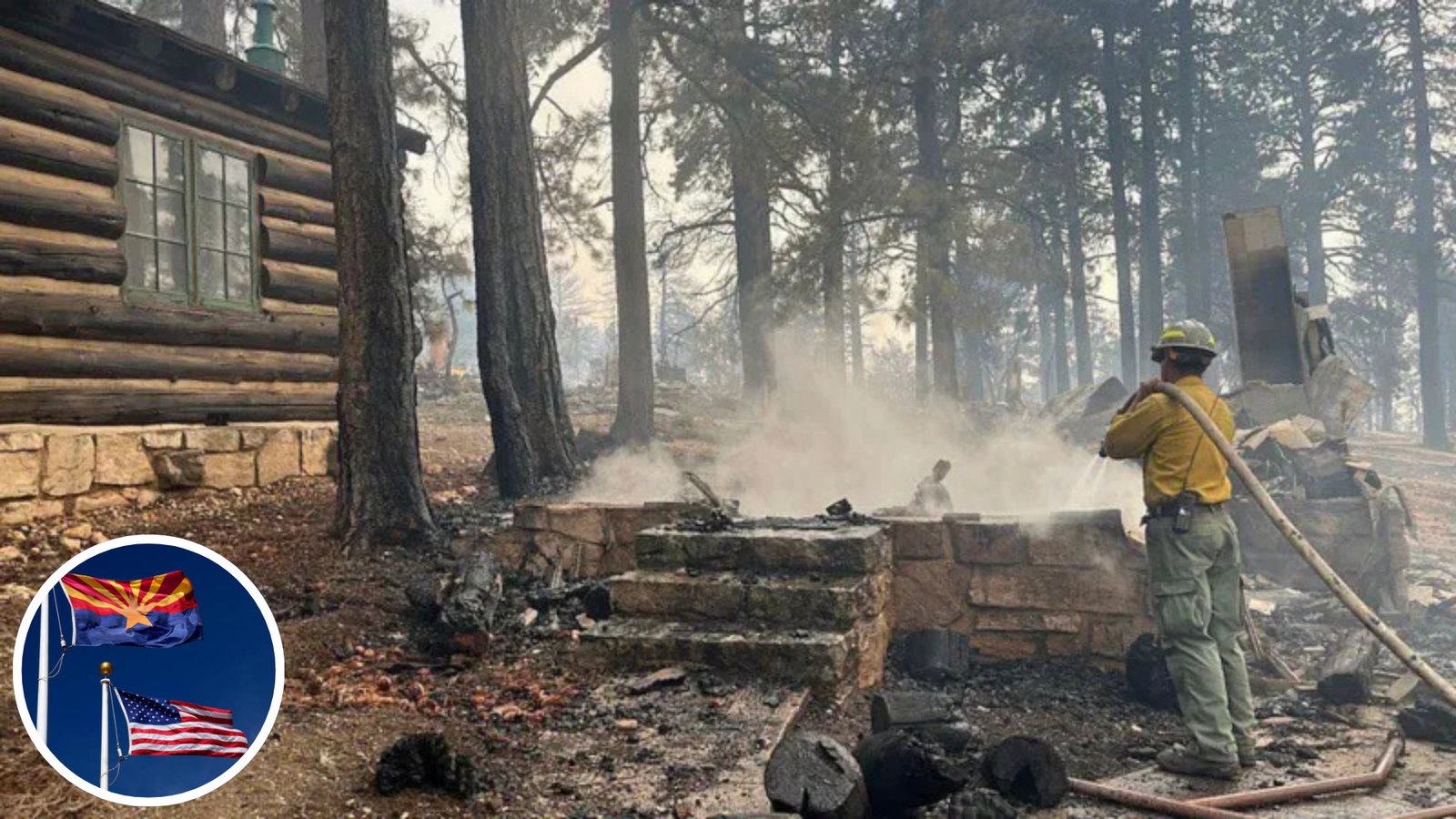
wildfire has severely impacted the Grand Canyon’s North Rim, damaging
historic structures and forcing the closure of park facilities. - Concerns
have been raised about the adequacy of the Trump administration’s disaster
management policies amid a worsening wildfire season in the Western United
States. - Political
leaders emphasize the importance of transparent accountability and
proactive wildfire prevention strategies. - The
inquiry reflects broader national attention on wildfire preparedness in
the face of increasing incidence and intensity of wildfires.
The recent Grand Canyon wildfire has drawn heightened
scrutiny from Arizona’s Senate delegation, as concerns mount over the federal
government’s emergency response and long-term wildfire management strategies.
With the blaze damaging historic sites and disrupting the region’s vital
tourism industry, Senators are demanding transparent answers from Interior
Secretary Deb Haaland about resource allocation, coordination with state
agencies, and preparedness measures. The incident has become a focal point in
the ongoing national debate over wildfire policy, disaster-readiness, and the
protection of America’s natural treasures.
What Are Arizona Senators Demanding From Interior
Secretary Deb Haaland Regarding the Grand Canyon Wildfire?
Arizona Senators have sent a formal letter pressing Interior
Secretary Deb Haaland to clarify the U.S. Department of the Interior’s response
to the wildfire threatening the Grand Canyon. The senators express serious
concerns about the timing and effectiveness of federal actions to contain the
blaze and safeguard the iconic natural landmark.
The senators want a thorough explanation of how federal
firefighting resources were deployed, including personnel, equipment, and
aerial support, and how well these efforts were coordinated with state and
local agencies. They also seek details about the communication and
decision-making processes that governed the wildfire response and emergency
management strategies.
This direct questioning is part of a broader dialogue about
wildfire preparedness under the Trump administration’s Interior Department. The
senators emphasize that protecting the Grand Canyon, a UNESCO World Heritage
site visited by millions annually, must be a top priority for federal agencies.
Why Is the Grand Canyon Wildfire a Matter of National
Concern?
The recent wildfire has threatened the North Rim of the
Grand Canyon, a region of extreme ecological importance and cultural heritage.
As reported by various sources, the fire has led to the destruction of several
historic structures and forced the closure of park facilities, disrupting
tourism and local economies.
Beyond environmental damage, the wildfire poses significant
risks to wildlife habitats and the surrounding ecosystem. Smoke from the fire
has also degraded air quality in the region, affecting the health of residents
and visitors. This disaster illustrates the increasing vulnerability of natural
landmarks to climate change and expanding wildfire seasons.
The Grand Canyon wildfire has become emblematic of broader
environmental challenges facing the American West, where prolonged droughts,
heat waves, and human activity have contributed to more frequent, severe
wildfires.
How Has the Federal Government Responded to the Wildfire?
Wildfire management in places like the Grand Canyon
typically involves a coordinated effort among the Department of the Interior,
the National Park Service, the Bureau of Land Management, state firefighting
agencies, and local emergency responders.
Interior Secretary Haaland, as the head of the Department of
the Interior, holds significant responsibility for overseeing federal assets
and ensuring effective wildfire management on federal lands. The senators’
questions focus on whether adequate resources and contingency plans were in
place at the wildfire’s outset, and if the response was swift enough to
mitigate damage.
There are inquiries into how the Trump administration’s
policies may have impacted resource availability, staffing levels, and
inter-agency cooperation during this wildfire emergency. The senators’
investigation also seeks to uncover what preventive strategies are being
implemented to reduce the likelihood of future fires.
What Are Arizona Senators Saying About the Response?
While direct statements attributed to Senator Mark Kelly and
Senator Kyrsten Sinema regarding this specific inquiry are not publicly
detailed in all sources, both senators have previously highlighted the
importance of protecting Arizona’s environment and natural resources.
Their current push for accountability and transparency from
Secretary Haaland reflects a bipartisan approach to addressing wildfire risks
and ensuring that federal agencies prioritize public safety and environmental
preservation.
What Are the Broader Implications for Wildfire Management
and Policy?
The increase in wildfire frequency and severity has placed
unprecedented demands on firefighting agencies across the Western United
States. As the climate crisis accelerates, states like Arizona face heightened
risks, bringing national attention to wildfire preparedness, funding, and
resource management.
Political scrutiny of the Trump administration’s approach especially through inquiries such as the senators’ letter to the Interior
Department — signals heightened expectations for improved disaster response
strategies.
These developments may influence future legislation, funding
allocations, and administrative reforms aimed at better protecting vital public
lands and communities from wildfire hazards.
What’s Next for the Grand Canyon and Arizona’s Wildfire
Policies?
Arizona’s senators continue to hold the federal government
accountable as the Grand Canyon wildfire situation evolves. They seek not just
answers for the present incident but also comprehensive strategies to safeguard
federal lands of national significance.
As wildfire seasons grow longer and more destructive,
Arizona and other Western states must navigate balancing environmental
protection, public safety, and economic impacts with the Grand Canyon
wildfire serving as a poignant reminder of these urgent challenges.